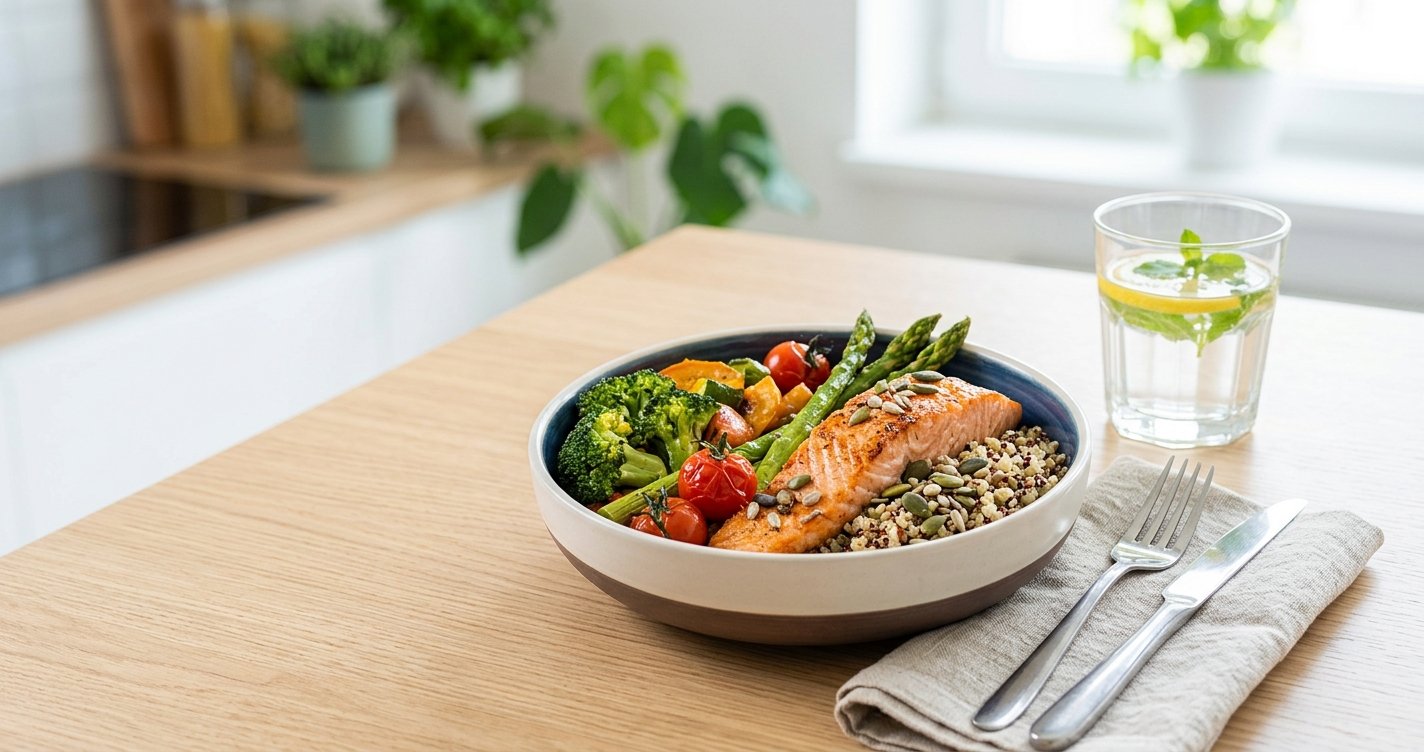
Struggling with fat loss can feel like an uphill battle. You try different diets, cut calories, hit the gym, but often find yourself battling hunger, losing motivation, and sometimes even regaining what you lost. What if there was a powerful, evidence-based strategy that could make your fat loss journey smoother, more satisfying, and truly sustainable? Enter the high-protein diet.
Protein isn't just for bodybuilders; it's a macronutrient powerhouse that plays a critical, often underestimated, role in effective fat loss. It can help you feel fuller for longer, boost your metabolism, and protect your precious muscle mass. In this friendly, evidence-based guide, we'll dive deep into why prioritizing protein is a game-changer for anyone looking to achieve lasting fat loss, along with practical tips to make it a delicious part of your daily routine. this excellent wellness product
Why Protein is Your Fat Loss MVP (Most Valuable Player)
When it comes to shedding fat and maintaining a healthy body, protein stands out for several key reasons. It doesn't just build muscles; it actively supports your body's fat-burning processes in multiple ways.
The Satiety Superstar: Feeling Full, Eating Less
One of the biggest challenges in any fat loss journey is managing hunger. Cravings and constant feelings of emptiness can quickly derail even the most determined efforts. This is where protein truly shines. Protein is renowned for its superior ability to promote satiety – that wonderful feeling of fullness and satisfaction after a meal. Compared to carbohydrates and fats, protein has the most significant impact on satiety hormones like GLP-1 and CCK, while also reducing levels of ghrelin, the 'hunger hormone'.
Imagine eating a meal and feeling genuinely satisfied, without the urge to graze an hour later. That's the protein advantage. By keeping you fuller for longer, protein naturally helps you reduce your overall calorie intake without feeling deprived. This makes adhering to a calorie deficit – the fundamental principle of fat loss – much easier and more enjoyable, transforming your relationship with food from a constant battle into a more harmonious one.
Metabolic Booster: The Thermic Effect of Food (TEF)
Did you know that your body burns calories just by digesting food? This is known as the Thermic Effect of Food (TEF), or diet-induced thermogenesis. And guess which macronutrient has the highest TEF? You guessed it – protein!
Protein requires significantly more energy to digest, absorb, and metabolize than fats or carbohydrates. Approximately 20-30% of the calories from protein are expended during this process, compared to 5-10% for carbs and a mere 0-3% for fats. This means that if you eat 100 calories of protein, your body might only net 70-80 calories because it used the rest just to process it. While not a massive increase, this 'metabolic boost' adds up over time, contributing to a higher daily calorie expenditure and making your fat loss efforts more efficient. It’s like getting a mini-workout just by eating!
Muscle Protector: Preserving Lean Mass During Weight Loss
When you're in a calorie deficit, your body doesn't just burn fat; it can also break down muscle tissue for energy. Losing muscle is detrimental because muscle is metabolically active – it burns more calories at rest than fat does. If you lose muscle along with fat, your resting metabolism can slow down, making it harder to maintain your weight loss in the long run.
A high-protein intake is crucial for preserving lean muscle mass during fat loss. Protein provides the amino acids your body needs to repair and build muscle tissue. By consuming adequate protein, especially in conjunction with strength training, you signal to your body to hold onto muscle while primarily burning fat for fuel. This ensures that the weight you lose is predominantly fat, helping you achieve a leaner, more toned physique and a more robust metabolism for sustainable results.
How Much Protein Do You Really Need for Fat Loss?
So, what does 'high protein' actually mean? While general dietary guidelines often suggest around 0.8 grams of protein per kilogram of body weight, for fat loss, research suggests a higher intake is more beneficial. A good target range for most individuals aiming for fat loss is typically 1.6 to 2.2 grams of protein per kilogram (or 0.7 to 1 gram per pound) of your target body weight.
For example, if your target body weight is 70 kg (about 154 lbs), you'd aim for roughly 112-154 grams of protein per day. Spreading this intake evenly across your meals and snacks throughout the day is generally more effective for muscle protein synthesis and satiety than consuming it all in one sitting.
Making Protein Palatable: Practical Tips for Boosting Your Intake
Incorporating more protein into your diet doesn't have to be bland or complicated. Here are some simple, delicious ways to ensure you're hitting your targets:
- Start Strong with Breakfast: Ditch the sugary cereals. Opt for Greek yogurt, eggs (scrambled, boiled, or an omelet), cottage cheese, or a protein smoothie made with protein powder, fruit, and spinach.
- Lean Protein at Every Meal: Include a palm-sized portion of lean protein with lunch and dinner. Think chicken breast, turkey, lean beef, fish (salmon, tuna, cod), tofu, tempeh, or lentils.
- Smart Snacking: Instead of chips or cookies, grab a handful of almonds, a hard-boiled egg, a small tub of cottage cheese, a protein bar (check sugar content!), or a serving of edamame.
- Legumes and Grains: Incorporate more beans, lentils, chickpeas, and quinoa into your meals. They are excellent plant-based protein sources that also provide fiber.
- Dairy Delights: Milk, cheese, and especially Greek yogurt are fantastic sources of protein. Opt for lower-fat versions if watching calories.
- Strategic Supplementation: While whole foods should be your primary source, protein powder (whey, casein, soy, pea, or rice protein) can be a convenient and effective way to boost your intake, especially post-workout or when you’re on the go.
Beyond Protein: A Holistic Approach to Sustainable Fat Loss
While protein is a powerful ally, remember that it's one piece of the puzzle. For truly sustainable fat loss, consider these complementary factors:
- Strength Training: Lifting weights is crucial for building and maintaining muscle mass, which works synergistically with protein intake to boost metabolism and improve body composition.
- Calorie Deficit: Regardless of your macronutrient split, you still need to consume fewer calories than you burn to lose fat. Protein helps make this deficit more manageable.
- Hydration: Drinking plenty of water supports overall metabolic function and can also help with satiety.
- Sleep: Adequate sleep (7-9 hours) is vital for hormone regulation, including those that impact hunger and metabolism. Poor sleep can sabotage even the best diet plans.
- Stress Management: Chronic stress can lead to increased cortisol levels, which can promote fat storage, especially around the midsection. Find healthy ways to manage stress.
- Fiber-Rich Foods: Pairing protein with fiber-rich fruits, vegetables, and whole grains enhances satiety and supports digestive health.
Common Myths and Misconceptions About Protein
Let's quickly debunk a couple of common myths that might make you hesitant about increasing your protein intake:
- “Too much protein damages kidneys”: For healthy individuals with no pre-existing kidney conditions, there is extensive research showing that high protein intakes (even well above typical recommendations) do not harm kidney function. Always consult a doctor if you have kidney issues.
- “Protein will make me bulky”: Unless you're specifically training and eating in a way to maximize muscle gain (which is a very specific and challenging process), simply eating more protein won't make you 'bulky'. It will help you preserve muscle while losing fat, leading to a leaner, more toned look.
Embrace the Protein Advantage for Lasting Results
Embarking on a fat loss journey can be challenging, but it doesn't have to be a constant struggle against hunger and dwindling energy. By strategically increasing your protein intake, you're not just following a diet; you're adopting a sustainable, evidence-based strategy that supports your body in multiple ways.
You'll feel fuller, burn more calories, protect your muscle, and set yourself up for long-term success. So, why wait? Start fueling your fat loss with the incredible power of protein today, and discover a path to a healthier, leaner, and more vibrant you. Your body (and your appetite) will thank you!