Tired of the Fat Loss Rollercoaster? It's Time for a Sustainable Approach!
You’ve tried the restrictive diets, the grueling workouts, and the quick fixes that promise overnight results. If you’re like many, these efforts often lead to frustration, rebound weight gain, and a feeling of defeat. Sound familiar? It’s not your fault. The world of fat loss is often cluttered with misinformation and unsustainable strategies.
But what if there was a simpler, more effective way to approach fat loss – one that focused on nourishment, satiety, and long-term health rather than deprivation? Good news: there is! And it centers around two powerhouse nutrients that are often overlooked in the quest for a leaner body: protein and fiber. this excellent wellness product
In this guide, we’re going to dive deep into how these two dietary champions can revolutionize your fat loss journey, making it more manageable, enjoyable, and most importantly, sustainable. Forget the fads; let’s embrace evidence-based strategies that truly work!
Beyond "Eat Less, Move More": Why Food Quality Truly Matters
Yes, achieving a calorie deficit (consuming fewer calories than you burn) is fundamental for fat loss. However, simply eating less isn't the whole story. The *quality* of the calories you consume plays a monumental role in how your body responds, how full you feel, and how well your metabolism functions. Eating 1500 calories of highly processed, sugary foods is a vastly different experience for your body than 1500 calories of whole, nutrient-dense foods.
This is where protein and fiber step in. They don't just fill you up; they actively support your body's fat-burning machinery, stabilize your energy levels, and keep those pesky hunger pangs at bay. Let's explore how.
Protein: Your #1 Ally in Sustainable Fat Loss
If there's one nutrient you should prioritize for fat loss, it's protein. It’s not just for bodybuilders; it’s essential for everyone seeking a healthier, leaner physique.
The Satiety Superstar: Keeps You Fuller, Longer
Reduced Hunger: Protein is renowned for its ability to promote satiety – that feeling of fullness and satisfaction after a meal. It signals to your brain that you've had enough, helping to naturally reduce your overall calorie intake throughout the day. Studies consistently show that higher protein diets lead to greater fullness and reduced desire to eat.
Curbing Cravings: By keeping you satisfied, protein helps to stabilize blood sugar levels, preventing the dramatic spikes and crashes that often lead to intense sugar cravings and overeating.
Muscle Maintenance & Metabolism Boost: Burn More, Even at Rest
Preserving Lean Muscle: When you're in a calorie deficit, your body can sometimes break down muscle tissue for energy, not just fat. This is detrimental because muscle is metabolically active – it burns more calories at rest than fat does. Adequate protein intake is crucial for preserving your precious muscle mass, ensuring that a higher percentage of your weight loss comes from fat.
Thermic Effect of Food (TEF): Protein has a higher thermic effect than carbs or fats. This means your body expends more energy (calories) digesting and metabolizing protein. While it won't magically melt fat, this metabolic boost adds up over time, contributing to your overall calorie deficit.
How Much Protein Do You Really Need?
For fat loss, general recommendations often range from 1.6 to 2.2 grams of protein per kilogram of body weight (or 0.7 to 1 gram per pound). For example, a person weighing 70 kg (about 154 lbs) might aim for 112-154 grams of protein daily. Spreading this intake across multiple meals (e.g., 20-40 grams per meal) is ideal for muscle protein synthesis and satiety.
Best Protein Sources:
- Lean Meats (chicken breast, turkey, lean beef)
- Fish (salmon, tuna, cod)
- Eggs
- Dairy (Greek yogurt, cottage cheese, milk)
- Legumes (lentils, beans, chickpeas)
- Tofu and Tempeh
- Protein Supplements (whey, casein, plant-based powders)
Fiber: The Unsung Hero of a Leaner, Healthier You
Often overshadowed, dietary fiber is a nutritional powerhouse that plays a critical, yet often underestimated, role in effective fat loss and overall health.
The Fullness Factor (Again!): Volume Without the Calories
Adds Bulk: Fiber, particularly soluble fiber, absorbs water and forms a gel-like substance in your digestive tract. This adds volume to your meals without adding significant calories, helping you feel full and satisfied. Insoluble fiber adds bulk to stool, promoting regularity.
Slows Digestion: Fiber slows down the rate at which food leaves your stomach. This prolonged digestion contributes to sustained fullness, preventing you from reaching for snacks too soon after a meal.
Gut Health & Fat Loss: A Powerful Connection
Healthy Microbiome: Fiber acts as a prebiotic, feeding the beneficial bacteria in your gut. A healthy gut microbiome is increasingly linked to better metabolism, reduced inflammation, and even improved mood – all factors that can indirectly support fat loss.
Reduced Fat Absorption: Some types of fiber can bind with fats and sugars, reducing their absorption and helping to excrete them from the body.
Blood Sugar Stabilization: Preventing Energy Crashes and Fat Storage
Fiber helps to slow the absorption of sugar into your bloodstream. This prevents rapid spikes in blood glucose and subsequent insulin surges, which can otherwise signal your body to store more fat. Stable blood sugar means more stable energy levels and fewer cravings.
How Much Fiber Should You Aim For?
Most adults should aim for 25-38 grams of fiber per day, but many fall short. Gradually increasing your fiber intake is key to avoid digestive discomfort.
Top Fiber-Rich Foods:
- Vegetables (broccoli, spinach, carrots, Brussels sprouts)
- Fruits (berries, apples, pears, oranges)
- Whole Grains (oats, quinoa, brown rice, whole wheat bread)
- Legumes (beans, lentils, chickpeas)
- Nuts and Seeds (chia seeds, flax seeds, almonds)
The Synergistic Power: Protein & Fiber Working Together
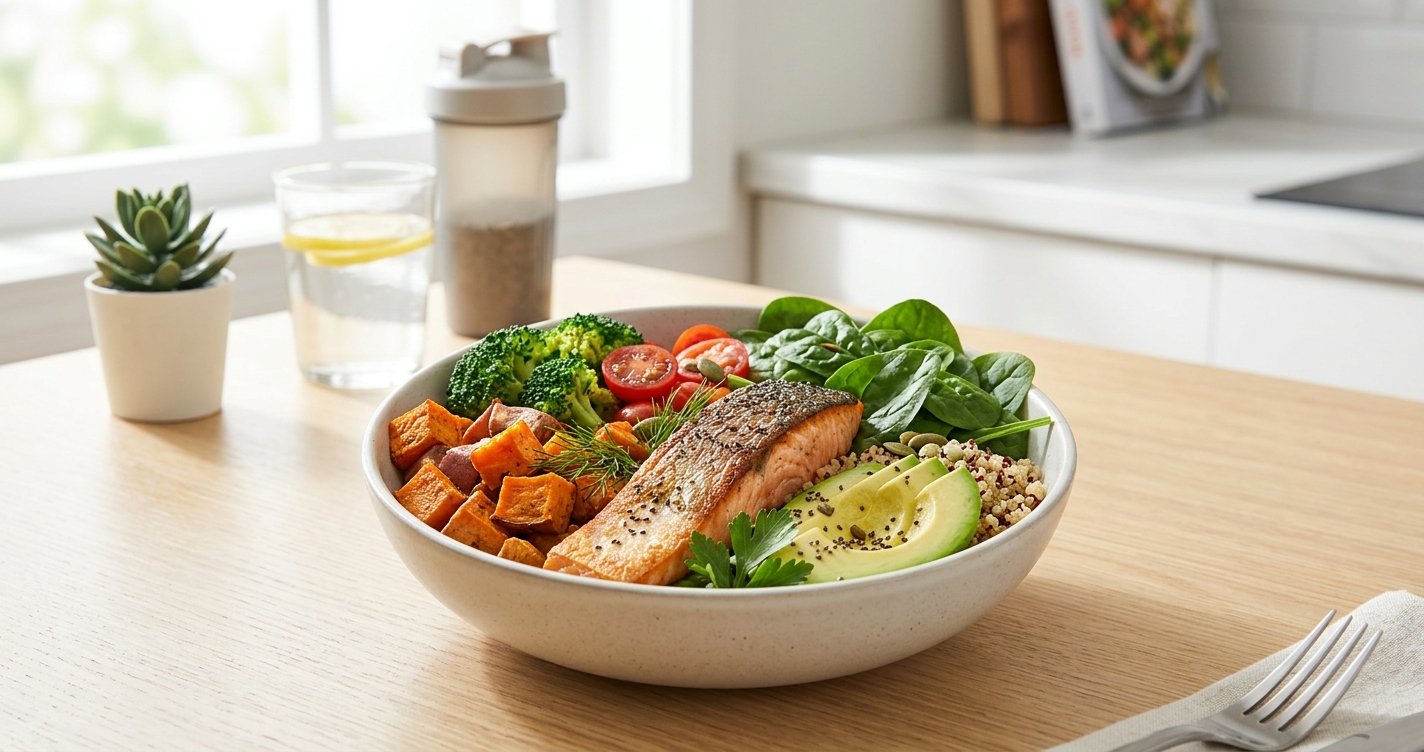
While powerful on their own, protein and fiber are even more effective when combined. Imagine a meal that includes a lean protein source like grilled chicken breast, paired with a generous serving of roasted vegetables and a side of quinoa. This combination is a triple threat:
- Maximum Satiety: The protein signals fullness, and the fiber adds bulk, creating an unbeatable feeling of satisfaction that lasts for hours.
- Stable Energy: Both nutrients help to regulate blood sugar, providing a steady release of energy and preventing the dreaded afternoon slump.
- Metabolic Support: You're feeding your muscles, supporting gut health, and getting a metabolic boost from digestion – all contributing to a more efficient fat-burning environment.
Practical Tips for Integrating More Protein & Fiber into Your Diet
Ready to put these insights into action? Here are some simple, actionable strategies to boost your intake of protein and fiber without feeling overwhelmed:
Prioritize Protein at Every Meal: Aim for a palm-sized portion of lean protein at breakfast, lunch, and dinner. Don't skip breakfast protein – it sets the tone for satiety for the rest of the day.
Fill Half Your Plate with Veggies: At lunch and dinner, make sure at least half of your plate is colorful, non-starchy vegetables. They are packed with fiber and nutrients for minimal calories.
Smart Snacking: Swap empty-calorie snacks for protein- and fiber-rich options. Think Greek yogurt with berries, a handful of almonds, apple slices with peanut butter, or vegetable sticks with hummus.
Embrace Legumes: Add beans, lentils, or chickpeas to soups, salads, stews, or even as a meat substitute in dishes like tacos.
Choose Whole Grains Over Refined: Opt for oats, quinoa, brown rice, and whole-wheat bread instead of their refined counterparts. They offer significantly more fiber and nutrients.
Don't Forget Seeds: Chia seeds and flax seeds are fiber powerhouses. Sprinkle them on yogurt, oatmeal, or blend them into smoothies.
Stay Hydrated: When increasing fiber, it’s crucial to drink plenty of water to help it move smoothly through your digestive system and prevent discomfort.
Meal Prep for Success: Dedicate some time to preparing protein sources (e.g., cooking a batch of chicken breast) and chopping vegetables for the week. This makes healthy eating effortless.
Your Sustainable Fat Loss Journey Starts Now!
Fat loss doesn't have to be a battle of willpower against hunger. By focusing on the strategic inclusion of protein and fiber, you can transform your approach to eating, making it more satisfying, more nourishing, and ultimately, more successful.
Remember, consistency is key. Start small, make gradual changes, and listen to your body. Embrace these two incredible nutrients, and you'll not only see changes on the scale but also experience improved energy, better digestion, and a stronger, healthier you. Here's to a sustainable, enjoyable journey towards your fat loss goals!