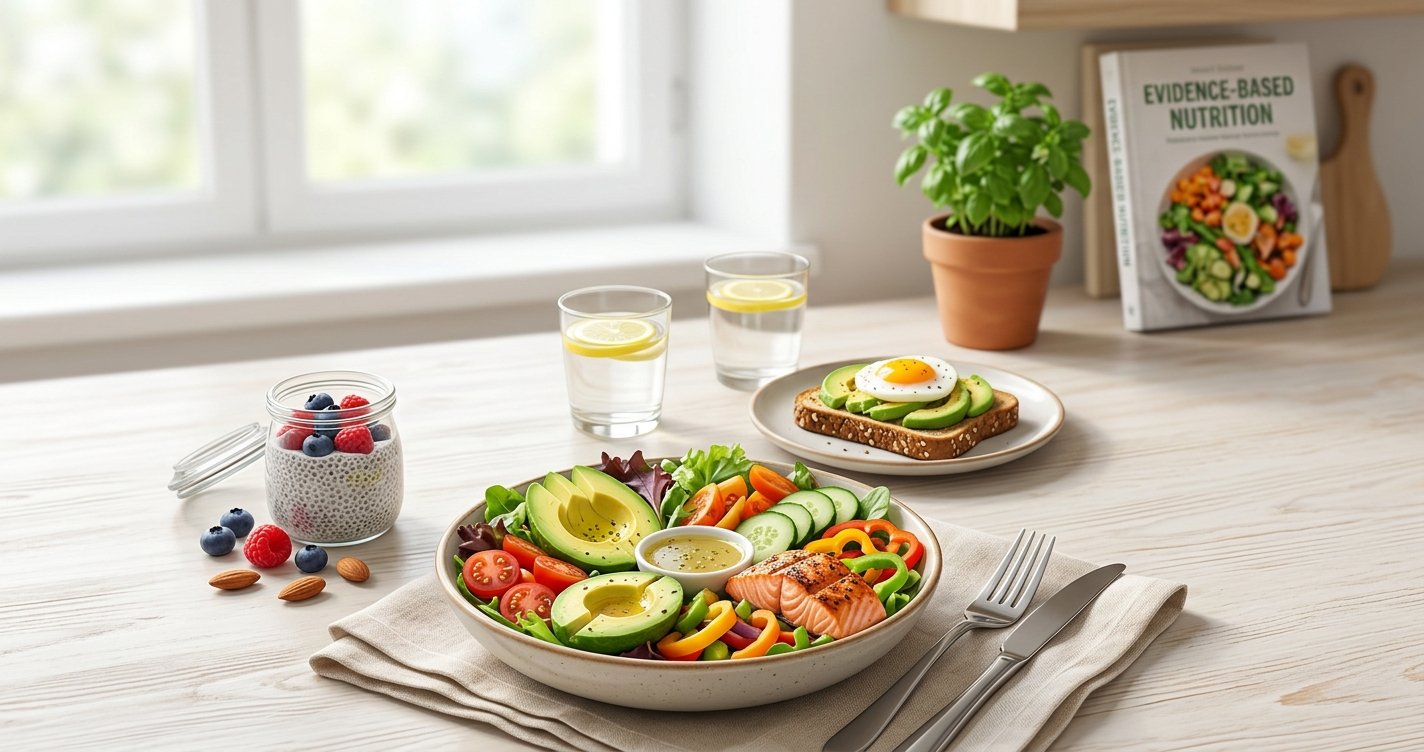
Let's be honest: the world of fat loss can feel overwhelming, riddled with quick fixes, restrictive diets, and confusing advice. You’ve probably tried a few (or many!) of them, only to find yourself back where you started, perhaps even more frustrated. Sound familiar? You’re not alone.
But what if we told you there’s a better way? A path to lasting fat loss that doesn’t involve deprivation, endless hunger, or cutting out entire food groups. The secret lies in embracing sustainable nutrition strategies – an evidence-based approach focused on nourishing your body, building healthy habits, and enjoying food without guilt. This isn't just about losing weight; it's about transforming your relationship with food for long-term health and vitality. Ready to ditch the diet roller coaster and embrace a journey that truly works? Let’s dive in! this excellent wellness product
Why Sustainable Nutrition is Your Fat Loss Secret Weapon
Many popular diets promise rapid fat loss by severely restricting calories or eliminating specific macronutrients (like carbs or fats). While these methods might yield initial results, they often lead to a phenomenon known as the 'yo-yo effect.' As soon as you return to your regular eating patterns, the weight creeps back on, sometimes even more than before. Why?
- It’s not sustainable: Extreme restrictions are mentally and physically exhausting. They can lead to nutrient deficiencies, cravings, and a poor relationship with food.
- Metabolic adaptation: Prolonged, severe calorie restriction can slow down your metabolism, making it harder to lose fat in the long run.
- Psychological toll: Constant deprivation can lead to feelings of failure, guilt, and increased stress, often triggering emotional eating.
Sustainable nutrition, on the other hand, focuses on creating habits you can maintain for life. It's about making smart, informed choices that fuel your body, satisfy your hunger, and support your overall well-being, paving the way for gradual, consistent, and lasting fat loss.
The Foundation: Understanding Your Energy Balance (Calorie Deficit)
At its core, fat loss boils down to one fundamental principle: you must consume fewer calories than your body burns. This is known as creating a calorie deficit. Think of your body as a car: if you put in less fuel than you use, you’ll eventually run out. For your body, when you run out of immediate fuel, it taps into stored energy – your fat reserves.
However, the key is to create a *modest* deficit, not a drastic one. A healthy, sustainable calorie deficit typically ranges from 250 to 500 calories per day. This allows for consistent fat loss (roughly 0.5 to 1 pound per week) without triggering extreme hunger, muscle loss, or metabolic slowdown. You can calculate your approximate daily calorie needs (Total Daily Energy Expenditure, or TDEE) using online calculators, then subtract your desired deficit.
Macronutrient Mastery: Fueling Your Body for Fat Loss
While total calories are paramount, the *composition* of those calories – your macronutrients (protein, carbohydrates, and fats) – plays a crucial role in satiety, energy levels, and preserving muscle mass during fat loss.
Protein: Your Powerhouse for Satiety and Muscle Preservation
Protein is your best friend when it comes to fat loss, and here's why:
- High Satiety: Protein keeps you feeling fuller for longer, reducing the likelihood of overeating.
- Thermic Effect of Food (TEF): Your body expends more energy digesting protein compared to carbs or fats, meaning you burn a few extra calories just by eating it!
- Muscle Preservation: When you're in a calorie deficit, there's a risk of losing muscle alongside fat. Adequate protein intake helps preserve precious muscle mass, which is vital for maintaining a healthy metabolism.
Aim for roughly 1.6 to 2.2 grams of protein per kilogram of body weight per day, spread across your meals. Excellent sources include:
- Lean meats (chicken breast, turkey, lean beef)
- Fish and seafood (salmon, cod, tuna, shrimp)
- Eggs
- Dairy (Greek yogurt, cottage cheese, milk)
- Legumes (lentils, beans, chickpeas)
- Tofu and tempeh
Carbohydrates: Smart Choices for Energy and Fiber
Carbohydrates often get a bad rap in the fat loss world, but they are essential for energy, brain function, and overall health. The key is to choose the *right* kind of carbohydrates.
- Complex Carbs & Fiber: Focus on whole, unprocessed carbohydrate sources rich in fiber. Fiber promotes satiety, aids digestion, and helps regulate blood sugar levels, preventing energy crashes and cravings.
- Energy Source: Carbs are your body's preferred energy source, fueling your workouts and daily activities.
Prioritize these smart carb choices:
- Whole grains (oats, quinoa, brown rice, whole-wheat bread)
- Fruits (berries, apples, bananas)
- Vegetables (leafy greens, broccoli, sweet potatoes, bell peppers)
- Legumes
Limit refined sugars and highly processed carbohydrates found in sugary drinks, pastries, and white bread, as these offer little nutritional value and can contribute to energy spikes and crashes.
Fats: Essential for Hormones and Nutrient Absorption
Healthy fats are crucial for hormone production, nutrient absorption (especially fat-soluble vitamins A, D, E, K), and even satiety. While fats are calorie-dense (9 calories per gram compared to 4 for protein and carbs), incorporating healthy fats in moderation is vital for overall health and well-being.
Opt for unsaturated fats and omega-3 fatty acids:
- Avocado
- Nuts (almonds, walnuts, cashews) and seeds (chia, flax, hemp)
- Olive oil, avocado oil
- Fatty fish (salmon, mackerel, sardines)
The Power of Whole Foods: Eating Your Way to Health and Fat Loss
One of the simplest yet most profound shifts you can make for sustainable fat loss is to prioritize whole, unprocessed foods. Think about it: a piece of fruit versus a fruit-flavored candy bar. The fruit is packed with vitamins, minerals, and fiber, offering sustained energy and satiety. The candy bar is often loaded with added sugars, unhealthy fats, and artificial ingredients, providing empty calories and leading to a quick energy crash.
Whole foods are:
- Nutrient-dense: They provide a wealth of vitamins, minerals, and antioxidants essential for bodily functions.
- Fiber-rich: Naturally higher in fiber, promoting fullness and digestive health.
- Naturally lower in unhealthy additives: They typically contain less added sugar, unhealthy fats, and sodium found in processed foods.
Making whole foods the cornerstone of your diet naturally reduces your calorie intake while boosting your nutrient intake, making fat loss feel less like a struggle and more like a natural outcome of nourishing your body.
Practical Strategies for Sustainable Eating Habits
Knowing what to eat is one thing; putting it into practice consistently is another. Here are some actionable strategies to integrate sustainable nutrition into your daily life:
Mindful Eating: Savoring Every Bite
Mindful eating is about paying attention to your food, your body's hunger and fullness cues, and the experience of eating. It helps you eat more slowly, enjoy your food more, and recognize when you're truly satisfied, preventing overeating.
- Eat without distractions (no phone, TV).
- Chew slowly and thoroughly.
- Pay attention to the taste, texture, and smell of your food.
- Pause periodically and check in with your hunger levels.
Meal Planning and Preparation: Your Secret Weapon
Failing to plan is planning to fail, especially with nutrition. Spending a little time planning and prepping your meals can dramatically improve your consistency and adherence to your fat loss goals.
- Plan your meals: Decide what you'll eat for the week.
- Grocery shop strategically: Buy only what you need for your planned meals.
- Batch cook: Prepare larger portions of healthy staples like grilled chicken, roasted vegetables, or whole grains to use throughout the week.
- Pack your lunch: Avoid last-minute, unhealthy takeout choices.
Hydration: Often Overlooked, Always Important
Drinking enough water is a simple yet powerful tool for fat loss and overall health. Water helps with metabolism, can reduce appetite (sometimes we mistake thirst for hunger), and helps your body function optimally.
- Aim for 8-10 glasses of water per day.
- Keep a water bottle handy.
- Drink a glass of water before each meal.
Portion Control: It's Not About Deprivation
Understanding appropriate portion sizes is crucial for managing your calorie intake without feeling deprived. You don't necessarily need to weigh every gram of food, especially not long-term. Learn to use visual cues:
- A palm-sized portion of protein.
- A cupped hand for carbohydrates.
- A thumb-sized portion for fats.
These are general guidelines that can help you eyeball portions more accurately.
Beyond the Plate: Lifestyle Factors Supporting Fat Loss
While nutrition is the cornerstone, remember that fat loss is a holistic journey. Other lifestyle factors synergistically support your efforts:
- Adequate Sleep: Poor sleep can disrupt hunger hormones (ghrelin and leptin), leading to increased cravings and appetite. Aim for 7-9 hours per night.
- Stress Management: Chronic stress can elevate cortisol levels, which can promote fat storage, especially around the midsection. Find healthy ways to manage stress, such as meditation, yoga, or spending time in nature.
- Regular Physical Activity: While not covered in depth here, incorporating strength training and cardiovascular exercise significantly boosts calorie expenditure, builds muscle, and improves overall health, accelerating your fat loss journey.
Conclusion: Your Journey to Lasting Fat Loss Starts Now
Achieving sustainable fat loss isn't about chasing the latest fad diet; it's about making informed, consistent choices that nourish your body and support your long-term health. By focusing on a modest calorie deficit, prioritizing protein, smart carbohydrates, and healthy fats, and building habits around whole foods and mindful eating, you're setting yourself up for success.
Remember, this is a journey, not a race. There will be good days and challenging days. Be patient with yourself, celebrate every small victory, and focus on progress, not perfection. You have the power to transform your body and your health, one sustainable, nutritious choice at a time. You've got this!