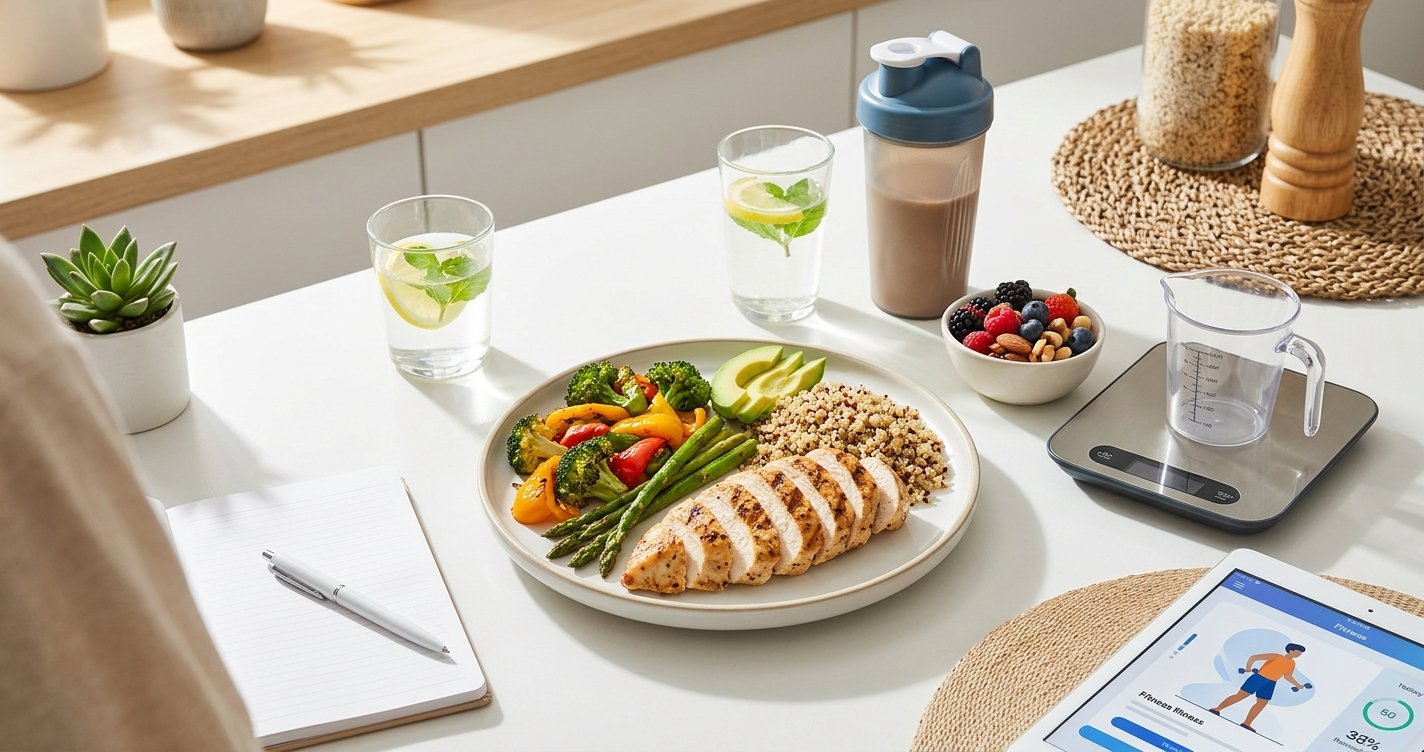
Are you tired of the yo-yo diet cycle, the endless stream of quick fixes, and the frustration of fat loss efforts that just don't stick? You're not alone. Many people get caught in the trap of extreme diets or unsustainable workout routines, only to regain the weight (and often more) shortly after. But what if there was a simpler, more sustainable path to achieving and maintaining your fat loss goals?
The good news is, there is! It's not about magic pills or deprivation; it's about understanding two fundamental, evidence-based principles: creating a calorie deficit and prioritizing protein. These two pillars, when applied consistently and intelligently, form the bedrock of sustainable fat loss. Ready to ditch the frustration and embrace a strategy that truly works? Let’s dive in! this excellent wellness product
Why "Quick Fixes" Don't Last (And What Does!)
Before we explore the solutions, let's briefly touch on why many popular diets fail in the long run. Most "quick fix" approaches rely on drastic calorie restriction, elimination of entire food groups, or unsustainable rules. While these might yield rapid initial weight loss, they often lead to:
- Nutrient Deficiencies: Restricting foods can mean missing out on vital vitamins and minerals.
- Muscle Loss: Without adequate protein and proper training, rapid weight loss often includes a significant amount of metabolically active muscle.
- Metabolic Adaptation: Your body can adapt to very low calorie intake, making further fat loss harder.
- Unsustainability: Extreme diets are hard to stick to, leading to burnout and rebound weight gain.
- Poor Relationship with Food: Fostering guilt and anxiety around eating rather than a healthy, balanced approach.
Our goal isn't just to lose weight; it's to lose fat in a way that is healthy, enjoyable, and sustainable. This is where the power of a calorie deficit combined with strategic protein intake shines.
The Cornerstone of Fat Loss: Understanding the Calorie Deficit
At its core, fat loss boils down to a simple energy balance equation: you must consume fewer calories than your body burns. This state is known as a calorie deficit. Think of your body as a car. If you put less fuel in than it uses, it will eventually tap into its reserves – in our case, stored body fat – for energy.
What is a Calorie Deficit, Really?
A calorie deficit means that the energy (calories) you get from food and drink is less than the energy your body expends through its basal metabolic rate (BMR – the calories burned at rest), daily activities, and exercise. When this happens consistently, your body is forced to use its stored fat for energy, leading to fat loss.
How to Calculate Your Starting Point
While precise calculations can be complex, you can get a good estimate. First, determine your Total Daily Energy Expenditure (TDEE), which is the total number of calories your body burns in a day. Online TDEE calculators are widely available and take into account your age, sex, weight, height, and activity level.
Once you have your TDEE, aim to create a moderate deficit. A common recommendation for sustainable fat loss is to reduce your daily intake by 300-500 calories below your TDEE. This typically results in a healthy fat loss of 1-2 pounds per week, which is generally considered safe and sustainable.
The Goldilocks Zone: Not Too Much, Not Too Little
It's crucial not to create too large a deficit. While a bigger deficit might seem to promise faster results, it can lead to:
- Extreme Hunger and Cravings: Making adherence incredibly difficult.
- Nutrient Deficiencies: Harder to get all essential nutrients from very few calories.
- Muscle Loss: Your body might catabolize muscle for energy, slowing your metabolism.
- Fatigue and Irritability: Affecting your quality of life and motivation.
A moderate deficit allows you to still enjoy satisfying meals, maintain energy levels, and preserve precious muscle mass, making the journey far more manageable and effective.
Protein Power: Your Secret Weapon for Sustainable Fat Loss
Once you understand the calorie deficit, the next vital component is protein. Protein isn't just for bodybuilders; it's a macronutrient powerhouse essential for anyone looking to lose fat and improve body composition.
Satiety & Suppressing Cravings
Of all the macronutrients (protein, carbs, fats), protein is the most satiating. This means it helps you feel fuller for longer, reducing overall calorie intake naturally. When your meals are rich in protein, you're less likely to experience those nagging hunger pangs and cravings that can derail your diet.
Preserving Muscle Mass
When you're in a calorie deficit, your body can sometimes break down muscle tissue for energy, alongside fat. This is undesirable because muscle is metabolically active – it burns more calories at rest than fat does. A higher protein intake, especially when combined with resistance training, helps signal your body to preserve muscle mass while primarily burning fat for energy. This is critical for maintaining a healthy metabolism and a toned physique.
The Thermic Effect of Food (TEF)
Digesting food requires energy, and this is known as the Thermic Effect of Food (TEF). Protein has the highest TEF compared to carbohydrates and fats. Roughly 20-30% of the calories from protein are burned off during digestion and absorption, whereas for carbs it's 5-10% and for fats, it's 0-3%. This means that by choosing protein-rich foods, you're essentially burning more calories just by eating!
How Much Protein Do You Really Need?
For fat loss, general recommendations suggest aiming for 0.7 to 1 gram of protein per pound of your target body weight (or current body weight if you're significantly overweight). For example, a person weighing 150 pounds might aim for 105-150 grams of protein per day. Spread this intake across your meals and snacks for optimal absorption and satiety. Good sources include lean meats, poultry, fish, eggs, dairy (Greek yogurt, cottage cheese), legumes, tofu, and protein supplements.
Putting It All Together: Practical Strategies for Success
Knowing the theory is one thing; applying it consistently is another. Here are practical tips to integrate calorie deficit and protein into your daily life:
Smart Food Choices: Prioritizing Whole Foods
Focus on nutrient-dense, whole foods. These are typically lower in calories but higher in vitamins, minerals, and fiber, which further aids satiety. Think lean proteins, plenty of vegetables, fruits, and whole grains. Limit highly processed foods, sugary drinks, and excessive unhealthy fats, as these tend to be calorie-dense but nutrient-poor.
Meal Planning & Preparation
Consistency is key. Spend some time each week planning your meals and snacks. This helps you make healthier choices, avoid impulsive eating, and ensures you're hitting your protein targets. Batch cooking protein sources (chicken breast, hard-boiled eggs) and chopping vegetables can save a lot of time during busy weekdays.
Hydration & Fiber
Don't underestimate the power of water and fiber. Drinking plenty of water can help you feel full, support metabolism, and is vital for overall health. Fiber, found in fruits, vegetables, legumes, and whole grains, also contributes to satiety and digestive health.
Beyond the Plate: Sleep, Stress, and Movement
While nutrition is paramount, don't forget the supporting cast. Adequate sleep (7-9 hours per night) helps regulate hunger hormones (ghrelin and leptin) and improves insulin sensitivity. Managing stress reduces cortisol, a hormone linked to belly fat storage. And while not strictly about a calorie deficit, incorporating regular physical activity, especially strength training, helps burn extra calories, builds muscle, and further supports your fat loss goals.
Common Pitfalls & How to Avoid Them
- Perfectionism: Don't let one "bad" meal or day derail your entire effort. Consistency over perfection is the mantra. Get back on track with your very next meal.
- Underestimating Calories: Be mindful of hidden calories in sauces, drinks, and snacks. Accurate tracking, at least initially, can be incredibly insightful.
- Ignoring Hunger Cues: If you're constantly ravenous, your deficit might be too aggressive. Adjust slightly and focus on protein and fiber to manage hunger.
- Neglecting Non-Scale Victories: The scale is just one metric. Celebrate increased energy, better sleep, improved strength, and clothes fitting better.
Embrace Your Sustainable Journey
Sustainable fat loss isn't about deprivation; it's about empowerment through knowledge and consistent action. By understanding and implementing the principles of a moderate calorie deficit and prioritizing protein, you're not just losing weight – you're building a healthier, stronger, and more confident you.
This journey takes patience, consistency, and self-compassion. Start small, make gradual changes, and celebrate every step forward. Your body will thank you, and you'll finally achieve the lasting results you've been searching for. You've got this!