Fuel Your Fat Loss Journey: Master Protein & Calorie Deficit for Lasting Results
Are you tired of quick-fix diets that promise the world but deliver only frustration? Do you feel overwhelmed by conflicting advice on how to shed those extra pounds and keep them off for good? You're not alone. Many people struggle with fat loss because they're missing the foundational, evidence-based strategies that truly make a difference. But what if we told you that sustainable fat loss isn't about deprivation; it's about smart, strategic eating that fuels your body and helps you achieve your goals?
Today, we're diving deep into two powerful, scientifically-backed cornerstones that will transform your journey: the calorie deficit and the mighty power of protein. Forget the fads and prepare to embrace a practical, friendly, and effective approach to fat loss that actually works. this excellent wellness product
Understanding the Calorie Deficit: Your Fat Loss Foundation
Let's start with the absolute bedrock of fat loss: the calorie deficit. Simply put, a calorie deficit means consuming fewer calories than your body burns in a day. Think of your body like a car. If you put less fuel in than it uses to drive, it eventually has to tap into its reserves – in our case, stored body fat – for energy. It's a fundamental law of thermodynamics, and it's non-negotiable for fat loss.
But here's the crucial part: a deficit doesn't mean starvation! Extreme calorie restriction can be counterproductive, leading to muscle loss, nutrient deficiencies, fatigue, and a rebound effect. Our goal is a sustainable, moderate deficit that allows your body to comfortably tap into fat stores without feeling deprived or harming your metabolism.
How to Create a Sustainable Calorie Deficit:
- Calculate Your Maintenance Calories: This is the number of calories your body needs to maintain its current weight. Online calculators (like TDEE calculators) can give you a good estimate based on your age, sex, weight, height, and activity level.
- Aim for a Moderate Deficit: Once you have your maintenance calories, subtract 250-500 calories. This typically results in a healthy fat loss of 0.5 to 1 pound per week. It's slow and steady, which is exactly what we want for lasting results.
- Be Patient and Consistent: Fat loss is not linear. Some weeks you might lose more, some less. Consistency over time is what truly matters.
The Protein Powerhouse: Your Best Friend for Fat Loss
While a calorie deficit is the engine of fat loss, protein is the premium fuel that keeps that engine running smoothly and efficiently. Often overlooked in favor of carbohydrate or fat restriction, protein is uniquely powerful for anyone on a fat loss journey. Here's why it's your absolute best friend:
-
Satiety Superpower: Keeps You Feeling Full Longer
Protein is the most satiating macronutrient. Eating enough protein helps reduce hunger and cravings, making it easier to stick to your calorie deficit without feeling constantly hungry. When you feel satisfied, you're less likely to snack on calorie-dense, nutrient-poor foods.
-
Muscle Preservation: Protect Your Metabolism
When you're in a calorie deficit, your body can sometimes break down muscle tissue for energy, alongside fat. This is bad news, as muscle is metabolically active – it burns more calories at rest than fat does. A high protein intake, especially when combined with resistance training, signals to your body to preserve precious muscle mass, ensuring that a greater percentage of your weight loss comes from fat.
-
Higher Thermic Effect of Food (TEF): Burn More Calories Digesting
Digesting food requires energy, and this is known as the Thermic Effect of Food (TEF). Protein has a significantly higher TEF than carbohydrates or fats. This means your body burns more calories just processing protein-rich foods, giving you a tiny but consistent metabolic boost throughout the day.
How Much Protein Do You Really Need? Simple Guidelines
So, you're convinced protein is amazing – but how much should you be eating? The good news is, it's simpler than you might think. For optimal fat loss and muscle preservation, current research suggests aiming for:
- 1.6 to 2.2 grams of protein per kilogram of body weight (or 0.7 to 1 gram per pound of body weight).
For example, if you weigh 70 kg (about 154 lbs), you'd aim for roughly 112-154 grams of protein per day. This might seem like a lot initially, but spreading it across your meals makes it very achievable. Try to include a good source of protein with every meal and snack.
Excellent Protein Sources:
- Lean Meats (chicken breast, turkey, lean beef)
- Fish and Seafood (salmon, cod, tuna, shrimp)
- Eggs
- Dairy (Greek yogurt, cottage cheese, milk)
- Legumes (lentils, beans, chickpeas)
- Tofu and Tempeh
- Protein Powder (whey, casein, plant-based)
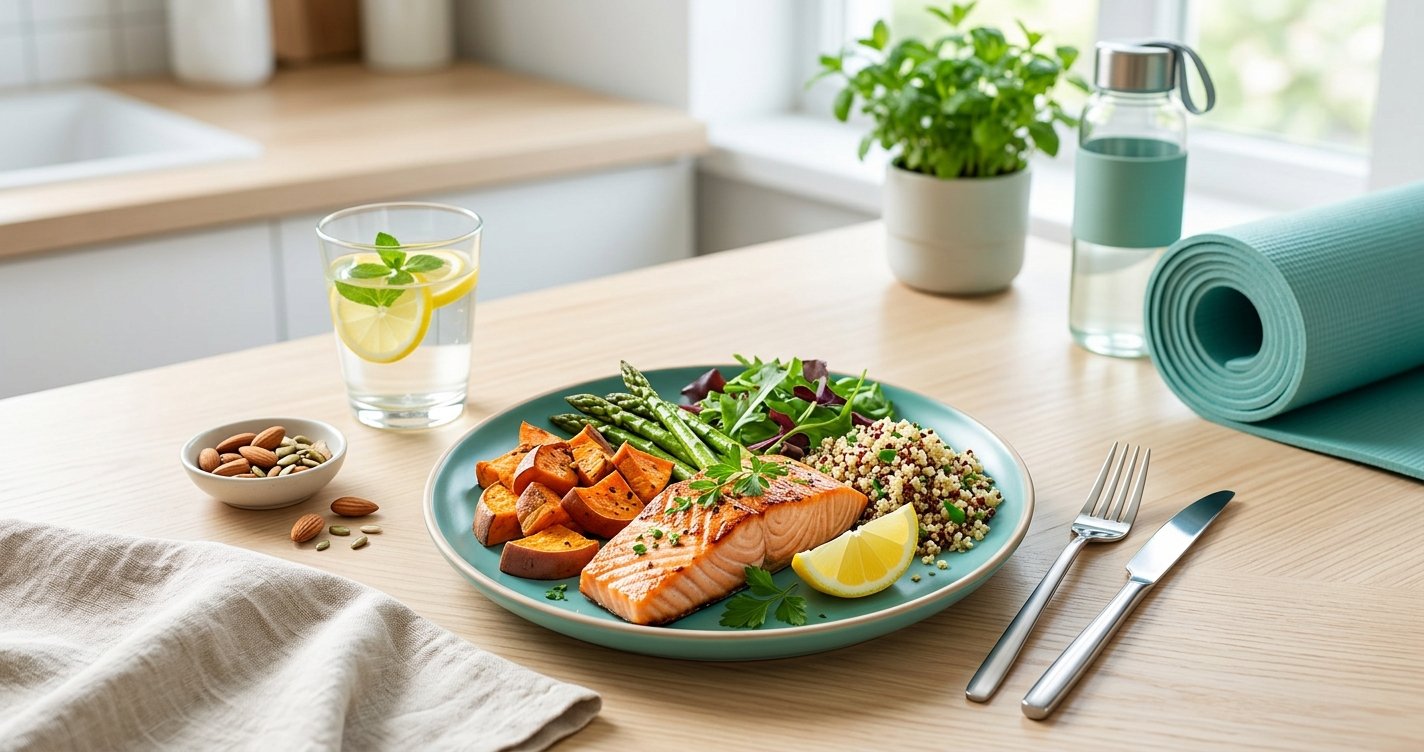
Crafting Your Plate: Practical Strategies for Protein-Rich, Calorie-Controlled Meals
Knowing the science is one thing; putting it into practice is another. Here are actionable tips to build meals that are delicious, satisfying, and perfectly aligned with your fat loss goals:
-
Prioritize Protein at Every Meal:
Make protein the centerpiece of your plate. Whether it's grilled chicken, a serving of lentils, or Greek yogurt, ensure it's the first thing you consider when building a meal.
-
Load Up on Fiber-Rich Vegetables:
Vegetables are low in calories but high in volume and nutrients. They fill you up without adding many calories, making them perfect companions for your protein. Think big salads, roasted broccoli, or stir-fried greens.
-
Choose Smart Carbohydrates:
Don't fear carbs, but choose wisely. Opt for whole grains (quinoa, brown rice, oats) and complex carbohydrates (sweet potatoes) in moderate portions. They provide sustained energy and fiber.
-
Include Healthy Fats:
Fats are essential for hormone production and nutrient absorption. While calorie-dense, a small amount of healthy fats (avocado, nuts, seeds, olive oil) can boost satiety and flavor. Just be mindful of portions.
-
Hydrate, Hydrate, Hydrate:
Often mistaken for hunger, thirst can lead to unnecessary snacking. Drink plenty of water throughout the day. Sometimes a glass of water is all you need!
-
Meal Prep for Success:
Planning and preparing meals in advance can be a game-changer. It removes guesswork, reduces the likelihood of unhealthy impulsive choices, and ensures you always have a protein-packed, calorie-controlled option ready.
Beyond Calories & Protein: The Bigger Picture
While protein and calorie deficit are paramount, remember they exist within a broader healthy lifestyle. For truly sustainable fat loss and overall well-being, consider these synergistic factors:
- Resistance Training: Lifting weights is crucial for building and maintaining muscle, which further supports your metabolism and body composition goals. It works hand-in-hand with high protein intake.
- Prioritize Whole Foods: Focus on nutrient-dense, unprocessed foods. They provide vitamins, minerals, and fiber that support overall health and satiety.
- Sleep Quality: Poor sleep can disrupt hormones that regulate hunger and satiety, making fat loss harder. Aim for 7-9 hours of quality sleep per night.
- Stress Management: Chronic stress can lead to increased cortisol levels, which can promote fat storage, especially around the belly. Find healthy ways to manage stress.
Common Pitfalls & How to Avoid Them
Even with the best intentions, the fat loss journey can have its bumps. Here's how to navigate common challenges:
- Too Extreme Deficit: Going too low on calories is unsustainable and can backfire. Stick to a moderate, comfortable deficit.
- Under-Eating Protein: Many people underestimate their protein needs. Review your intake and make adjustments.
- Ignoring Non-Scale Victories: Don't let the scale be your only measure of success. Notice increased energy, better sleep, clothes fitting differently, and improved mood.
- Impatience: Fat loss takes time. Celebrate small wins and understand that progress isn't always linear. Consistency beats intensity.
- Emotional Eating: Learn to differentiate between physical hunger and emotional hunger. Develop coping mechanisms for stress or boredom that don't involve food.
Your Sustainable Fat Loss Journey Starts Now!
Embarking on a fat loss journey can feel daunting, but armed with the knowledge of calorie deficit and the power of protein, you have a clear, evidence-based roadmap to success. This isn't about dieting; it's about building sustainable habits that nourish your body, preserve your muscle, and help you achieve lasting results.
Remember, consistency, patience, and a positive mindset are your greatest allies. Start by making small, manageable changes, track your progress, and be kind to yourself along the way. Your body is capable of incredible things, and by fueling it wisely, you're not just losing fat – you're building a stronger, healthier, and more vibrant you. You've got this!