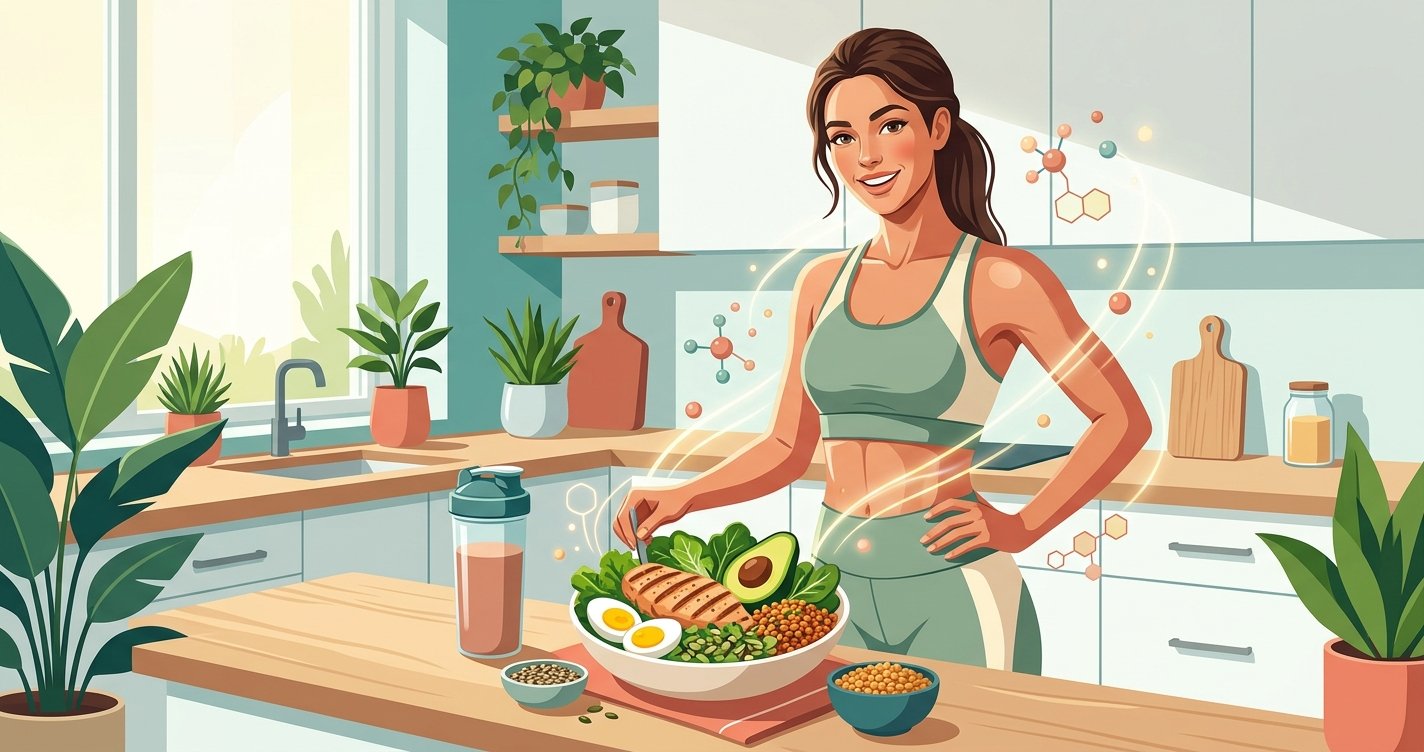
Tired of yo-yo dieting? Frustrated by endless cycles of restriction and rebound? You're not alone! The world of fat loss advice can be overwhelming, often promoting quick fixes that rarely last. But what if we told you there's a powerful, scientifically-backed nutrient that can make your fat loss journey smoother, more satisfying, and truly sustainable? Enter protein, your unsung hero in the quest for a healthier, leaner you.
Many diets focus on cutting calories, carbs, or fats, but often overlook the crucial role protein plays. It's not just for bodybuilders; it's essential for everyone, especially when you're aiming for fat loss. This isn't about deprivation; it's about smart nutrition. In this comprehensive guide, we'll dive deep into why protein is so effective, how much you truly need, and practical ways to effortlessly incorporate more of it into your daily life. Get ready to transform your approach to fat loss, one delicious, protein-packed meal at a time! this excellent wellness product
Why Protein is Your Fat Loss MVP (Most Valuable Player)
Protein isn't just a building block for muscles; it's a metabolic powerhouse that offers multiple advantages when you're trying to shed body fat. Let's break down its key benefits:
The Satiety Superstar: Feeling Full, Naturally
One of the biggest challenges with fat loss is managing hunger. Protein excels here! Numerous studies show that protein is the most satiating macronutrient, meaning it keeps you feeling fuller for longer compared to carbohydrates or fats. When you eat protein, it triggers the release of hormones like PYY and GLP-1, which signal to your brain that you're satisfied. This natural appetite suppression helps reduce overall calorie intake without you feeling deprived or constantly battling cravings. Imagine saying goodbye to those mid-afternoon energy crashes and incessant snacking – that's the power of protein!
Muscle Protection: Preserve Your Metabolism
When you lose weight, you want to lose fat, not muscle. Unfortunately, traditional low-calorie diets often lead to muscle loss alongside fat loss. This is problematic because muscle is metabolically active, meaning it burns more calories at rest than fat does. Losing muscle can slow down your metabolism, making it harder to sustain fat loss and easier to regain weight. A higher protein intake helps to preserve lean muscle mass, especially when combined with strength training. This ensures that your metabolism stays revved up, making your fat loss efforts more effective and sustainable in the long run.
The Thermic Effect: Burn More Calories Just By Eating
Did you know your body burns calories just to digest and process the food you eat? This is called the Thermic Effect of Food (TEF). And guess which macronutrient has the highest TEF? You guessed it – protein! Approximately 20-30% of the calories from protein are burned during digestion, compared to 5-10% for carbohydrates and 0-3% for fats. This means that by simply eating more protein, you're slightly increasing your daily calorie expenditure, giving you a small but significant metabolic advantage in your fat loss journey.
How Much Protein Do You Actually Need? (Evidence-Based Guidelines)
While the Recommended Dietary Allowance (RDA) for protein is 0.8 grams per kilogram of body weight, this is generally the minimum to prevent deficiency, not necessarily optimal for fat loss or muscle preservation. For those actively pursuing fat loss, research suggests a higher intake is beneficial.
General Recommendations vs. Fat Loss Goals
For most individuals aiming for fat loss, a target of 1.6 to 2.2 grams of protein per kilogram of body weight (or 0.7 to 1.0 grams per pound of body weight) is often recommended. If you're very active or significantly overweight, you might even benefit from slightly higher amounts. For instance, a person weighing 70 kg (about 154 lbs) would aim for roughly 112-154 grams of protein per day.
Factors Influencing Your Protein Needs
- Activity Level: The more active you are, especially if you engage in strength training, the higher your protein needs will be to support muscle repair and growth.
- Age: As we age, our bodies become less efficient at utilizing protein, a phenomenon known as anabolic resistance. Older adults may benefit from higher protein intakes to preserve muscle mass and strength.
- Current Body Composition: If you have a higher percentage of body fat and a lower amount of lean mass, focusing on protein can help shift that balance more effectively.
Practical Strategies to Boost Your Protein Intake
Knowing why protein is important is one thing; consistently incorporating it into your diet is another. Here are some simple, actionable strategies to boost your protein intake without feeling overwhelmed:
Smart Swaps & Everyday Additions
- Upgrade Your Breakfast: Ditch sugary cereals for Greek yogurt, eggs, cottage cheese, or a protein smoothie.
- Lean Protein Sources: Prioritize lean meats (chicken breast, turkey, lean beef), fish (salmon, tuna, cod), eggs, and dairy.
- Plant-Based Power: Incorporate lentils, beans, chickpeas, tofu, tempeh, edamame, and quinoa into your meals.
- Snack Smart: Opt for protein-rich snacks like a handful of almonds, string cheese, hard-boiled eggs, or a protein bar.
- Protein Powder: A convenient way to boost protein, especially post-workout or as part of a smoothie.
Meal Planning for Protein Power
Integrate protein into every meal. Aim for 20-40 grams of protein per meal, depending on your total daily target. This helps with satiety throughout the day and ensures a steady supply of amino acids for muscle preservation. For example:
- Breakfast: Scrambled eggs with spinach and a side of cottage cheese.
- Lunch: Large salad with grilled chicken or chickpeas.
- Dinner: Baked salmon with roasted vegetables and a small portion of quinoa.
Don't Forget Snacks!
Strategic snacking can be a game-changer. Instead of reaching for chips or cookies, have a protein-rich snack ready. This could be a handful of walnuts, a small can of tuna, a serving of low-fat Greek yogurt, or a piece of turkey jerky. These snacks help bridge the gap between meals, keeping hunger at bay and preventing overeating later.
Beyond Protein: The Supporting Cast for Sustainable Fat Loss
While protein is a superstar, it doesn't work in isolation. For truly sustainable fat loss, it's essential to consider other crucial lifestyle factors that complement your high-protein approach.
Fiber: Protein's Best Friend
Fiber, found in fruits, vegetables, whole grains, and legumes, is another powerful tool for satiety and digestive health. It adds bulk to your meals, helps stabilize blood sugar, and supports a healthy gut microbiome. Pairing fiber-rich foods with protein creates a synergistic effect, keeping you full and satisfied even longer.
Hydration: Often Overlooked
Drinking enough water is fundamental for overall health and plays a surprising role in fat loss. Sometimes, our bodies mistake thirst for hunger. Staying well-hydrated can help manage appetite, support metabolic processes, and keep your energy levels up. Aim for at least 8 glasses of water a day, more if you're active.
Strength Training: Complementing Your Diet
As mentioned earlier, strength training is crucial for preserving and building muscle mass. When you combine a high-protein diet with regular resistance exercise, you create an optimal environment for fat loss while maintaining or even increasing your lean body mass. This boosts your resting metabolism and helps sculpt your physique.
Sleep & Stress Management: The Unsung Heroes
You can eat all the protein and lift all the weights, but if your sleep is poor and stress levels are high, fat loss will be an uphill battle. Lack of sleep can disrupt hunger-regulating hormones (ghrelin and leptin), leading to increased appetite and cravings. Chronic stress elevates cortisol, which can promote fat storage, especially around the midsection. Prioritize 7-9 hours of quality sleep and find healthy ways to manage stress, whether through meditation, yoga, or spending time in nature.
Common Myths & FAQs About High-Protein Diets
Let's address some common concerns you might have about increasing your protein intake.
"Is it bad for my kidneys?"
This is a frequently asked question, and the good news is that for healthy individuals with normal kidney function, a high-protein diet is generally safe and does not cause kidney damage. Research consistently shows that moderate to high protein intakes (up to 2.2 g/kg/day or even higher in some athletes) have no adverse effects on kidney function in healthy people. If you have pre-existing kidney disease, however, it's crucial to consult your doctor or a registered dietitian before making significant dietary changes.
"Will I get too bulky?"
This concern is particularly common among women. Rest assured, simply increasing your protein intake will not automatically make you "bulky." Building significant muscle mass requires intense, consistent strength training, a specific calorie surplus, and often, genetic predispositions. For most people, a high-protein diet combined with exercise will lead to a leaner, more toned physique, not excessive bulk. Protein helps preserve the muscle you have and aids in recovery, contributing to a strong, healthy body composition.
Embrace the Power of Protein for Lasting Change
Shifting your focus to a high-protein diet for fat loss isn't about a restrictive fad; it's about adopting a sustainable, evidence-based nutritional strategy that works with your body, not against it. By prioritizing protein, you'll naturally feel more satisfied, protect your metabolism, and give your body the essential building blocks it needs to thrive.
Remember, consistency is key. Start by making small, manageable changes. Add an extra serving of protein to one meal, swap a sugary snack for a protein-rich option, or include more lean sources in your weekly meal prep. Combine these dietary changes with regular physical activity, adequate sleep, and stress management, and you'll be well on your way to achieving not just fat loss, but a healthier, stronger, and more vibrant you. Your sustainable fat loss journey starts now – fueled by the incredible power of protein!