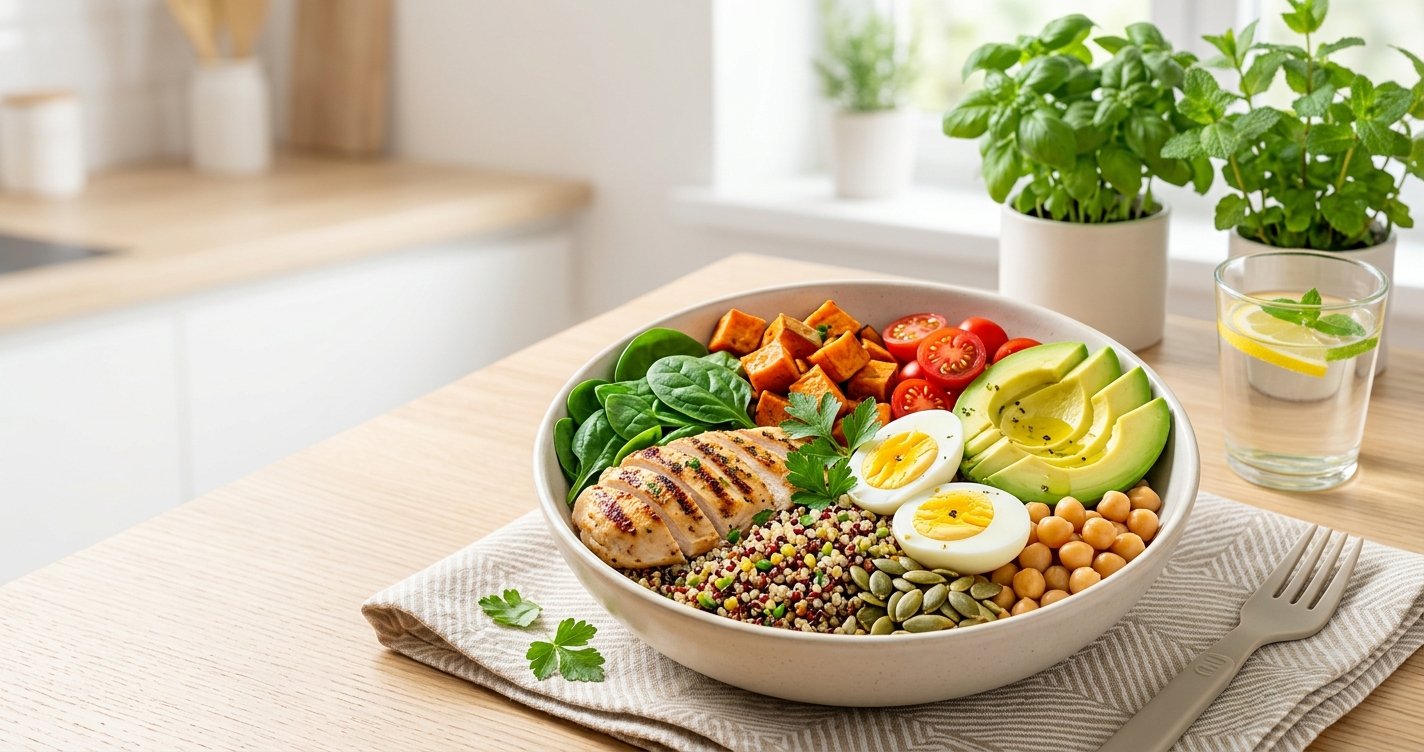
Welcome to Your Sustainable Fat Loss Journey!
Are you tired of the endless cycle of restrictive diets, quick fixes, and disappointing rebounds? You're not alone. Many people embark on a fat loss journey with enthusiasm, only to find themselves frustrated by unsustainable methods and confusing information. What if we told you there's a simpler, more effective, and far more enjoyable path to achieving your fat loss goals – one that doesn't involve deprivation or extreme measures?
This isn't about the latest fad diet; it's about empowering you with evidence-based strategies that work with your body, not against it. Today, we're diving deep into two foundational pillars of successful, sustainable fat loss: the incredible power of protein and the undeniable benefits of embracing whole foods. Get ready to transform your approach to eating, boost your metabolism, preserve muscle, and feel fantastic – all while shedding unwanted fat for good. Let's unlock a healthier, happier you! this excellent wellness product
Why Fad Diets Often Fail: The Case for Sustainable Change
Before we dive into the good stuff, let's briefly touch on why so many popular fat loss diets leave us feeling defeated. Most fad diets promise rapid results through extreme calorie restriction, elimination of entire food groups, or reliance on specific 'magic' foods. While they might deliver initial weight loss (often water weight and even muscle), they typically fall short in the long run because they are:
- Unsustainable: Who can realistically cut out carbs forever, or drink only juice? Life happens, and these rigid rules often lead to feelings of failure and eventual rebound weight gain.
- Nutritionally Deficient: Restrictive eating can deprive your body of essential vitamins, minerals, and macronutrients, leading to fatigue, poor mood, and long-term health issues.
- Mentally Draining: Constantly thinking about what you can't eat creates a stressful relationship with food, often leading to cravings and binge eating.
- Ignoring Metabolic Adaptation: Extreme restriction can slow down your metabolism, making it harder to lose fat and easier to regain it once you stop the diet.
Our focus today is on building habits you can maintain for life, fostering a positive relationship with food, and providing your body with the nutrients it needs to thrive while effectively losing fat.
The Mighty Macronutrient: How Protein Powers Your Fat Loss
When it comes to fat loss, protein is your best friend. It’s not just for bodybuilders; it’s essential for everyone, especially when you're aiming to shed body fat while preserving lean muscle. Let’s explore its superpowers:
Satiety & Appetite Control: Stay Fuller, Longer
One of protein's most celebrated benefits is its ability to make you feel full and satisfied. High-protein meals trigger the release of satiety hormones (like GLP-1 and PYY) and reduce levels of ghrelin, the 'hunger hormone.' This means you'll experience fewer cravings, reduced overall calorie intake, and a greater ability to stick to your dietary goals without feeling deprived.
Muscle Preservation: Protect Your Metabolism
When you're in a calorie deficit (eating less than you burn), your body can sometimes break down muscle tissue for energy, not just fat. This is detrimental because muscle is metabolically active – it burns more calories at rest than fat does. A higher protein intake helps signal your body to hold onto that precious muscle mass, ensuring that the weight you lose is primarily fat, and keeping your metabolism humming.
Thermic Effect of Food (TEF): Burn More Calories Digesting
Every time you eat, your body uses energy to digest, absorb, and metabolize the nutrients. This is known as the Thermic Effect of Food (TEF). Protein has a significantly higher TEF compared to carbohydrates and fats. Roughly 20-30% of the calories from protein are burned just in the digestion process, compared to 5-10% for carbs and 0-3% for fats. This 'metabolic boost' can add up over the day, contributing to your overall calorie expenditure.
Recommended Protein Intake for Fat Loss
While individual needs vary, a general guideline for fat loss is to aim for 1.6 to 2.2 grams of protein per kilogram of body weight (or 0.7 to 1 gram per pound of body weight) per day. Spreading this intake evenly across your meals and snacks can maximize its benefits.
Delicious Protein Sources to Include:
- Lean Meats: Chicken breast, turkey, lean beef, pork tenderloin.
- Fish & Seafood: Salmon, cod, tuna, shrimp, scallops.
- Eggs: Whole eggs are a complete protein powerhouse.
- Dairy: Greek yogurt, cottage cheese, milk, whey protein.
- Legumes: Lentils, chickpeas, black beans (also great fiber sources!).
- Plant-Based: Tofu, tempeh, edamame, seitan, plant-based protein powders.
Embrace the Rainbow: The Undeniable Benefits of Whole Foods
Pairing your adequate protein intake with a rich array of whole foods is where the magic truly happens for sustainable fat loss and overall health. What exactly are whole foods?
What Are “Whole Foods” Anyway?
Whole foods are foods that are as close to their natural state as possible, with minimal processing. Think single-ingredient foods found in nature. Examples include:
- Fruits: Apples, berries, bananas, oranges, pears.
- Vegetables: Broccoli, spinach, carrots, bell peppers, sweet potatoes, kale.
- Whole Grains: Oats, brown rice, quinoa, whole wheat bread/pasta.
- Legumes: Beans, lentils, chickpeas.
- Nuts & Seeds: Almonds, walnuts, chia seeds, flax seeds.
- Lean Proteins: As mentioned above (chicken, fish, eggs, etc.).
Nutrient Density: Fuel Without the Empty Calories
Whole foods are packed with vitamins, minerals, antioxidants, and phytonutrients that are vital for countless bodily functions, including metabolism, energy production, and hormonal balance. Unlike highly processed foods that often contain 'empty calories' (calories with little nutritional value), whole foods provide a wealth of nutrients that support your health while helping you feel satisfied with fewer calories.
Fiber Power: Your Gut's Best Friend
Whole foods, especially fruits, vegetables, and whole grains, are rich in dietary fiber. Fiber is incredible for fat loss because it:
- Boosts Satiety: Fiber adds bulk to your meals without adding many calories, helping you feel full and reducing overeating.
- Regulates Blood Sugar: It slows down the absorption of sugar into your bloodstream, preventing spikes and crashes that can lead to cravings and energy dips.
- Promotes Gut Health: A healthy gut microbiome is increasingly linked to better weight management and overall well-being.
Avoiding Processed Pitfalls: Hidden Sugars and Unhealthy Fats
By prioritizing whole foods, you naturally reduce your intake of highly processed foods, which are often loaded with added sugars, unhealthy trans fats, refined grains, and artificial ingredients. These components contribute to inflammation, insulin resistance, and excess calorie intake, making fat loss much more challenging.
Synergy in Action: Combining Protein and Whole Foods for Optimal Results
The real power comes when you combine adequate protein with a diverse range of whole foods at every meal. This synergy creates a powerful fat loss engine:
- Balanced Meals: Each meal becomes a powerhouse of satiety, nutrients, and sustained energy. Imagine a grilled salmon with roasted vegetables and quinoa, or Greek yogurt with berries and a sprinkle of nuts.
- Steady Energy: The combination of fiber and protein helps stabilize blood sugar, preventing energy crashes and the urge to reach for sugary snacks.
- Metabolic Support: You're giving your body the building blocks (protein) and micronutrients (from whole foods) it needs to optimize its metabolic functions, making fat burning more efficient.
- Reduced Cravings: Feeling consistently full and nourished means fewer battles against cravings for unhealthy foods.
Practical Tips for Integrating Protein and Whole Foods:
- Prioritize Protein at Every Meal: Aim for a palm-sized portion of protein (20-30g) in your breakfast, lunch, and dinner.
- Fill Half Your Plate with Veggies: Especially non-starchy ones like broccoli, spinach, peppers, and green beans.
- Choose Whole Grains Over Refined: Opt for oats, quinoa, brown rice, or whole wheat bread instead of white bread or sugary cereals.
- Snack Smart: Instead of chips, reach for Greek yogurt with berries, a handful of almonds, or apple slices with nut butter.
- Plan Ahead: Meal prepping even a few meals can significantly increase your adherence to whole food, high-protein eating.
Beyond the Plate: Lifestyle Factors for Lasting Success
While nutrition is paramount, remember that fat loss is also supported by other healthy lifestyle habits. Don't underestimate the impact of:
- Adequate Sleep: Poor sleep can disrupt hunger hormones (ghrelin and leptin), increase cravings, and make fat loss harder. Aim for 7-9 hours per night.
- Stress Management: Chronic stress elevates cortisol, which can promote fat storage, particularly around the belly. Find healthy ways to manage stress, like meditation, yoga, or hobbies.
- Hydration: Drink plenty of water throughout the day. Sometimes thirst is mistaken for hunger.
- Consistent Movement: While not the primary driver of fat loss, regular physical activity (both strength training and cardio) complements your nutrition efforts by burning calories, building muscle, and improving overall health.
Your Journey to Sustainable Fat Loss Starts Now!
Embracing a lifestyle rich in protein and whole foods isn't a temporary diet; it's a powerful, sustainable approach to nourishing your body, optimizing your metabolism, and achieving lasting fat loss. It's about making choices that make you feel good, inside and out. Forget the deprivation and embrace abundance – abundance of nutrients, energy, and satisfaction.
Start small, be consistent, and celebrate every step of your journey. Your body will thank you, and you'll discover that sustainable fat loss isn't just about the number on the scale, but about building a healthier, stronger, and more vibrant you. You've got this!