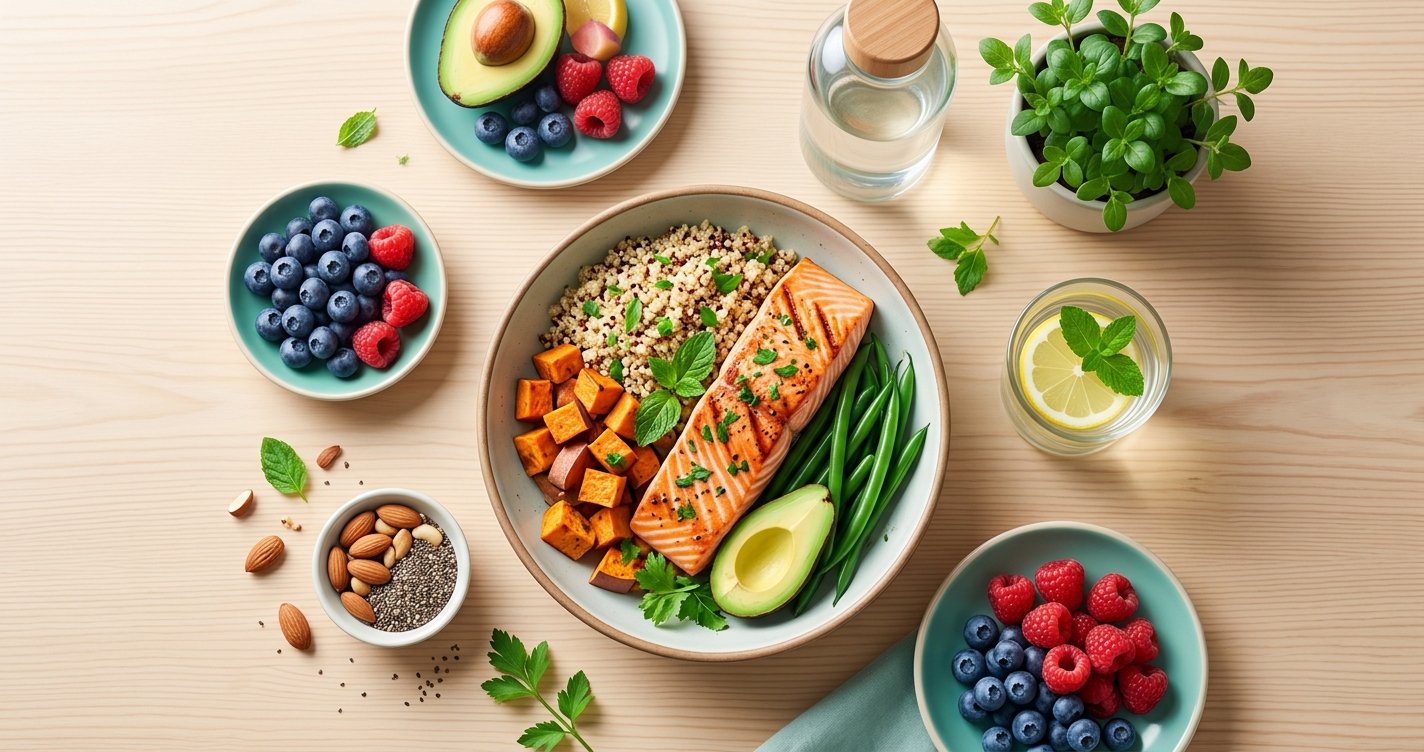
Hey there, future you! Are you tired of the diet rollercoaster? The endless cycle of restrictive eating, quick fixes, and then, inevitably, the regain? You’re not alone. So many people embark on a fat loss journey with the best intentions, only to find themselves burnt out, frustrated, and no closer to their goals. The truth is, sustainable fat loss isn't about deprivation; it's about smart, consistent, and enjoyable nutrition habits that you can stick with for life.
Forget everything you think you know about 'dieting.' Today, we're diving deep into evidence-based, friendly, and incredibly effective strategies that will empower you to achieve lasting fat loss without sacrificing your sanity or your favorite foods. Ready to unlock the secrets to a healthier, happier you? this excellent wellness product
Understanding the Core Principle: The Calorie Deficit
Let's get one thing straight: at its heart, fat loss comes down to a calorie deficit. This means consistently consuming slightly fewer calories than your body burns. Think of it like a bank account: if you spend more than you earn, your savings go down. In this case, your body taps into its stored fat for energy. It sounds simple, but it’s the non-negotiable foundation upon which all other strategies are built.
However, a calorie deficit doesn't mean starvation! It means being mindful of your intake and making smarter choices that keep you feeling full and satisfied on fewer calories. The goal is to create a deficit that is manageable and sustainable, typically 300-500 calories below your maintenance level.
How to Estimate Your Calorie Needs
While precise calculation can be complex, you can get a good estimate using online calculators (search for 'TDEE calculator' - Total Daily Energy Expenditure). These tools consider your age, gender, weight, height, and activity level to give you an approximate number of calories you burn daily. Subtract 300-500 from that number, and you have your starting point for a fat loss calorie target. Remember, this is an estimate, and you may need to adjust based on your progress.
The Pillars of Sustainable Nutrition for Fat Loss
Now that we understand the fundamental principle, let's build a robust nutritional framework that supports your fat loss journey, keeps you energized, and prevents hunger pangs.
Pillar 1: Prioritize Protein for Satiety and Muscle Preservation
If there's one macronutrient you should focus on for fat loss, it's protein. Here's why protein is your best friend:
- Satiety: Protein is incredibly filling. Including a good source of protein in every meal helps you feel fuller for longer, reducing the urge to snack unnecessarily.
- Thermogenic Effect: Your body burns more calories digesting protein than it does fats or carbohydrates. This is known as the 'thermic effect of food' (TEF).
- Muscle Preservation: When you're in a calorie deficit, your body can sometimes break down muscle tissue for energy, not just fat. Adequate protein intake helps signal your body to hold onto that precious muscle, which is crucial for a healthy metabolism.
Aim for 0.7-1 gram of protein per pound of your target body weight daily. Excellent sources include lean meats, poultry, fish, eggs, dairy (Greek yogurt, cottage cheese), legumes, and tofu.
Pillar 2: Embrace Whole, Unprocessed Foods
This might sound obvious, but it's worth emphasizing. Whole foods are foods that are as close to their natural state as possible. Think fresh fruits, vegetables, lean proteins, whole grains, and healthy fats. They are packed with essential vitamins, minerals, and antioxidants that your body needs to thrive.
In contrast, ultra-processed foods (packaged snacks, sugary drinks, fast food) are often calorie-dense, nutrient-poor, and designed to be hyper-palatable, making it easy to overeat. By focusing on whole foods, you naturally reduce your intake of empty calories, added sugars, and unhealthy fats, while increasing your nutrient intake and overall satisfaction.
Pillar 3: Don't Fear Healthy Fats and Complex Carbs
In the past, fats were demonized, and then carbs took their turn. The truth is, both are vital for a healthy, functioning body – especially when chosen wisely.
- Healthy Fats: Fats are essential for hormone production, nutrient absorption, and provide sustained energy. Sources like avocados, nuts, seeds, olive oil, and fatty fish (salmon) are crucial. They also contribute to satiety. Just remember they are calorie-dense, so portion control is key.
- Complex Carbohydrates: These are your body's preferred energy source, especially important if you're active. Unlike simple carbs (white bread, sugary drinks) that cause rapid blood sugar spikes and crashes, complex carbs (oats, brown rice, quinoa, sweet potatoes, whole-grain bread) provide a steady release of energy and are rich in fiber.
Balance is key. Focus on getting your fats from healthy sources and your carbs primarily from whole, minimally processed options.
Pillar 4: The Mighty Role of Fiber
Fiber is often overlooked but plays a starring role in sustainable fat loss. Found abundantly in fruits, vegetables, legumes, and whole grains, fiber contributes to:
- Satiety: Fiber adds bulk to your meals, helping you feel full and satisfied without adding many calories.
- Blood Sugar Control: It slows down the absorption of sugar into your bloodstream, preventing spikes and crashes that can lead to cravings.
- Digestive Health: A healthy gut is crucial for overall well-being and can indirectly support fat loss efforts.
Aim for 25-35 grams of fiber per day by incorporating a variety of plant-based foods into your diet.
Beyond the Plate: Essential Habits for Success
Nutrition isn't just about what you eat; it's also about how you eat and how you support your body's other needs.
Hydration: Your Body's Best Friend
Often underestimated, proper hydration is fundamental for fat loss and overall health. Water plays a role in metabolism, nutrient transport, and even appetite regulation. Sometimes, what you perceive as hunger is actually thirst.
Make it a habit to drink plenty of water throughout the day. Keep a water bottle handy, and aim for at least 8 glasses (around 2 liters), more if you're active or in a hot climate. Unsweetened tea and coffee can also contribute to your fluid intake.
Mindful Eating: Reconnecting with Hunger and Fullness
In our fast-paced world, many of us eat distractedly, rushing through meals or snacking mindlessly. Mindful eating encourages you to pay attention to your body's hunger and fullness cues, savor your food, and truly enjoy the experience.
- Eat Slowly: It takes about 20 minutes for your stomach to signal to your brain that you're full. Slow down, chew thoroughly, and put your fork down between bites.
- Listen to Your Body: Eat when you're truly hungry, not just bored or stressed. Stop when you're comfortably full, not stuffed.
- Minimize Distractions: Turn off the TV, put away your phone, and focus on your meal.
Practicing mindful eating can help prevent overeating and foster a healthier relationship with food.
Practical Tips for Staying on Track
- Meal Prep: Dedicate a few hours each week to planning and preparing healthy meals and snacks. This reduces decision fatigue and the likelihood of grabbing unhealthy options when hunger strikes.
- Portion Control: Even with healthy foods, calories still count. Use smaller plates, measure out servings, and be aware of typical portion sizes.
- Smart Snacking: If you need snacks, choose nutrient-dense options like fruit, a handful of nuts, Greek yogurt, or vegetable sticks with hummus.
- Track Your Progress (Initially): For some, tracking calories and macros for a few weeks can be incredibly enlightening, helping you understand where your calories are truly coming from. This isn't forever, but it's a powerful learning tool.
- Allow for Flexibility: Don't strive for perfection; aim for consistency. It's okay to enjoy a treat now and then. The 80/20 rule (eating healthy 80% of the time, allowing for flexibility 20% of the time) can be very effective for long-term adherence.
The Power of Patience and Consistency
Sustainable fat loss is a marathon, not a sprint. There will be days when you feel incredibly motivated, and days when you struggle. The key is to remain patient and consistent. Small, consistent efforts compound over time, leading to significant, lasting results.
Celebrate your non-scale victories – improved energy, better sleep, clothes fitting differently, increased strength. These indicators are often more meaningful than the number on the scale. Trust the process, and remember that every healthy choice you make is a step towards your goal.
Your Journey to Lasting Fat Loss Starts Now!
You have the power to transform your health and achieve the lasting fat loss you desire. By focusing on a sustainable calorie deficit, prioritizing protein, embracing whole foods, staying hydrated, and practicing mindful eating, you're not just 'dieting' – you're building a foundation for lifelong health and vitality.
It's about making conscious choices that nourish your body and mind, not punishing yourself. Be kind to yourself, stay consistent, and remember that every step forward, no matter how small, is progress. You've got this!