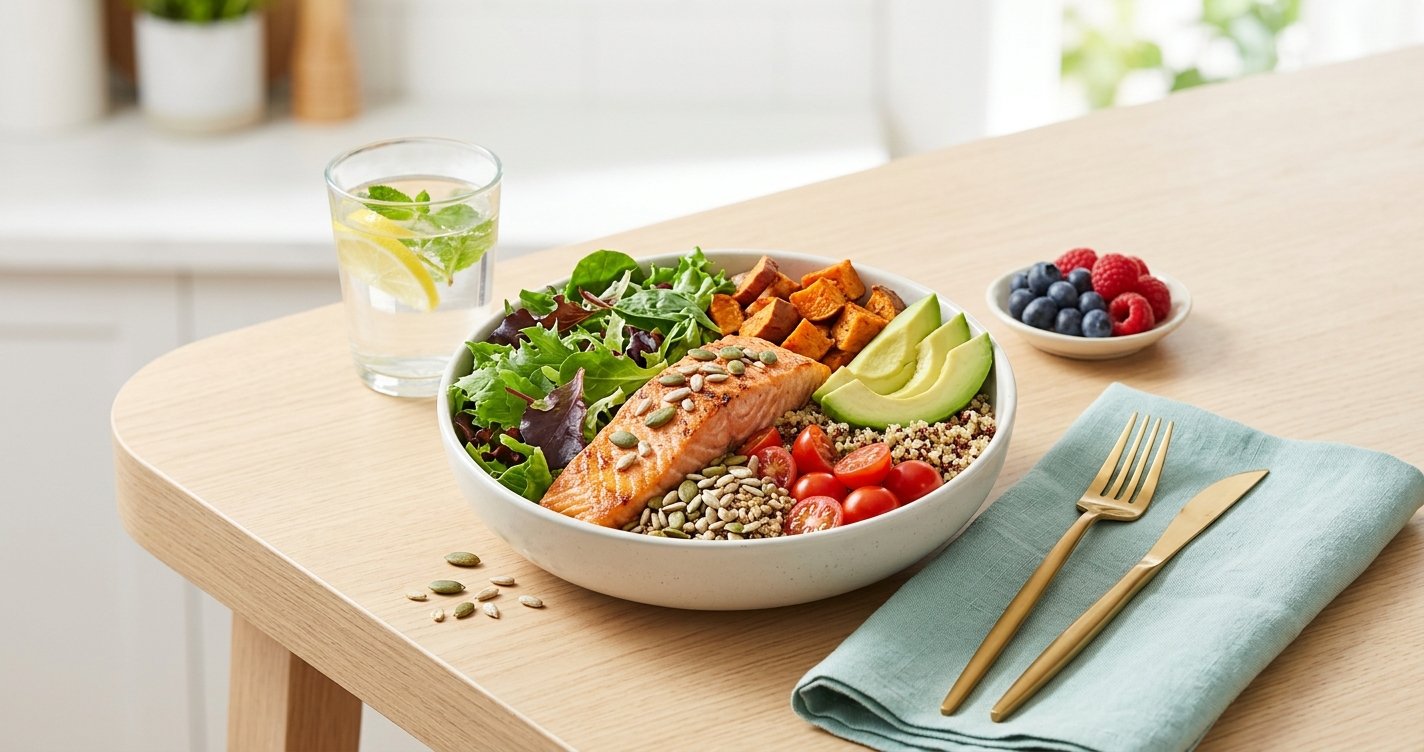
Fuel Your Fat Loss Journey: Smart Nutrition for Lasting Results
Are you tired of the endless cycle of restrictive diets, quick fixes, and the frustration of seeing the scale yo-yo? You're not alone! In a world full of conflicting nutrition advice, it's easy to feel overwhelmed when trying to achieve sustainable fat loss. But what if we told you that shedding those extra pounds doesn't have to mean deprivation or extreme measures? What if it's about smart, evidence-based nutrition strategies that nourish your body, keep you feeling satisfied, and lead to lasting results?
This isn't about a magic pill or the latest fad diet. This is about understanding the fundamental principles of nutrition that empower you to make informed choices, build healthy habits, and finally achieve the sustainable fat loss you've been searching for. Let's ditch the diet mentality and embrace a journey towards a healthier, happier you! this excellent wellness product
The Foundation: Understanding Energy Balance (The Calorie Deficit)
At its core, fat loss boils down to one undeniable scientific principle: energy balance. To lose fat, you must consistently consume fewer calories than your body burns. This is known as creating a calorie deficit.
Think of your body as a car. If you put less fuel in than it uses to drive, the fuel tank will eventually deplete. Similarly, if you provide your body with fewer calories than it needs for its daily functions (breathing, thinking, moving, exercising), it will start to tap into its stored energy reserves – primarily body fat – to make up the difference. While simple in concept, the key to success lies in creating a moderate and sustainable deficit. Extreme calorie restriction often backfires, leading to nutrient deficiencies, muscle loss, and an increased likelihood of rebound weight gain.
Aim for a deficit of 300-500 calories per day, which is often enough to see steady progress (1-2 pounds of fat loss per week) without feeling overly deprived. Tools like online calculators can help estimate your daily calorie needs, but remember, they are just estimates. Listening to your body and adjusting as you go is crucial.
Power Up with Protein: Your Fat Loss Ally
Why Protein is King for Fat Loss
If there's one macronutrient that deserves a spotlight in your fat loss journey, it's protein. Here's why:
- Satiety Superstar: Protein is incredibly filling. Including adequate protein in your meals helps you feel fuller for longer, reducing cravings and the likelihood of overeating.
- Muscle Preservation: When you're in a calorie deficit, your body can sometimes break down muscle tissue for energy. A higher protein intake helps to preserve precious muscle mass, which is vital for maintaining a healthy metabolism.
- Thermic Effect of Food (TEF): Protein has a higher TEF than carbohydrates or fats. This means your body expends more energy (calories) digesting and metabolizing protein, giving you a slight metabolic advantage.
How Much Protein Do You Need?
General guidelines for fat loss suggest consuming around 1.6 to 2.2 grams of protein per kilogram of body weight per day. For an average adult, this often translates to 20-40 grams of protein per meal, spread throughout the day. Prioritize lean protein sources:
- Lean meats (chicken breast, turkey, lean beef)
- Fish and seafood (salmon, tuna, cod, shrimp)
- Eggs
- Dairy (Greek yogurt, cottage cheese, milk)
- Legumes (lentils, beans, chickpeas)
- Plant-based proteins (tofu, tempeh, edamame, protein powder)
Embrace Fiber: The Satiety Secret Weapon
Often overlooked, dietary fiber is a powerful tool in your fat loss arsenal. Found abundantly in fruits, vegetables, whole grains, and legumes, fiber contributes to satiety in several ways:
- Bulk and Fullness: Fiber adds volume to your meals without adding many calories, helping you feel physically full.
- Slowed Digestion: Soluble fiber forms a gel-like substance in your digestive tract, slowing down the absorption of nutrients and keeping blood sugar levels stable, which prevents energy crashes and subsequent cravings.
- Gut Health: Fiber feeds beneficial gut bacteria, which play a role in metabolism and overall health.
Aim for at least 25-30 grams of fiber per day. Make an effort to fill half your plate with non-starchy vegetables at every meal, snack on fruit, and choose whole grains over refined ones.
Don't Fear the Fat (Healthy Fats, That Is!)
For decades, fat was demonized as the primary culprit for weight gain. However, we now understand that healthy fats are essential for overall health and even play a role in fat loss. They are crucial for hormone production, nutrient absorption (especially fat-soluble vitamins A, D, E, K), and contribute to satiety.
The key is moderation and choosing the right types of fat. Focus on unsaturated fats:
- Avocado
- Nuts and seeds (almonds, walnuts, chia seeds, flax seeds)
- Olive oil, avocado oil
- Fatty fish (salmon, mackerel, sardines)
While healthy, fats are calorie-dense, so portion control is important. A small handful of nuts or a drizzle of olive oil is usually sufficient.
Carbohydrates: Friend or Foe? (It's Complicated, But Mostly Friend)
Carbohydrates often get a bad rap in the fat loss world, but they are your body's preferred energy source, especially if you're active. The distinction lies between types of carbohydrates.
- Complex Carbohydrates (Friends): These are found in whole grains (oats, brown rice, quinoa), fruits, and vegetables. They are rich in fiber, vitamins, and minerals, providing sustained energy and supporting satiety.
- Refined Carbohydrates (Foes, mostly): These include white bread, pastries, sugary drinks, and highly processed snacks. They are stripped of fiber and nutrients, leading to rapid blood sugar spikes and subsequent crashes, often triggering cravings and overeating.
Don't eliminate carbs entirely, especially if you're active! Instead, prioritize complex carbohydrates, control your portions, and time them around your workouts for optimal energy and recovery.
Hydration: The Unsung Hero of Fat Loss
Water might seem simple, but its role in fat loss is profound. Staying adequately hydrated supports metabolism, aids in nutrient transport, helps regulate body temperature, and can even help manage hunger cues (sometimes thirst is mistaken for hunger!).
Aim for at least 8 glasses (around 2 liters) of water daily, and more if you're exercising or in a hot climate. Keep a water bottle handy, infuse water with fruits for flavor, and make hydration a non-negotiable part of your routine.
Beyond the Macros: Mindful Eating and Consistency
While understanding macronutrients and calorie deficits is crucial, sustainable fat loss extends beyond numbers. It involves developing a healthier relationship with food and your body.
- Mindful Eating: Pay attention to your hunger and fullness cues. Eat slowly, savor your food, and eliminate distractions like screens. This helps you recognize when you're truly satisfied, preventing overeating.
- Prioritize Sleep: Lack of sleep can wreak havoc on your hormones, increasing hunger (ghrelin) and decreasing satiety (leptin), making fat loss significantly harder. Aim for 7-9 hours of quality sleep per night.
- Manage Stress: Chronic stress elevates cortisol levels, which can promote fat storage, especially around the midsection. Find healthy ways to manage stress, whether it's through exercise, meditation, or hobbies.
- Consistency, Not Perfection: You don't need to be perfect every day. Life happens! Focus on being consistent with your healthy habits most of the time. One 'off' meal or day won't derail your progress; it's what you do consistently that counts.
Your Sustainable Fat Loss Journey Starts Now!
Achieving sustainable fat loss isn't about quick fixes; it's about building a foundation of smart, evidence-based nutrition habits that you can maintain for life. By focusing on a moderate calorie deficit, prioritizing protein and fiber, incorporating healthy fats, choosing complex carbohydrates, staying hydrated, and practicing mindful eating, you're setting yourself up for success.
Remember, this is a journey, not a race. Be patient with yourself, celebrate small victories, and focus on progress over perfection. You have the power to transform your body and your health, one nourishing meal at a time. Start small, stay consistent, and watch as you not only shed fat but also build a stronger, healthier, and more confident you!