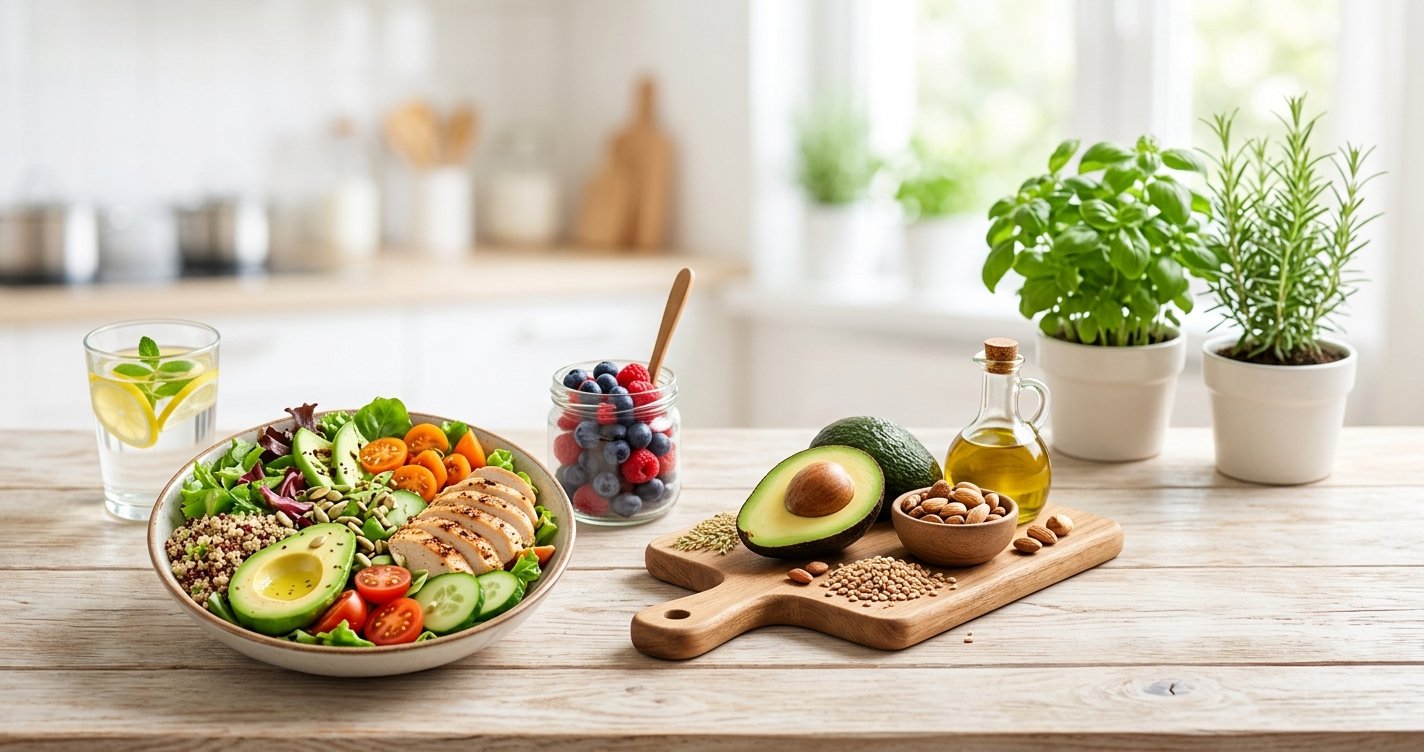
Tired of Yo-Yo Diets? Discover Sustainable Nutrition for Lasting Fat Loss!
You’ve tried them all, haven’t you? The restrictive diets, the detoxes, the promises of rapid fat loss that leave you feeling deprived, frustrated, and often, right back where you started. It’s a cycle many of us know all too well. But what if there was a better way? A way to achieve sustainable fat loss without sacrificing your favorite foods or your sanity?
Welcome to the world of sustainable nutrition – an evidence-based approach that focuses on building healthy habits that you can maintain for life, not just for a few weeks. This isn’t about quick fixes; it’s about understanding your body, nourishing it properly, and making informed choices that support your fat loss goals and overall well-being. Let’s ditch the diet mentality and embark on a friendly, encouraging, and effective journey to lasting change! this excellent wellness product
Why Fad Diets Fail (And What to Do Instead)
The allure of rapid fat loss is powerful, but most fad diets are built on foundations that crumble under real-life pressure. They often involve:
- Extreme Restriction: Cutting out entire food groups or drastically slashing calories leads to nutrient deficiencies, intense cravings, and a feeling of deprivation.
- Unrealistic Expectations: While initial rapid weight loss can occur (often water weight), it’s rarely sustainable and can lead to metabolic slowdown.
- Lack of Education: They teach you what not to eat, but not how to eat for long-term health and fat loss.
- Social Isolation: Strict rules can make social eating difficult and isolating.
The solution? Shift your focus from temporary deprivation to permanent nourishment. Instead of a diet, think of it as a lifestyle upgrade. We’re aiming for small, consistent changes that accumulate into significant, sustainable fat loss and improved health.
The Cornerstone: Calorie Awareness, Not Obsessive Counting
Let’s be honest: to lose fat, you generally need to consume fewer calories than your body burns – this is known as a calorie deficit. However, this doesn’t mean you need to meticulously track every single morsel of food for the rest of your life. That’s exhausting!
Instead, cultivate calorie awareness. This means understanding which foods are calorie-dense versus nutrient-dense, and getting a general sense of portion sizes. Here’s how:
- Educate Yourself: Spend a week or two tracking your food intake using an app. This isn’t for perfection, but to gain insight into where your calories truly come from. You might be surprised!
- Focus on Nutrient Density: Prioritize whole, unprocessed foods like vegetables, fruits, lean proteins, and whole grains. They offer more nutrients for fewer calories, keeping you fuller longer.
- Practice Portion Control: Learn to eyeball appropriate portion sizes. Your palm can represent a serving of protein, your cupped hand for carbs, and your thumb for fats.
The goal isn’t to be perfect, but to be consistently mindful. Once you have a better understanding, you can often make healthier choices intuitively without constant tracking.
Power Up with Protein: Your Fat Loss Ally
If there’s one macronutrient that deserves special attention for fat loss, it’s protein. Here’s why it’s so crucial:
- Satiety Superpower: Protein is incredibly filling. Including a good source of protein at every meal helps reduce hunger and cravings throughout the day, making it easier to stick to your calorie goals.
- Muscle Preservation: When you’re in a calorie deficit, your body can sometimes break down muscle tissue for energy. Adequate protein intake helps preserve your precious muscle mass, which is vital for maintaining a healthy metabolism.
- Thermic Effect of Food (TEF): Your body uses more energy to digest and metabolize protein compared to carbohydrates or fats. This means you burn a few extra calories just by eating protein-rich foods!
How to Boost Your Protein Intake:
- Include lean protein sources like chicken breast, turkey, fish, eggs, Greek yogurt, cottage cheese, tofu, lentils, and beans in every meal.
- Consider protein shakes as a convenient way to supplement if you struggle to meet your needs through whole foods.
- Aim for roughly 0.7-1 gram of protein per pound of your target body weight.
Embrace Smart Carbs and Healthy Fats
Carbohydrates and fats have often been demonized in the fat loss world, but they are essential for your health and energy levels. The key is to choose the right kind and the right amounts.
Smart Carbohydrates for Sustained Energy:
Carbs are your body’s primary fuel source. Instead of refined sugars and processed grains, opt for complex carbohydrates rich in fiber:
- Whole Grains: Oats, brown rice, quinoa, whole-wheat bread and pasta.
- Fruits: Berries, apples, bananas, oranges – packed with vitamins and fiber.
- Vegetables: Especially starchy vegetables like sweet potatoes and squash, and all non-starchy vegetables.
These provide sustained energy, prevent blood sugar spikes and crashes, and contribute to satiety.
Healthy Fats for Hormone Balance and Satiety:
Fats are crucial for hormone production, nutrient absorption, and also contribute significantly to feeling full. Just remember, fats are calorie-dense, so portion control is key.
- Monounsaturated Fats: Avocados, olive oil, nuts (almonds, cashews).
- Polyunsaturated Fats: Fatty fish (salmon, mackerel), flaxseeds, chia seeds, walnuts.
Include a small serving of healthy fats with your meals to enhance flavor and satisfaction.
The Magic of Fiber: Filling Up, Slimming Down
Fiber is often overlooked but plays a monumental role in sustainable fat loss and overall health. Think of it as your digestive system’s best friend.
- Super Satiety: Fiber adds bulk to your meals without adding significant calories. It expands in your stomach, signaling to your brain that you’re full, which helps reduce overeating.
- Blood Sugar Control: Soluble fiber slows down the absorption of sugar, preventing those dreaded blood sugar spikes and subsequent crashes that can lead to cravings.
- Gut Health: Fiber feeds the beneficial bacteria in your gut, leading to a healthier microbiome, which is increasingly linked to weight management and overall wellness.
Fiber-Rich Foods to Add to Your Plate:
- Vegetables: All of them! Especially leafy greens, broccoli, Brussels sprouts.
- Fruits: Berries, apples with skin, pears.
- Legumes: Lentils, black beans, chickpeas.
- Whole Grains: Oats, barley, quinoa.
Aim for 25-35 grams of fiber per day, gradually increasing your intake to avoid digestive discomfort.
Hydration & Mindful Eating: Often Overlooked, Always Essential
These two pillars might seem simple, but their impact on fat loss is profound.
Hydrate for Success:
- Satiety Signal: Sometimes, thirst is mistaken for hunger. Drinking a glass of water before meals can help you assess true hunger and prevent overeating.
- Metabolic Support: Water is essential for countless bodily functions, including metabolism. Staying well-hydrated ensures your body operates efficiently.
Keep a water bottle handy and aim for 8-10 glasses (2-3 liters) per day.
Practice Mindful Eating:
In our fast-paced world, we often eat on the go or while distracted. Mindful eating means paying attention to your food and your body’s signals.
- Slow Down: Eat without distractions. Put away your phone, turn off the TV.
- Savor Each Bite: Notice the flavors, textures, and aromas.
- Listen to Your Body: Eat when you’re hungry, stop when you’re satisfied (not stuffed). This takes practice but is incredibly powerful for long-term weight management.
Practical Tips for Building Sustainable Habits
Knowledge is power, but application is what truly drives results. Here are actionable tips to integrate these strategies into your daily life:
- Meal Planning & Prep: Dedicate some time each week to plan your meals and prepare some components in advance. This prevents last-minute unhealthy choices.
- Smart Grocery Shopping: Shop with a list, focusing on the perimeter of the store where fresh produce, lean proteins, and dairy are typically found.
- Don’t Strive for Perfection, Strive for Consistency: One 'off' meal or day won’t derail your progress. Get back on track with your next meal. Consistency over perfection is the secret sauce.
- Learn to Cook Healthier: Experiment with new recipes that align with your goals. Cooking at home gives you control over ingredients and portion sizes.
- Manage Your Environment: Keep healthy snacks readily available and limit tempting processed foods in your home.
- Be Patient and Kind to Yourself: Fat loss is a journey, not a race. There will be ups and downs. Celebrate small victories and learn from setbacks without self-criticism.
Your Sustainable Fat Loss Journey Starts Now!
Embracing sustainable nutrition isn’t about deprivation; it’s about empowerment. It’s about making informed choices that nourish your body, energize your life, and lead to lasting fat loss and vibrant health. By focusing on calorie awareness, prioritizing protein and fiber, choosing smart carbs and healthy fats, and practicing mindful eating, you’re building a foundation that supports your goals not just for a season, but for a lifetime.
Remember, every small, consistent step forward contributes to significant, sustainable change. So, take a deep breath, pick one habit to focus on this week, and start fueling your fat loss journey with confidence and kindness. You’ve got this!