Fuel Your Fat Loss Journey: Sustainable Nutrition Strategies That Actually Work
The world of fat loss can feel like a confusing maze, full of conflicting advice, restrictive diets, and quick fixes that promise the moon but often deliver disappointment. If you’ve found yourself caught in the cycle of starting a new diet, seeing initial results, only to regain the weight (and then some), you're not alone. The truth is, sustainable fat loss isn't about deprivation or extreme measures; it's about building healthy, consistent nutrition habits that you can maintain for life. It's about nourishing your body, not punishing it.
This isn't another fad diet pitch. Instead, we’re going to explore evidence-based, friendly, and practical nutrition strategies designed to help you shed fat effectively and, most importantly, keep it off. Let’s ditch the diet mentality and embrace a path to a healthier, happier you. this excellent wellness product
Why Fad Diets Fail (And Sustainable Nutrition Wins)
Before diving into what to do, let’s briefly understand why so many traditional 'diets' fall short. Most fad diets are built on severe calorie restriction, elimination of entire food groups, or unrealistic rules that are impossible to follow long-term. While they might offer rapid initial weight loss, this is often due to water loss and muscle mass reduction, not just fat.
The Yo-Yo Trap
When you drastically cut calories, your body goes into 'survival mode,' slowing your metabolism to conserve energy. As soon as you return to normal eating patterns (which you inevitably will, because extreme restriction is unsustainable), your body is primed to store fat more efficiently, leading to the dreaded 'yo-yo effect.' This cycle is not only frustrating but can also be detrimental to your metabolic health over time.
Building Habits, Not Restrictions
Sustainable nutrition, on the other hand, focuses on creating a caloric deficit in a healthy, manageable way. It emphasizes whole, nutrient-dense foods, balances macronutrients, and encourages mindful eating. The goal isn't just to lose weight, but to improve your overall health, energy levels, and relationship with food. This approach fosters habits that become second nature, making fat loss a natural byproduct of a healthier lifestyle.
The Core Pillars of Sustainable Fat Loss Nutrition
Let’s break down the key nutritional components that form the bedrock of effective and sustainable fat loss.
Protein: Your Fat Loss MVP
Protein is arguably the most crucial macronutrient for fat loss. It helps you feel fuller for longer, reducing overall calorie intake. It also has a higher thermic effect of food (TEF), meaning your body burns more calories digesting protein compared to carbs or fats. Furthermore, adequate protein intake is essential for preserving muscle mass during a calorie deficit, which is vital for maintaining a healthy metabolism.
- Aim for: 0.7-1 gram of protein per pound of body weight (or target body weight) daily.
- Sources: Lean meats (chicken, turkey, lean beef), fish, eggs, dairy (Greek yogurt, cottage cheese), legumes, tofu, tempeh, protein powder.
Fiber-Rich Foods: The Satiety Superstars
Fiber is your best friend when it comes to feeling full and satisfied on fewer calories. Found in fruits, vegetables, and whole grains, fiber adds bulk to your meals, slows down digestion, and helps regulate blood sugar levels, preventing energy crashes and subsequent cravings.
- Aim for: 25-35 grams of fiber daily.
- Sources: Berries, apples, broccoli, spinach, sweet potatoes, oats, quinoa, lentils, chia seeds.
Smart Carb Choices: Fueling Without Overdoing
Carbohydrates are not the enemy! They are your body's primary energy source. The key for fat loss is choosing the right types of carbs and controlling portions. Prioritize complex carbohydrates, which are rich in fiber and nutrients, over refined, simple carbs that offer little nutritional value and can spike blood sugar.
- Prioritize: Whole grains (oats, brown rice, quinoa), starchy vegetables (sweet potatoes, corn), fruits.
- Limit: Sugary drinks, white bread, pastries, highly processed snacks.
Healthy Fats: Don't Fear Them!
While fats are calorie-dense, healthy fats are essential for hormone production, nutrient absorption, and overall health. They also contribute to satiety. The trick is to choose unsaturated fats and consume them in moderation.
- Sources: Avocados, nuts, seeds (chia, flax), olive oil, fatty fish (salmon, mackerel).
- Avoid/Limit: Trans fats (found in many processed foods), excessive saturated fats.
Beyond Macros: Practical Strategies for Everyday Success
Understanding macronutrients is a great start, but how do you apply this knowledge in your daily life? Here are some practical, actionable strategies.
Portion Control Made Easy
Even healthy foods can lead to weight gain if consumed in excess. Learning portion control is crucial. You don't always need to weigh everything, but understanding visual cues can be incredibly helpful.
- Protein: A serving size is roughly the palm of your hand.
- Carbohydrates (grains/starches): A serving is about the size of your cupped hand.
- Fats: A serving of nuts is a small handful; oil is about a thumb's worth.
- Vegetables: Fill half your plate with non-starchy vegetables – eat as much as you like!
Mindful Eating: Savoring Every Bite
Mindful eating is about paying attention to your food, your body's hunger and fullness cues, and the experience of eating. This can prevent overeating and improve digestion.
- Eat slowly, putting your fork down between bites.
- Chew your food thoroughly.
- Pay attention to the taste, texture, and smell of your meal.
- Stop when you feel satisfied, not stuffed.
- Avoid distractions like screens while eating.
Hydration: Often Overlooked, Always Important
Staying well-hydrated is vital for fat loss. Water can help you feel full, boost metabolism, and is crucial for all bodily functions. Often, thirst is mistaken for hunger, leading to unnecessary snacking.
- Aim for: At least 8 glasses (64 ounces) of water daily, more if you’re active.
- Tip: Drink a glass of water before each meal.
Meal Prep: Your Future Self Will Thank You
Planning and preparing meals in advance is a game-changer for consistency. When healthy options are readily available, you’re less likely to grab convenient, unhealthy choices when hunger strikes.
- Dedicate a few hours one day a week to cook staple foods (e.g., grilled chicken, roasted vegetables, cooked grains).
- Pack lunches and snacks for the week.
- Have healthy ingredients on hand for quick meals.
Navigating Challenges and Staying Motivated
The journey to fat loss isn't always linear. There will be days when motivation wanes or cravings hit hard. That's perfectly normal.
Dealing with Cravings
Instead of fighting cravings with sheer willpower, try to understand them. Are you truly hungry, or is it boredom, stress, or habit? If you choose to indulge, do so mindfully and in moderation. Sometimes, a small, planned treat can prevent a full-blown binge.
The Power of Patience and Consistency
Fat loss is a marathon, not a sprint. Celebrate small victories, learn from setbacks, and remember that consistency over time yields the best results. Focus on progress, not perfection. Your body needs time to adapt, and sustainable changes are built brick by brick, day by day.
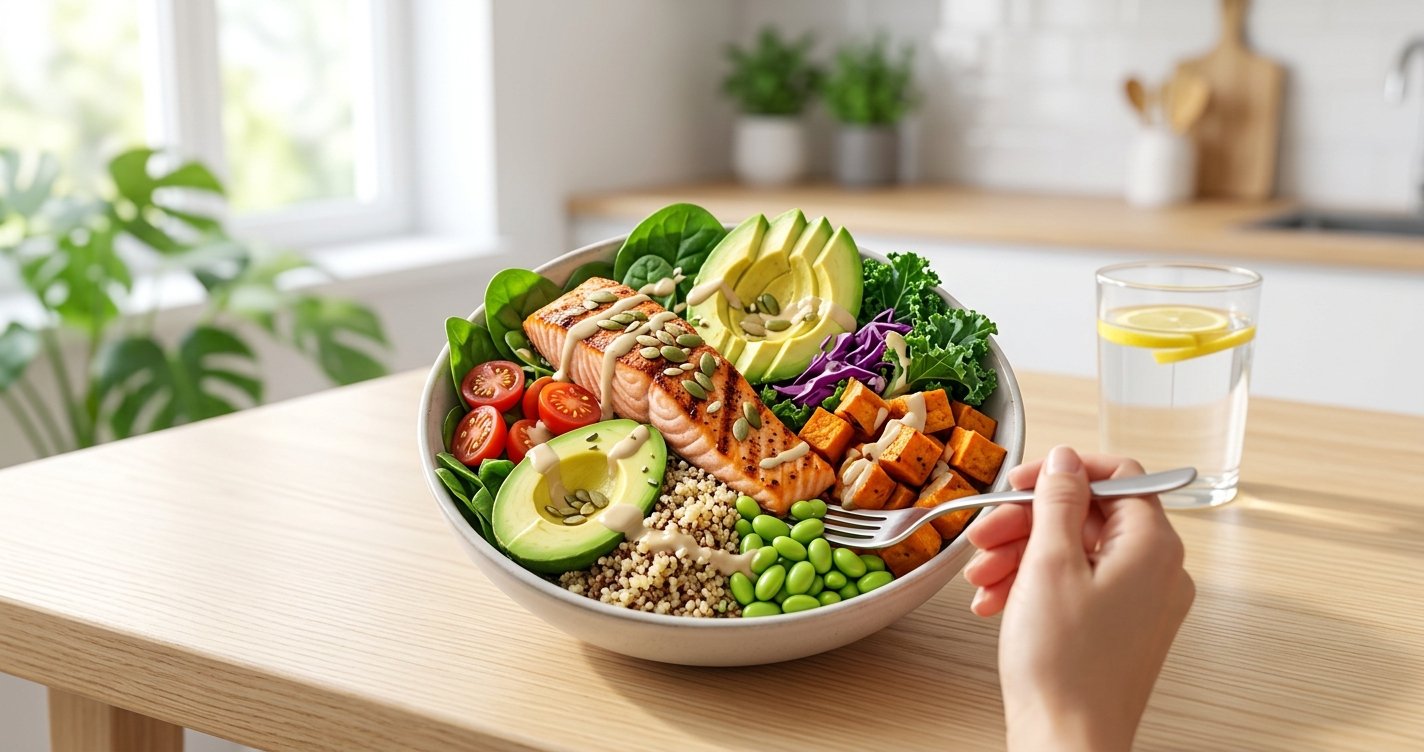
Your Sustainable Fat Loss Plate: A Quick Guide
Imagine your plate at each main meal:
- Half your plate: Non-starchy vegetables (broccoli, spinach, bell peppers, green beans).
- One-quarter of your plate: Lean protein (chicken breast, fish, tofu, lentils).
- One-quarter of your plate: Complex carbohydrates (sweet potato, brown rice, quinoa).
- A small portion: Healthy fats (avocado slices, a drizzle of olive oil, nuts/seeds).
This visual guide ensures you’re getting a balanced mix of nutrients to keep you full, energized, and on track for fat loss.
Conclusion: Embrace the Journey
Embarking on a sustainable fat loss journey means ditching the restrictive diet mentality and embracing a lifestyle of nourishing choices. By focusing on protein, fiber, smart carbs, and healthy fats, while practicing mindful eating and consistent habits, you're not just losing weight; you're gaining health, energy, and a positive relationship with food that will last a lifetime. Start small, be patient with yourself, and celebrate every step forward. Your body will thank you!