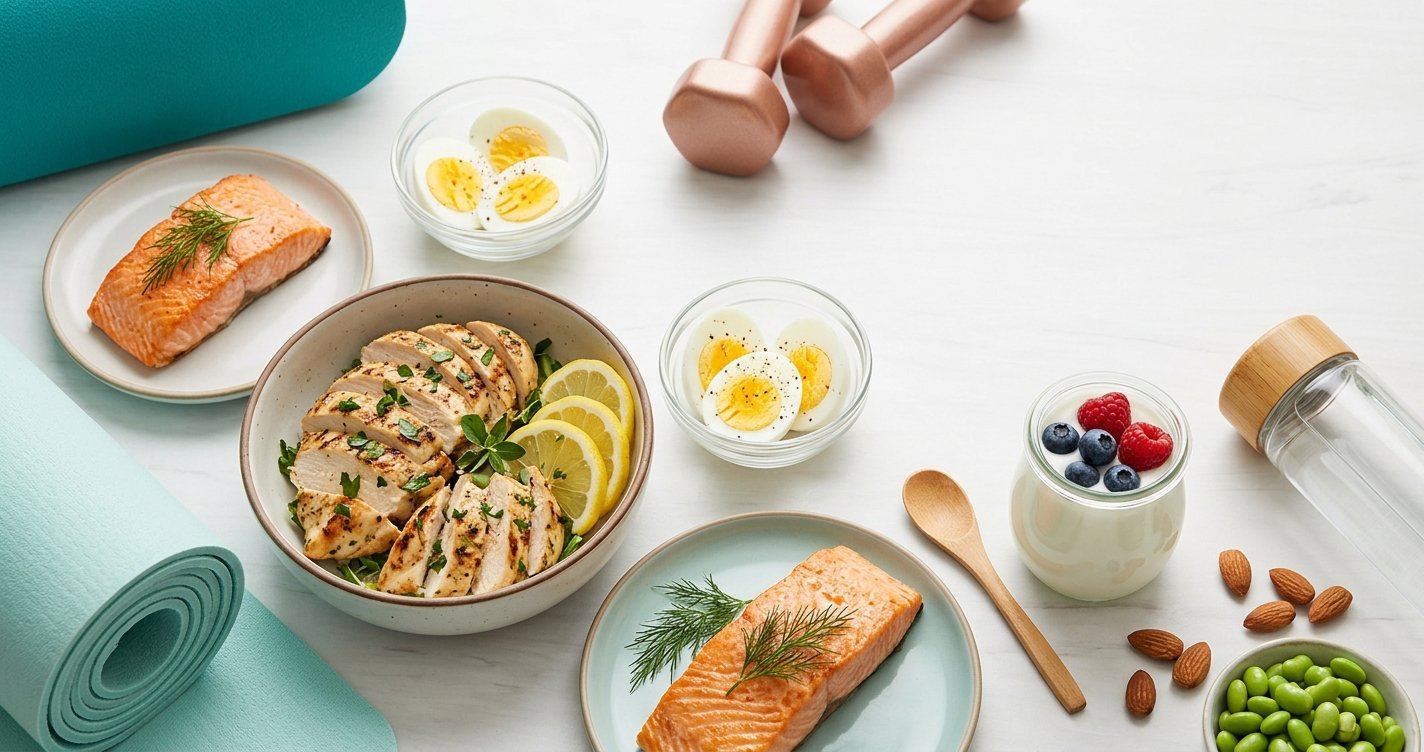
Are you tired of the endless cycle of restrictive diets that leave you feeling hungry, deprived, and ultimately, frustrated? Many approaches to fat loss focus solely on cutting calories, often overlooking a critical nutrient that can make all the difference: protein. It's not just for bodybuilders; protein is a powerful, science-backed tool that can help you achieve sustainable fat loss, feel fuller, and keep your metabolism revving.
In this comprehensive guide, we'll dive deep into why protein is your secret weapon for shedding unwanted fat and maintaining a healthy weight. We'll explore its incredible benefits, understand how much you truly need, and arm you with practical strategies to effortlessly incorporate more protein into your daily meals. Get ready to transform your approach to fat loss, making it more effective, enjoyable, and sustainable! this excellent wellness product
Why Protein is Your Fat Loss Superstar
When it comes to losing fat, protein isn't just another macronutrient; it's a game-changer. Unlike carbohydrates and fats, protein plays a unique and multifaceted role in your body that directly supports fat loss goals. From curbing your appetite to preserving muscle mass, protein works on several fronts to make your journey smoother and more successful. Let's break down its key benefits:
The Satiety Secret: Feeling Fuller, Longer
One of the biggest challenges in any fat loss journey is managing hunger and cravings. This is where protein truly shines! Protein has a remarkable ability to increase satiety, meaning it helps you feel full and satisfied for longer periods compared to carbohydrates or fats. This isn't just a feeling; it's backed by science.
When you consume protein, it triggers the release of specific hormones in your gut, such as PYY and GLP-1, which signal to your brain that you're full. Simultaneously, it helps to suppress ghrelin, often called the 'hunger hormone.' The result? Fewer hunger pangs, reduced cravings for unhealthy snacks, and a much easier time sticking to a calorie deficit without feeling deprived. Imagine going about your day without constantly thinking about your next meal – that's the power of protein!
Building & Protecting Muscle: The Metabolic Advantage
When you're trying to lose weight, you want to lose fat, not precious muscle. Unfortunately, during a calorie deficit, your body can sometimes break down muscle tissue for energy, which is counterproductive. Muscle is metabolically active, meaning it burns more calories at rest than fat does. The more muscle you have, the higher your resting metabolic rate (RMR), which translates to burning more calories even when you're just sitting on the couch!
Protein is essential for building and repairing muscle tissue. By consuming adequate protein, especially in conjunction with strength training, you help your body preserve existing muscle mass and even build new muscle, even while in a calorie deficit. This ensures that the weight you lose is primarily fat, helping you achieve a leaner, more toned physique and keeping your metabolism humming along efficiently.
The Thermic Effect of Food (TEF): Burn More Calories Just By Eating!
Did you know that your body expends energy just to digest, absorb, and metabolize the food you eat? This is known as the Thermic Effect of Food (TEF), and protein has the highest TEF of all the macronutrients. While carbohydrates typically have a TEF of 5-10% and fats around 0-3%, protein boasts a TEF of 20-30%. This means that for every 100 calories of protein you consume, your body uses 20-30 of those calories just to process it.
While it might seem like a small number, these calories add up over the course of a day, a week, and a month. A higher protein intake effectively boosts your daily calorie expenditure, giving you a slight metabolic advantage that contributes to fat loss without you having to do any extra exercise. It's like a mini calorie burn simply by enjoying your meals!
How Much Protein Do You Really Need for Fat Loss?
The recommended daily allowance (RDA) for protein is 0.8 grams per kilogram of body weight, but this is merely the minimum to prevent deficiency. For active individuals or those specifically aiming for fat loss, higher intakes are generally more beneficial. Research suggests that consuming between 1.6 to 2.2 grams of protein per kilogram of body weight (or roughly 0.7 to 1.0 grams per pound of body weight) is optimal for muscle preservation and satiety during a calorie deficit.
For example, if you weigh 70 kg (154 lbs), aiming for 112-154 grams of protein per day would be a great target. It's also important to distribute your protein intake throughout the day rather than consuming it all in one meal. Aim for 20-40 grams of protein per meal and snack to maximize muscle protein synthesis and keep hunger at bay.
Practical Protein Power-Ups: Integrating More Into Your Daily Diet
Increasing your protein intake doesn't have to be complicated or boring. With a few smart choices and simple swaps, you can easily boost your protein intake and reap all its fat-loss benefits.
Top Protein Sources:
- Lean Meats: Chicken breast, turkey, lean beef, pork tenderloin are excellent sources.
- Fish & Seafood: Salmon, tuna, cod, shrimp, and other varieties are packed with protein and often healthy fats.
- Eggs: The incredible edible egg is a complete protein, versatile, and affordable.
- Dairy: Greek yogurt, cottage cheese, milk, and whey protein are fantastic options.
- Legumes & Plant-Based: Lentils, beans, chickpeas, tofu, tempeh, and edamame are great for plant-based protein.
- Protein Powders: Whey, casein, or plant-based protein powders (pea, rice, soy) can be convenient for shakes and smoothies.
Meal Timing & Distribution:
Don't save all your protein for dinner! Spreading your protein intake evenly throughout the day is key. Start your day strong with a protein-rich breakfast, include protein in your lunch and dinner, and opt for protein-packed snacks.
Smart Swaps & Additions:
- Breakfast: Swap sugary cereals for Greek yogurt with berries, scrambled eggs with veggies, or a protein smoothie.
- Lunch/Dinner: Add grilled chicken or fish to your salads, incorporate lean ground meat into pasta sauces, or choose lentil soup as a starter.
- Snacks: Instead of chips, grab a handful of almonds, a hard-boiled egg, a scoop of cottage cheese, or a protein bar.
- Cooking: Use protein powder in oatmeal, pancake batter, or baked goods for an extra boost.
Beyond the Basics: Addressing Common Protein Concerns
Despite its benefits, protein sometimes gets a bad rap. Let's clear up some common misconceptions.
"Is High Protein Bad for My Kidneys?"
This is a frequently asked question, and for individuals with healthy kidneys, current scientific evidence suggests that a high-protein diet is generally safe and does not cause kidney damage. The concern primarily arises for those with pre-existing kidney disease, where protein intake may need to be managed under medical supervision. If you have any kidney conditions, always consult your doctor or a registered dietitian before significantly increasing your protein intake.
"Will I Get Too Bulky?"
Many, especially women, worry that increasing protein will automatically lead to a bulky physique. Rest assured, this is a myth! Building significant muscle mass requires intense, specific training and often a calorie surplus, along with genetic predispositions. For most people, a higher protein intake, especially during a fat loss phase, helps to preserve existing muscle and achieve a lean, toned look, not an overly muscular one. Protein is about supporting your body's composition, not turning you into a bodybuilder overnight.
Embrace Protein for Lasting Fat Loss
Making protein a cornerstone of your diet is one of the most effective and sustainable strategies for fat loss. It helps you feel full, protects your metabolism-boosting muscle, and even burns a few extra calories just by being digested.
By understanding its power and incorporating it strategically into your meals, you can move away from frustrating crash diets and embrace a more satisfying, evidence-based approach to achieving your body composition goals. Start today by making protein your fat loss partner – your body (and your hunger) will thank you!