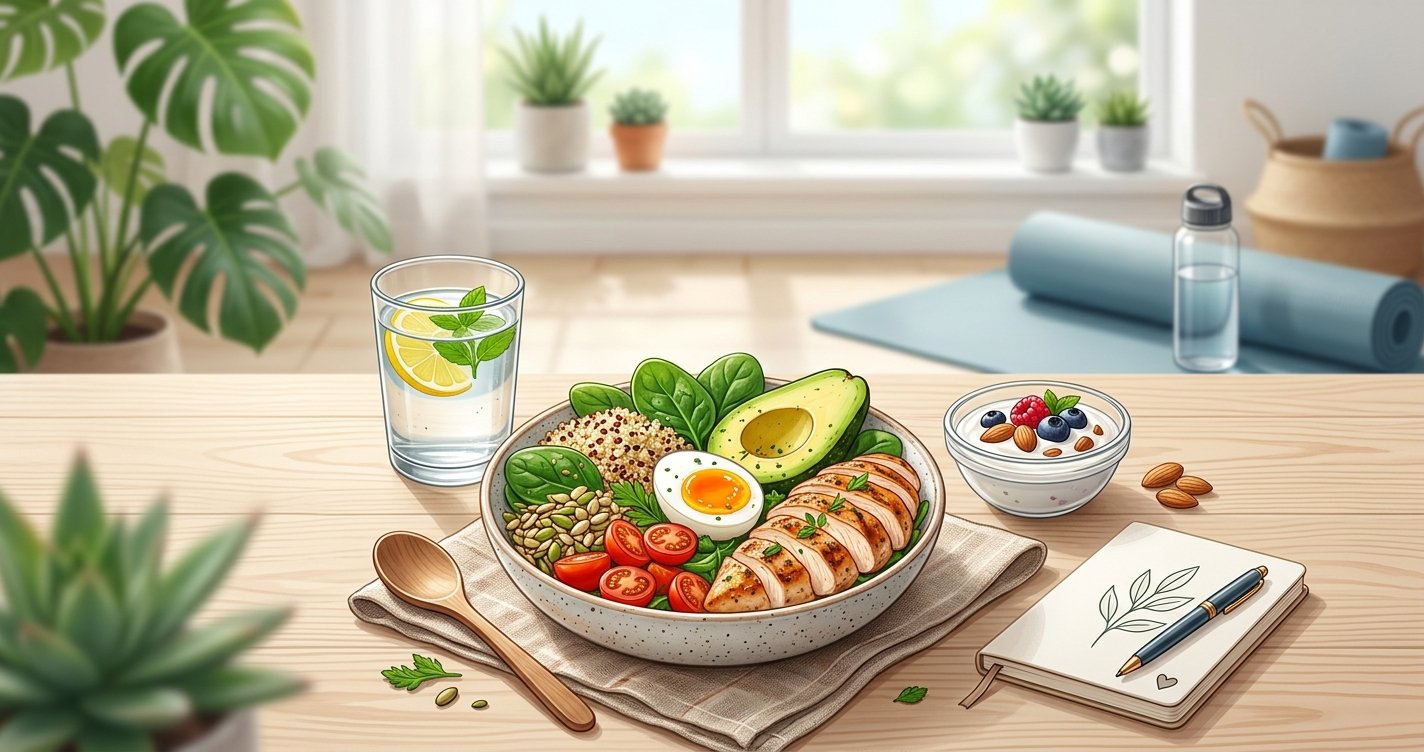
Are you tired of the endless cycle of restrictive diets, quick fixes, and disappointing results when it comes to fat loss? You're not alone. In a world saturated with fads and misinformation, it's easy to feel lost and frustrated. But what if we told you that sustainable, effective fat loss doesn't have to be complicated or punishing? It boils down to understanding two incredibly powerful, evidence-based principles: creating a smart calorie deficit and harnessing the mighty power of protein.
Forget the detox teas and extreme cleanses. This guide will walk you through a friendly, practical, and science-backed approach to shedding fat, preserving muscle, and building a healthier relationship with food. We'll explore why these two pillars are non-negotiable for lasting success and how you can implement them into your life without feeling deprived. this excellent wellness product
The Unshakeable Foundation: Understanding the Calorie Deficit
At its core, fat loss is a simple equation: you must consume fewer calories than your body expends. This state is known as a calorie deficit. Your body needs energy (calories) to perform all its functions, from breathing and thinking to exercising and digesting. If you consistently provide less energy than it needs, your body will tap into its stored energy reserves – primarily fat – to make up the difference. That's how fat loss happens.
Why a Calorie Deficit is Non-Negotiable
No matter what diet trend you follow – keto, paleo, low-carb, high-carb – if you're losing weight, it's because you're in a calorie deficit. The specific composition of your diet can influence how easily you achieve and sustain that deficit, but the deficit itself is the universal key.
How to Create a Smart Deficit
The goal isn't to starve yourself. An overly aggressive deficit can lead to muscle loss, nutrient deficiencies, fatigue, and make adherence impossible. A moderate deficit, typically 300-500 calories below your maintenance level, is often recommended for sustainable fat loss. Here's a simplified approach:
- Estimate Your Maintenance Calories: Online calculators (search for 'TDEE calculator') can give you a rough estimate of your Total Daily Energy Expenditure (TDEE) based on your age, weight, height, gender, and activity level.
- Subtract for a Deficit: Once you have your TDEE, subtract 300-500 calories. This is your target daily calorie intake for fat loss.
- Listen to Your Body: These are estimates. Pay attention to your hunger levels, energy, and how your body is responding over time. Adjust as needed.
The Mighty Macronutrient: Why Protein is Your Fat Loss Best Friend
While a calorie deficit dictates whether you lose weight, protein plays a crucial role in determining *what kind* of weight you lose. When you're in a deficit, your body can break down both fat and muscle for energy. Protein helps ensure you primarily lose fat while preserving precious muscle.
1. Super Satiety & Reduced Cravings
Protein is the most satiating macronutrient. This means it keeps you feeling fuller for longer compared to carbohydrates or fats. A high-protein meal can significantly reduce hunger pangs and curb those annoying cravings, making it much easier to stick to your calorie target without feeling constantly deprived.
2. Muscle Preservation is Key
Muscle tissue is metabolically active, meaning it burns more calories at rest than fat tissue. When you're losing weight, preserving muscle mass is vital for maintaining a healthy metabolism. Adequate protein intake provides the amino acids your body needs to repair and build muscle, signaling to your body to hold onto it, even in a deficit.
3. The Thermic Effect of Food (TEF)
Digesting food requires energy, and this is known as the Thermic Effect of Food (TEF). Protein has a significantly higher TEF than carbs or fats. This means your body burns more calories simply processing protein-rich foods, giving you a small but measurable metabolic advantage.
4. Practical Protein Targets & Sources
For fat loss, a common recommendation is to aim for 1.6 to 2.2 grams of protein per kilogram of body weight (or 0.7 to 1 gram per pound of body weight). Distribute your protein intake throughout the day across your meals and snacks.
Excellent Protein Sources:
- Animal-based: Lean meats (chicken breast, turkey, lean beef), fish (salmon, tuna, cod), eggs, dairy (Greek yogurt, cottage cheese).
- Plant-based: Lentils, beans, chickpeas, tofu, tempeh, edamame, quinoa, protein powders (soy, pea, rice).
Crafting Your Sustainable Calorie Deficit: Beyond Just Eating Less
It's not just about the numbers; it's about the quality of those calories and how you manage your eating habits.
1. Smart Food Choices: Nutrient Density Matters
Within your calorie target, prioritize whole, unprocessed foods. These are typically more nutrient-dense and filling. Think vegetables, fruits, lean proteins, and whole grains. They provide essential vitamins, minerals, and fiber, which support overall health and satiety.
2. Portion Control & Mindful Eating
Even healthy foods can contribute to excess calories if consumed in large quantities. Practice portion control and mindful eating: pay attention to your hunger and fullness cues, eat slowly, and savor your food. This helps prevent overeating and promotes a healthier relationship with food.
3. Tracking (Temporarily) for Awareness, Not Obsession
For many, using a food tracking app (like MyFitnessPal or Cronometer) for a few weeks can be incredibly insightful. It helps you understand the calorie and macronutrient content of your typical meals, revealing hidden calorie bombs or areas where you might be lacking protein. The goal is awareness, not lifelong meticulous tracking.
4. The Power of Consistency, Not Perfection
Fat loss is a marathon, not a sprint. Don't let one 'off' meal or day derail your entire progress. Consistency over weeks and months is far more important than achieving perfect adherence every single day. Aim for 80/20 – 80% on track, 20% flexibility.
Beyond Diet: Integrating Lifestyle for Enhanced Results
While nutrition is paramount, other lifestyle factors significantly impact your fat loss journey.
1. The Role of Strength Training
Incorporating resistance training (lifting weights) 2-4 times per week is crucial. It helps build and preserve muscle mass, which as we discussed, boosts your metabolism and contributes to a more toned physique. It also improves insulin sensitivity and overall body composition.
2. Prioritizing Sleep
Lack of sleep can wreak havoc on your hormones, increasing ghrelin (hunger hormone) and decreasing leptin (satiety hormone). Aim for 7-9 hours of quality sleep per night to support your body's natural fat-burning and recovery processes.
3. Stress Management
Chronic stress elevates cortisol levels, which can promote fat storage, especially around the midsection. Find healthy ways to manage stress, such as meditation, yoga, spending time in nature, or engaging in hobbies you enjoy.
4. Hydration
Drinking enough water is often overlooked but plays a vital role in metabolism, satiety, and overall health. Sometimes, thirst can be mistaken for hunger. Aim for 2-3 liters of water per day, more if you're active.
Common Pitfalls and How to Avoid Them
- Too Extreme a Deficit: Leads to muscle loss, nutrient deficiencies, fatigue, and rebound weight gain. Aim for moderation.
- Neglecting Protein: Risk losing muscle instead of fat. Prioritize protein at every meal.
- Lack of Patience: Fat loss is gradual. Celebrate small victories and trust the process.
- Ignoring Non-Scale Victories: Focus on more than just the number on the scale. Improved energy, better sleep, clothes fitting differently, and strength gains are all signs of progress.
- Over-reliance on Exercise: While great for health, you can't out-train a poor diet. Nutrition is king for fat loss.
Your Path to Sustainable Fat Loss Starts Now
Embarking on a fat loss journey can feel daunting, but by focusing on the proven principles of a smart calorie deficit and adequate protein intake, you're setting yourself up for success. This isn't about perfection; it's about making consistent, informed choices that build lasting habits.
Remember, your body is capable of incredible things. Treat it with kindness, fuel it wisely, and move it joyfully. Start small, be patient, and celebrate every step of your progress. You have the power to transform your body and your health, one mindful meal and one protein-packed choice at a time. Let's make sustainable fat loss a reality for you!