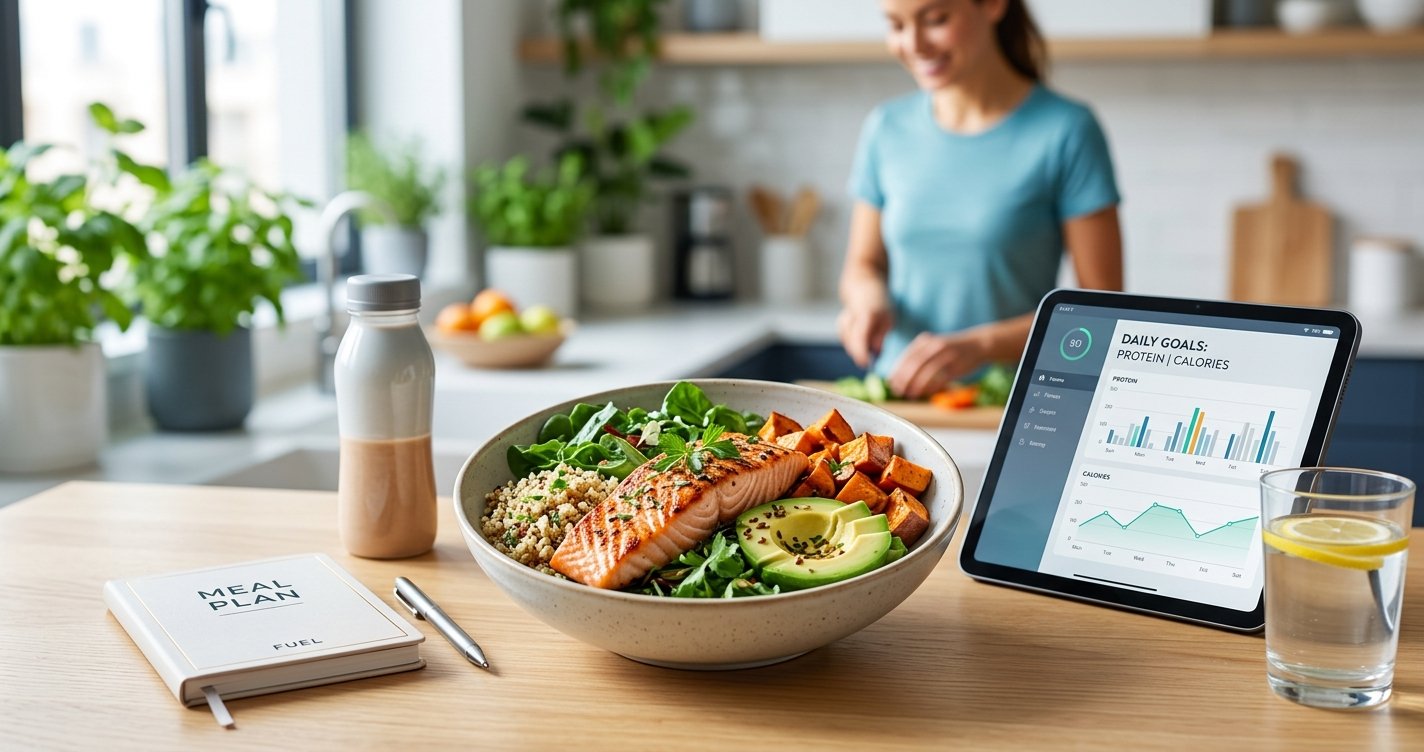
Are you tired of diet fads that promise quick fixes only to leave you feeling frustrated and back where you started? It’s a common story, and if it sounds familiar, you’re in the right place. Sustainable fat loss isn't about deprivation or extreme measures; it’s about understanding fundamental principles and building habits that last a lifetime. Today, we’re diving deep into two non-negotiable pillars of effective, long-term fat loss: the calorie deficit and the incredible power of protein. Get ready to transform your approach and achieve results you can truly maintain!
The Unshakeable Truth: Understanding the Calorie Deficit
At its core, fat loss boils down to one simple, scientific fact: you must consume fewer calories than your body burns. This is known as creating a “calorie deficit.” Think of your body as a car. If you put less fuel in than it uses to drive, it eventually has to tap into its reserve tank – in our case, stored body fat – for energy. There’s no way around this principle, no matter what miracle supplement or diet guru claims otherwise. this excellent wellness product
So, how do you create a smart, sustainable calorie deficit? It starts with understanding your Basal Metabolic Rate (BMR) – the calories your body burns at rest – and your Total Daily Energy Expenditure (TDEE), which includes your BMR plus the calories burned through activity. Online calculators can give you a good estimate. Once you have your TDEE, aim to create a deficit of 250-500 calories per day. This modest deficit allows for steady, healthy fat loss (typically 0.5-1 pound per week) without slowing your metabolism or zapping your energy levels. Remember, consistency over severity is the key to lasting success.
The Mighty Macronutrient: Why Protein is Your Fat Loss MVP
While a calorie deficit is the engine of fat loss, protein is the premium fuel that ensures that engine runs efficiently, preserving muscle and keeping you feeling great. Here’s why protein deserves star status in your diet:
1. Satiety & Reduced Cravings: Stay Fuller, Longer
One of protein’s greatest superpowers is its ability to keep you feeling full and satisfied. Research consistently shows that higher protein diets lead to greater satiety compared to diets lower in protein but equal in calories. This means fewer hunger pangs, reduced cravings for unhealthy snacks, and ultimately, easier adherence to your calorie deficit. Imagine sailing through your day without constant thoughts of food – that’s the protein advantage!
2. Muscle Preservation: Protect Your Metabolism
When you’re in a calorie deficit, your body doesn't just burn fat; it can also break down muscle tissue for energy. This is where protein steps in as your guardian. Adequate protein intake signals to your body to preserve precious muscle mass, which is crucial for maintaining a healthy metabolism. Muscle is metabolically active, meaning it burns more calories at rest than fat does. Protecting your muscle ensures your metabolism stays robust, making fat loss easier in the long run.
3. The Thermic Effect of Food (TEF): Burn More Calories Just By Eating
Believe it or not, your body uses energy to digest, absorb, and metabolize the food you eat. This is called the Thermic Effect of Food (TEF). Protein has the highest TEF of all macronutrients, meaning your body expends more calories digesting protein (20-30% of its caloric value) compared to carbohydrates (5-10%) or fats (0-3%). While not a massive calorie burner on its own, this extra metabolic boost adds up over time and gives protein another edge in your fat loss journey.
How Much Protein Do You Need?
For optimal fat loss and muscle preservation, aim for 1.6 to 2.2 grams of protein per kilogram of body weight per day. For most active individuals, this translates to roughly 0.7 to 1 gram per pound of body weight. Distribute your protein intake across all your meals and snacks to maximize its benefits. Excellent sources include lean meats (chicken, turkey, beef), fish, eggs, dairy products (Greek yogurt, cottage cheese), legumes, tofu, and protein powder.
Practical Strategies for Implementing Your Plan
Knowing the science is one thing; putting it into practice is another. Here are actionable tips to master your calorie deficit and boost your protein intake:
1. Track Smart, Not Hard (Initially)
For a few weeks, use a food tracking app (like MyFitnessPal or Cronometer) and a food scale. This isn't forever, but it’s invaluable for learning portion sizes and understanding the caloric and macronutrient content of your favorite foods. It builds awareness, which is the first step to making informed choices.
2. Prioritize Protein at Every Meal
Make protein the centerpiece of your plate. Start your day with eggs or Greek yogurt. Add chicken or fish to your lunch salad. Ensure your dinner includes a generous portion of lean protein. This simple shift will naturally increase your protein intake and improve satiety.
3. Smart Snacking for Success
If you need snacks, make them protein-rich. Think hard-boiled eggs, a handful of almonds, cottage cheese, a protein shake, or beef jerky. These options will keep you full and prevent energy crashes that lead to poor food choices.
4. Hydration is Key
Often overlooked, drinking plenty of water is vital. Sometimes, what feels like hunger is actually thirst. Water also aids metabolism and can help you feel fuller before and during meals.
5. Don't Forget Fiber-Rich Foods
While protein is king, fiber-rich fruits, vegetables, and whole grains complement its satiety effects. They add volume to your meals with minimal calories, support gut health, and further help control hunger.
Beyond the Numbers: The Importance of Mindset and Consistency
Fat loss is a journey, not a destination, and it requires patience and a positive mindset. You won’t see drastic changes overnight, and that’s okay! Celebrate small victories, track your progress beyond the scale (how your clothes fit, energy levels, strength), and understand that plateaus are a normal part of the process. Focus on consistency over perfection. One 'off' day won't derail your progress; it's what you do most of the time that truly counts.
Don't underestimate the role of sleep and stress management either. Poor sleep can disrupt hunger hormones, making it harder to stick to your deficit, and chronic stress can lead to increased cortisol and stubborn fat storage. Prioritize these often-neglected aspects of your well-being.
Common Pitfalls to Avoid on Your Fat Loss Journey
- Too Drastic a Deficit: Cutting too many calories can backfire, leading to extreme hunger, muscle loss, nutrient deficiencies, and metabolic slowdown. Stick to that 250-500 calorie sweet spot.
- Ignoring Hunger Signals (Always): While some hunger is normal in a deficit, chronic, debilitating hunger means your approach might be too aggressive or your protein/fiber intake is too low. Listen to your body.
- Over-reliance on “Diet Foods”: Many diet-marketed products are highly processed and lack the nutrients and satiety of whole foods. Focus on real, unprocessed ingredients.
- Neglecting Strength Training: While not the focus of this post, pairing your nutrition strategy with regular strength training is incredibly powerful. It builds muscle, which boosts your metabolism and improves body composition.
Your Path to Sustainable Fat Loss Starts Now
Embracing a calorie deficit and prioritizing protein are not temporary diets; they are sustainable lifestyle adjustments that empower you to take control of your body composition. This evidence-based approach removes the guesswork, allowing you to build a foundation for lasting results. Remember, be patient, be consistent, and be kind to yourself. Your journey to a healthier, leaner you is well within reach!