Tired of diet fads that promise the moon but deliver only frustration? You're not alone. Many people embark on a fat loss journey feeling overwhelmed by conflicting advice, extreme restrictions, and the dreaded rebound weight gain. But what if we told you that sustainable, effective fat loss doesn't have to be a battle against hunger and deprivation?
It's true! The secret lies in understanding two powerful, evidence-based pillars: a strategic calorie deficit and the incredible power of protein. Forget the quick fixes; we're diving into a friendly, practical, and highly effective approach to help you achieve lasting fat loss, feel energized, and build a healthier relationship with food. Let’s unlock the sustainable path to a leaner, stronger you! this excellent wellness product
Understanding the Core Principle: The Smart Calorie Deficit
At its heart, fat loss boils down to one fundamental truth: you need to consume fewer calories than your body burns. This is called a calorie deficit. While it sounds simple, the 'how' is where many go wrong, often opting for extreme cuts that are unsustainable and even detrimental.
What is a Calorie Deficit?
Your body uses energy (calories) for everything from breathing and thinking to exercising and digesting food. This total daily energy expenditure (TDEE) is unique to you. To lose fat, you need to eat slightly less than your TDEE. Think of it like balancing a budget: if you spend more than you earn, you go into debt. If you burn more calories than you consume, your body taps into its stored energy (fat) to make up the difference.
Why Extreme Restriction Backfires
While a deficit is necessary, an overly aggressive one can backfire spectacularly. Starving yourself might lead to rapid initial weight loss, but it often comes at a high cost:
- Muscle Loss: Your body might catabolize precious muscle tissue for energy, slowing your metabolism.
- Metabolic Adaptation: Your body adapts by slowing down its calorie-burning processes, making further fat loss harder.
- Intense Hunger & Cravings: Leading to unsustainable adherence and eventual binge eating.
- Nutrient Deficiencies & Low Energy: Impacting your health and quality of life.
The goal is a moderate deficit, typically 300-500 calories below your TDEE. This allows for steady fat loss (1-2 pounds per week) while preserving muscle, maintaining energy, and keeping hunger at bay.
Protein: Your Fat Loss MVP (Most Valuable Macronutrient)
If there's one nutrient you should prioritize for fat loss, it's protein. This powerhouse macronutrient plays multiple roles in helping you shed fat sustainably and effectively.
The Satiety Factor: Feeling Fuller, Longer
Protein is incredibly satiating. Compared to carbohydrates and fats, it takes longer to digest, keeping you feeling full and satisfied for extended periods. This natural appetite suppression means fewer cravings, less mindless snacking, and an easier time sticking to your calorie goals. Imagine going longer between meals without that gnawing hunger – that's the protein advantage!
Muscle Preservation: Protecting Your Metabolism
When you're in a calorie deficit, your body is looking for energy. Without sufficient protein, it can start breaking down muscle tissue for fuel, not just fat. This is a problem because muscle is metabolically active, meaning it burns more calories at rest than fat does. By consuming adequate protein, you signal to your body to preserve lean muscle mass, which helps maintain a higher resting metabolism and keeps your fat-burning engine revving.
The Thermic Effect of Food (TEF): Burning More Calories
Not all calories are created equal when it comes to digestion. Protein has the highest Thermic Effect of Food (TEF). This means your body expends more energy (calories) just to digest, absorb, and metabolize protein than it does for carbs or fats. While not a massive amount, it's a consistent, passive calorie burn that adds up over time, giving you a slight metabolic advantage.
How much protein? Aim for 0.7 to 1 gram of protein per pound of your target body weight (or lean body mass) daily. For example, if you weigh 150 lbs, aim for 105-150 grams of protein.
Crafting Your High-Protein, Smart-Calorie Plate
Knowing the 'why' is great, but the 'how' is what makes the difference. Here's how to structure your meals for optimal fat loss.
Prioritize Protein at Every Meal
Make protein the star of your plate. Distribute your protein intake throughout the day to maximize satiety and muscle protein synthesis. Think:
- Breakfast: Eggs, Greek yogurt, cottage cheese, protein smoothie.
- Lunch: Chicken breast, fish, lean beef, lentils, tofu, beans.
- Dinner: Similar to lunch, focusing on a lean protein source.
- Snacks: A handful of nuts, a protein bar, a hard-boiled egg.
Smart Carb and Healthy Fat Choices
While protein is paramount, don't demonize carbs and fats. They provide essential energy, nutrients, and contribute to satiety. Focus on:
- Complex Carbohydrates: Whole grains (oats, quinoa, brown rice), sweet potatoes, fruits. These provide sustained energy and fiber.
- Healthy Fats: Avocados, nuts, seeds, olive oil, fatty fish. These are crucial for hormone function and nutrient absorption. Portion control is key with fats as they are calorie-dense.
Fiber-Rich Vegetables for Volume and Nutrients
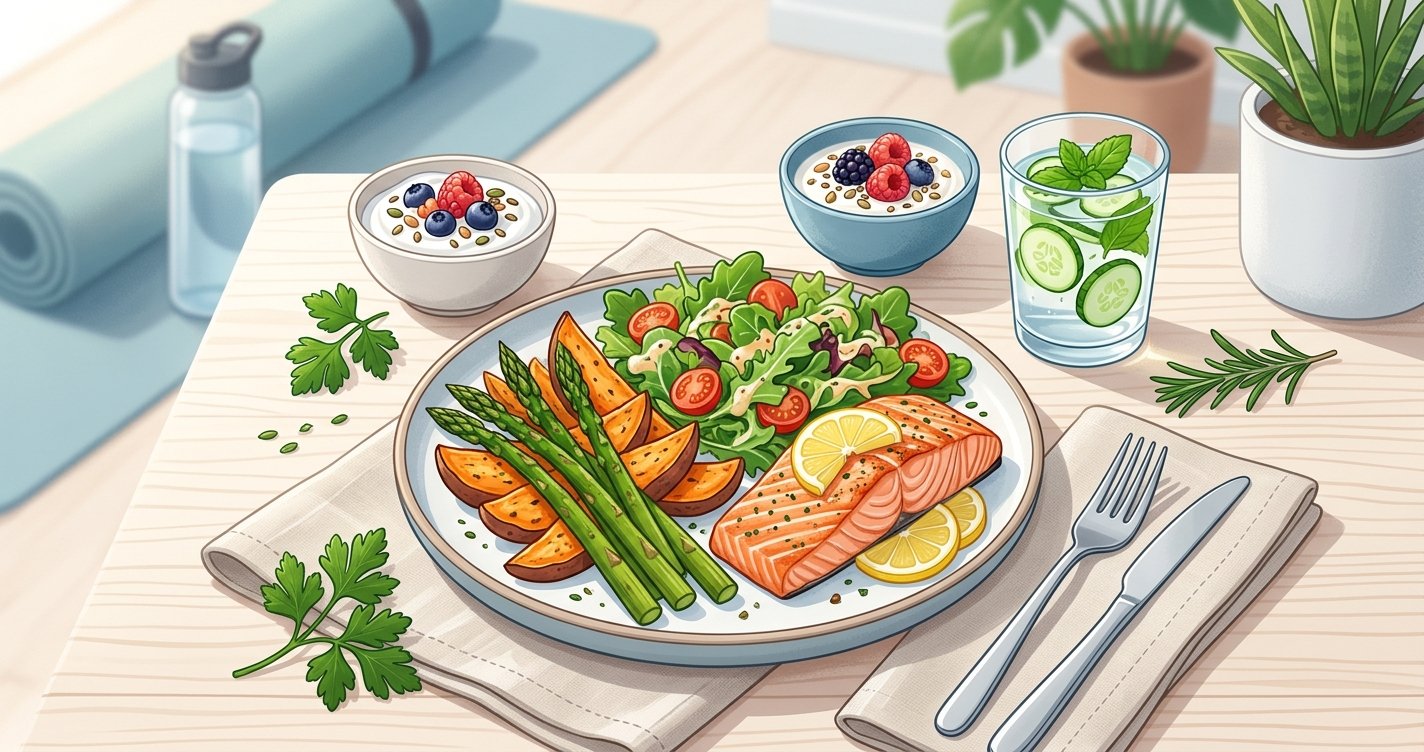
Fill half your plate with non-starchy vegetables like broccoli, spinach, bell peppers, asparagus, and leafy greens. They are low in calories, high in fiber (which aids satiety and digestion), and packed with vitamins and minerals crucial for overall health.
Beyond the Plate: Lifestyle Factors for Success
While nutrition is foundational, a holistic approach to fat loss incorporates other key lifestyle elements.
The Role of Strength Training
Strength training is your best friend for fat loss. It helps build and preserve muscle mass, which directly boosts your metabolism. The more muscle you have, the more calories you burn, even at rest. Aim for 2-4 sessions per week, focusing on compound movements.
Hydration and Sleep
- Hydration: Drinking plenty of water helps with satiety, metabolism, and overall bodily functions. Sometimes, thirst is mistaken for hunger.
- Sleep: Adequate sleep (7-9 hours) is crucial. Poor sleep can disrupt hunger hormones (ghrelin and leptin), increase cravings, and make fat loss significantly harder.
Stress Management and Mindful Eating
Chronic stress can elevate cortisol levels, which can promote fat storage, especially around the midsection. Find healthy ways to manage stress (meditation, walks, hobbies). Practicing mindful eating – paying attention to your body's hunger and fullness cues – can prevent overeating and foster a healthier relationship with food.
Common Pitfalls and How to Avoid Them
Even with the best intentions, it's easy to stumble. Here's how to navigate common challenges on your fat loss journey.
Underestimating Calorie Intake
Many people unknowingly eat more than they think, especially with calorie-dense foods, sauces, and drinks. Tracking your food intake, even for a few days, can provide valuable insight and awareness. Use a food scale for accuracy, at least initially.
Inconsistent Tracking (or lack thereof)
While not everyone needs to track forever, consistent monitoring of your food intake and progress (weight, measurements, photos) is crucial for accountability and making necessary adjustments. If the scale stalls, you can review your intake and tweak your deficit.
Neglecting Non-Scale Victories
The scale doesn't tell the whole story. Celebrate improved energy levels, better sleep, clothes fitting looser, increased strength, and a more positive mindset. These non-scale victories are powerful motivators and indicators of progress.
Making It Sustainable: Long-Term Success
Sustainable fat loss isn't about a finish line; it's about building habits that support a healthy lifestyle indefinitely.
Flexibility and Moderation
Life happens! Don't aim for perfection, aim for consistency. Allow for occasional treats and social meals. The 80/20 rule (eating healthily 80% of the time, allowing flexibility for the other 20%) can be incredibly effective for long-term adherence.
Listening to Your Body
Learn to differentiate between true hunger and emotional cravings. Pay attention to how different foods make you feel. This self-awareness is invaluable for maintaining a healthy weight and lifestyle.
Your Journey Starts Now!
Sustainable fat loss doesn't require extreme diets or endless cardio. By focusing on a smart, moderate calorie deficit and harnessing the power of protein, you can transform your body composition, boost your energy, and cultivate a healthier, happier you. Combine this with strength training, adequate sleep, and stress management, and you have a proven blueprint for success.
It's time to ditch the frustration and embrace an evidence-based approach that truly works. Start incorporating these principles today, and watch as you build a stronger, leaner, and more vibrant version of yourself!