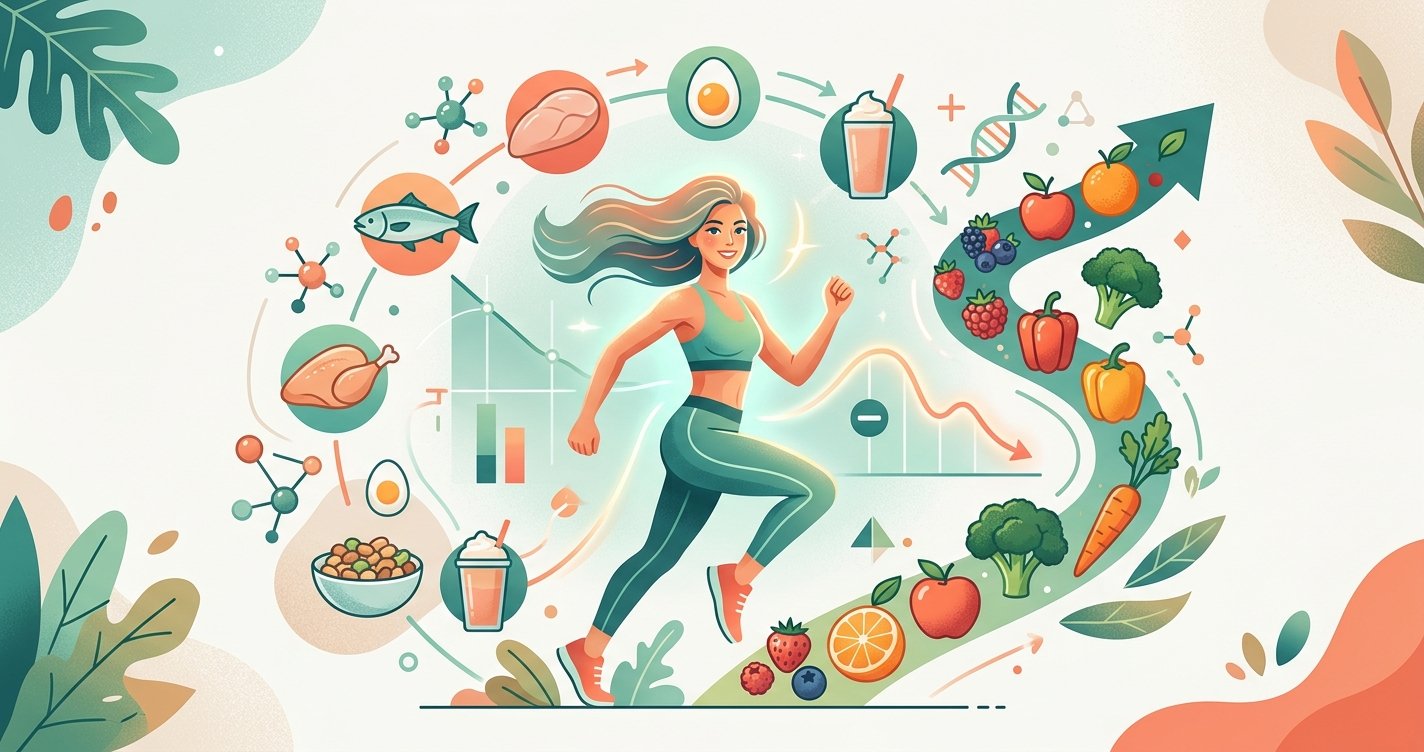
Are you tired of quick-fix diets and confusing fitness fads that promise the world but deliver fleeting results? If you’ve been on a quest for sustainable fat loss, you know how frustrating it can be to navigate the overwhelming sea of information out there. But what if we told you that at the heart of effective, long-term fat loss lie two fundamental, evidence-based principles that are simpler than you think: a smart calorie deficit and adequate protein intake?
Forget the detox teas and extreme cleanses. This isn't about deprivation; it's about understanding your body and fueling it intelligently. In this guide, we'll strip away the complexity and empower you with the knowledge to harness the power of protein and a strategic calorie deficit to achieve your fat loss goals, not just for a few weeks, but for life. Ready to build a healthier, stronger you? Let's dive in! this excellent wellness product
The Non-Negotiable Foundation: Understanding the Calorie Deficit
At its core, fat loss boils down to a fundamental energy equation: to lose fat, you must consume fewer calories than your body expends. This is known as creating a calorie deficit. It's not a myth, it's metabolic law. Your body needs a certain amount of energy (calories) to perform all its functions, from breathing and thinking to exercising. If you consistently provide less energy than it needs, your body will tap into its stored energy reserves – primarily body fat – to make up the difference.
Your TDEE: The Starting Point
Before you can create a deficit, you need to know your maintenance calories, or your Total Daily Energy Expenditure (TDEE). This is the estimated number of calories your body burns in a day. It factors in your Basal Metabolic Rate (BMR – calories burned at rest), your activity level, and the thermic effect of food. Online calculators can provide a good estimate, but remember, they are just a starting point. Listening to your body and tracking your progress will help you fine-tune this number.
Crafting a Smart Deficit, Not a Starvation Diet
Once you have your TDEE, you can subtract a reasonable number of calories to create your deficit. A common recommendation for sustainable fat loss is a deficit of 300-500 calories per day. This amount is usually enough to promote consistent fat loss (around 1-2 pounds per week for most individuals) without feeling overly deprived, compromising your energy levels, or risking significant muscle loss. Extreme deficits are often counterproductive, leading to nutrient deficiencies, energy crashes, poor adherence, and potentially even metabolic adaptations that make future fat loss harder.
Protein: Your Secret Weapon for Fat Loss
While a calorie deficit is the engine of fat loss, protein is the fuel that makes the journey smooth, efficient, and sustainable. It's often overlooked in favor of restrictive diets, but research consistently shows that a higher protein intake is profoundly beneficial when you're trying to shed body fat.
The Satiety Superpower
One of protein's most powerful attributes is its ability to keep you feeling full and satisfied. Compared to carbohydrates and fats, protein has the highest satiety index. This means that a protein-rich meal will make you feel fuller for longer, significantly reducing cravings and the likelihood of overeating. Imagine going about your day without constant hunger pangs – that's the protein advantage!
Protecting Your Hard-Earned Muscle
When you're in a calorie deficit, your body doesn't just burn fat; it can also break down muscle tissue for energy. This is where protein steps in as your guardian angel. Consuming adequate protein helps to preserve lean muscle mass during fat loss. Why is this crucial? Because muscle is metabolically active, meaning it burns more calories at rest than fat does. Losing muscle can slow down your metabolism, making it harder to maintain your fat loss long-term. Protein provides the amino acids necessary for muscle repair and growth, especially when combined with resistance training.
The Thermic Effect Advantage
Did you know your body actually burns calories just to digest food? This is called the Thermic Effect of Food (TEF). And guess which macronutrient has the highest TEF? You guessed it – protein! Approximately 20-30% of the calories from protein are burned during digestion and absorption, compared to 5-10% for carbs and 0-3% for fats. While not a massive factor on its own, this additional calorie burn contributes to your overall daily energy expenditure, subtly helping you deepen your calorie deficit.
Putting It All Together: Practical Strategies for Success
Knowing the science is one thing; applying it is another. Here’s how you can strategically integrate a calorie deficit and ample protein into your daily life for maximum fat loss results.
Embrace Meal Planning & Tracking (Mindfully!)
Planning your meals in advance can be a game-changer. It helps you make healthier choices, ensures you're hitting your protein targets, and makes it easier to stay within your calorie deficit. Many free apps can help you track your food intake, providing valuable insight into your current eating habits. Remember, tracking is a tool for awareness, not a rigid rulebook for perfection. Use it to learn, adjust, and understand portion sizes.
Make Every Meal a Protein Powerhouse
Aim to include a good source of lean protein at every meal and snack. This helps with satiety throughout the day and ensures a consistent supply of amino acids for muscle preservation. Think grilled chicken, fish, lean beef, eggs, Greek yogurt, cottage cheese, tofu, lentils, and protein powder. For most active individuals aiming for fat loss, a target of 1.6-2.2 grams of protein per kilogram of body weight (or 0.7-1 gram per pound) is an excellent guideline.
- Breakfast: Scrambled eggs with spinach, Greek yogurt with berries, or a protein smoothie.
- Lunch: Large salad with grilled chicken or chickpeas, turkey and veggie wrap.
- Dinner: Baked salmon with roasted vegetables, lean ground beef stir-fry.
- Snacks: Cottage cheese, a handful of almonds, hard-boiled eggs, protein bar.
Don't Forget Fiber and Hydration
While protein is paramount, don't neglect other crucial components. Fiber-rich foods (fruits, vegetables, whole grains, legumes) also contribute significantly to satiety and digestive health. And often overlooked, staying adequately hydrated is essential. Sometimes, what you perceive as hunger is actually thirst. Drink plenty of water throughout the day to support your metabolism and overall well-being.
Beyond Calories & Protein: Lifestyle Factors
While nutrition is king for fat loss, other lifestyle factors play supporting roles that can either enhance or hinder your progress.
- Quality Sleep: Lack of sleep can disrupt hunger-regulating hormones (ghrelin and leptin), making you hungrier and more prone to cravings. Aim for 7-9 hours of quality sleep per night.
- Stress Management: Chronic stress elevates cortisol levels, which can promote fat storage, particularly around the midsection. Find healthy ways to manage stress, such as meditation, yoga, or spending time in nature.
- Regular Movement: While not strictly necessary for creating a calorie deficit, regular physical activity, especially resistance training, significantly aids fat loss by building muscle and increasing your TDEE.
- Consistency Over Perfection: Fat loss is a journey, not a sprint. There will be days when you deviate from your plan. Don't let one 'off' meal or day derail your entire progress. Get back on track with your next meal and learn from the experience.
Common Pitfalls and How to Avoid Them
Even with the best intentions, it's easy to stumble. Be mindful of these common traps:
- Too Drastic a Deficit: As mentioned, extreme cuts are unsustainable and can lead to muscle loss and nutrient deficiencies. Slow and steady wins the race.
- Underestimating Calories: Those extra splashes of oil, handfuls of nuts, or bites of a coworker's snack can quickly add up. Be honest and accurate with your tracking.
- Ignoring Hunger Cues: While a deficit means some hunger, persistent, debilitating hunger is a sign your deficit might be too large or your protein intake too low. Adjust accordingly.
- Giving Up Too Soon: Fat loss takes time. Celebrate small victories, track non-scale progress (how your clothes fit, energy levels), and be patient with yourself.
Your Sustainable Fat Loss Journey Starts Now!
You now have the fundamental tools to embark on a truly sustainable fat loss journey. By understanding the critical role of a calorie deficit and strategically prioritizing protein, you're not just losing weight; you're building a healthier relationship with food, preserving muscle, and setting yourself up for long-term success.
Remember, this isn't about perfection, but about consistent, informed effort. Start small, be patient, and celebrate every step forward. Your body is an incredible machine – fuel it wisely, train it consistently, and watch it transform. You've got this!