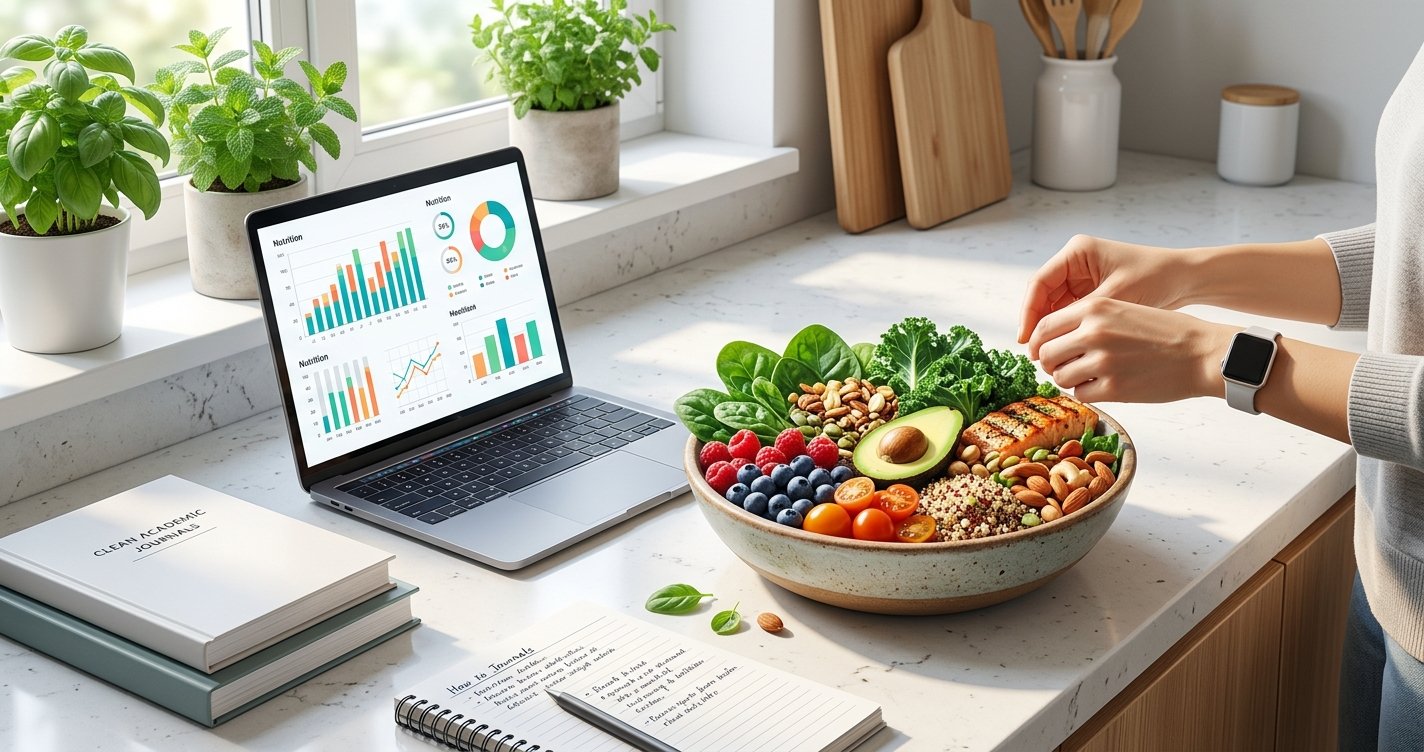
Tired of Fad Diets? Unlock Sustainable Fat Loss with Smart Nutrition!
The journey to fat loss can often feel like navigating a maze of conflicting advice, restrictive diets, and promises of quick fixes. But what if we told you that sustainable fat loss isn't about deprivation, but about making smart, evidence-based nutritional choices that fuel your body, keep you satisfied, and support your long-term health? Forget the extreme cleanses and magic pills; it's time to build a foundation of habits that actually work, championed by science and designed for real life.
This guide will cut through the noise, providing you with practical, friendly, and scientifically-backed strategies to optimize your nutrition for effective and sustainable fat loss. We'll explore the core principles that truly matter, from understanding your energy balance to harnessing the power of protein and fiber, ensuring your journey is both enjoyable and successful. this excellent wellness product
The Undeniable Truth: Understanding Your Calorie Deficit
At its heart, fat loss boils down to one fundamental principle: consuming fewer calories than your body burns. This state, known as a calorie deficit, forces your body to tap into its stored fat reserves for energy. While seemingly simple, it's the bedrock upon which all successful fat loss strategies are built.
Think of it like this: your body has a daily energy expenditure (your Total Daily Energy Expenditure, or TDEE) which includes your basal metabolic rate (energy for basic functions), physical activity, and the energy used to digest food. To lose fat, you need to consistently eat slightly below your TDEE. However, this isn't just about eating less; it's about eating smarter. The quality of your calories profoundly impacts your hunger levels, energy, and overall health, making your deficit journey either a struggle or a sustainable path.
Power Up with Protein: Your Fat Loss MVP
If there's one macronutrient that deserves superstar status in your fat loss journey, it's protein. Beyond just building muscle, protein plays a critical, multifaceted role in helping you shed unwanted fat and maintain a healthy body composition.
Why Protein Reigns Supreme:
- Satiety & Fullness: Protein is incredibly filling. Including adequate protein in your meals helps you feel fuller for longer, reducing the urge to snack unnecessarily and making it easier to stick to your calorie goals.
- Muscle Preservation: When you're in a calorie deficit, your body can sometimes break down muscle tissue for energy, not just fat. High protein intake helps to signal your body to preserve precious muscle mass, which is crucial because muscle is more metabolically active than fat, meaning it burns more calories even at rest.
- Thermic Effect of Food (TEF): Your body uses energy to digest, absorb, and metabolize food. Protein has the highest TEF compared to carbs and fats, meaning you burn more calories simply by eating and processing protein-rich foods.
Aim for around 1.6 to 2.2 grams of protein per kilogram of body weight daily, distributed across your meals. Excellent sources include lean meats (chicken, turkey, beef), fish, eggs, dairy products (Greek yogurt, cottage cheese), legumes (lentils, beans), tofu, and protein powders.
Embrace Fiber: The Unsung Hero of Fullness and Gut Health
While protein often takes the spotlight, fiber is another nutritional powerhouse that deserves your full attention for sustainable fat loss. This complex carbohydrate, found in plant foods, offers a wealth of benefits that directly support your weight management goals.
Fiber adds bulk to your meals without adding significant calories. It slows down digestion, leading to a more gradual release of glucose into your bloodstream and promoting prolonged feelings of fullness. This extended satiety is invaluable in preventing overeating and managing cravings. Beyond just fullness, fiber is a crucial component of a healthy gut microbiome, feeding beneficial gut bacteria which are increasingly linked to overall health and even weight regulation.
Integrate plenty of fruits, vegetables, whole grains (oats, quinoa, brown rice), legumes, nuts, and seeds into your diet. Aim for 25-35 grams of fiber per day to reap these incredible benefits.
Navigating Carbs and Fats: Quality Over Quantity
Carbohydrates and fats have often been demonized in various diet trends, but in truth, both are essential for your health and can absolutely be part of a successful fat loss strategy. The key lies in choosing the right types and managing your portions.
Smart Carb Choices:
Not all carbohydrates are created equal. While highly processed, sugary carbs can lead to energy crashes and increased hunger, complex carbohydrates provide sustained energy and vital nutrients. Focus on:
- Whole Grains: Oats, quinoa, brown rice, whole-wheat bread and pasta provide fiber and sustained energy.
- Fruits: Rich in vitamins, minerals, antioxidants, and fiber. Enjoy a variety in moderation.
- Vegetables: Non-starchy vegetables (leafy greens, broccoli, bell peppers) are incredibly low in calories, high in nutrients, and packed with fiber, making them perfect for volume eating.
- Legumes: Beans, lentils, and chickpeas offer a great combination of complex carbs, protein, and fiber.
Limit your intake of refined carbohydrates like sugary drinks, white bread, pastries, and processed snacks, which offer little nutritional value and can hinder your progress.
The Good Fat Story:
Dietary fats are crucial for hormone production, nutrient absorption, and overall cellular function. They also contribute significantly to satiety. However, fats are calorie-dense, so portion control is paramount.
- Healthy Fat Sources: Avocados, nuts, seeds (chia, flax, pumpkin), olive oil, and fatty fish (salmon, mackerel) are excellent sources of monounsaturated and polyunsaturated fats, including essential omega-3s.
These healthy fats help keep you feeling satisfied and support vital bodily functions, ensuring your body is working optimally even in a calorie deficit.
Beyond the Plate: Hydration and Mindful Eating
While focusing on macronutrients is crucial, two often-overlooked aspects of nutrition play a significant role in fat loss: hydration and mindful eating.
Hydration Habits:
Water is essential for virtually every bodily function, including metabolism. Staying well-hydrated can also aid in fat loss by:
- Promoting Satiety: Sometimes, our bodies confuse thirst with hunger. Drinking a glass of water before meals can help you feel fuller and potentially eat less.
- Supporting Metabolism: Proper hydration ensures your metabolic processes run efficiently.
Aim for at least 8 glasses of water a day, and more if you're active or in a hot climate.
Mindful Munching:
Mindful eating is about paying attention to your body's hunger and fullness cues, savoring your food, and eating without distraction. This practice can help you:
- Recognize True Hunger: Distinguish between physical hunger and emotional eating or boredom.
- Prevent Overeating: By eating slowly and paying attention, you give your body time to register fullness signals.
- Enhance Enjoyment: Savoring your meals can lead to greater satisfaction with less food.
Put away your phone, turn off the TV, and truly engage with your meal. Notice the flavors, textures, and smells. It’s a game-changer for your relationship with food.
Practical Strategies for Long-Term Success
Knowledge is power, but consistent action is what drives results. Here are some practical tips to integrate these nutritional principles into your daily life for sustainable fat loss:
- Meal Planning & Prep: Dedicate time each week to plan your meals and snacks. Preparing some components in advance can save time and prevent impulsive unhealthy choices when hunger strikes.
- Portion Control: Learn what a healthy portion looks like. Use smaller plates, measure out calorie-dense foods, and pay attention to serving sizes.
- Track Your Intake (Initially): For a few weeks, use an app to track your food intake. This builds awareness of your calorie and macronutrient consumption, helping you understand where you can make adjustments. You don't have to do it forever, just long enough to learn.
- Smart Snacking: If you need snacks, choose options rich in protein and fiber, like Greek yogurt with berries, a handful of almonds, or vegetable sticks with hummus.
- Learn to Read Labels: Understand nutritional labels to make informed choices about packaged foods. Look for hidden sugars and unhealthy fats.
- Consistency, Not Perfection: It's okay to have an off day or enjoy a treat. One meal or even one day won't derail your progress. The key is to get back on track with your healthy habits consistently.
Your Journey to a Stronger, Healthier You
Sustainable fat loss isn't a race; it's a journey of consistent, informed choices that build a healthier lifestyle. By focusing on a calorie deficit, prioritizing protein and fiber, making smart carb and fat choices, staying hydrated, and practicing mindful eating, you're not just losing fat – you're building a stronger, more vibrant, and more resilient you.
Embrace these evidence-based principles with patience and kindness to yourself. You have the power to transform your body and your health, one delicious, nutritious meal at a time. You've got this!