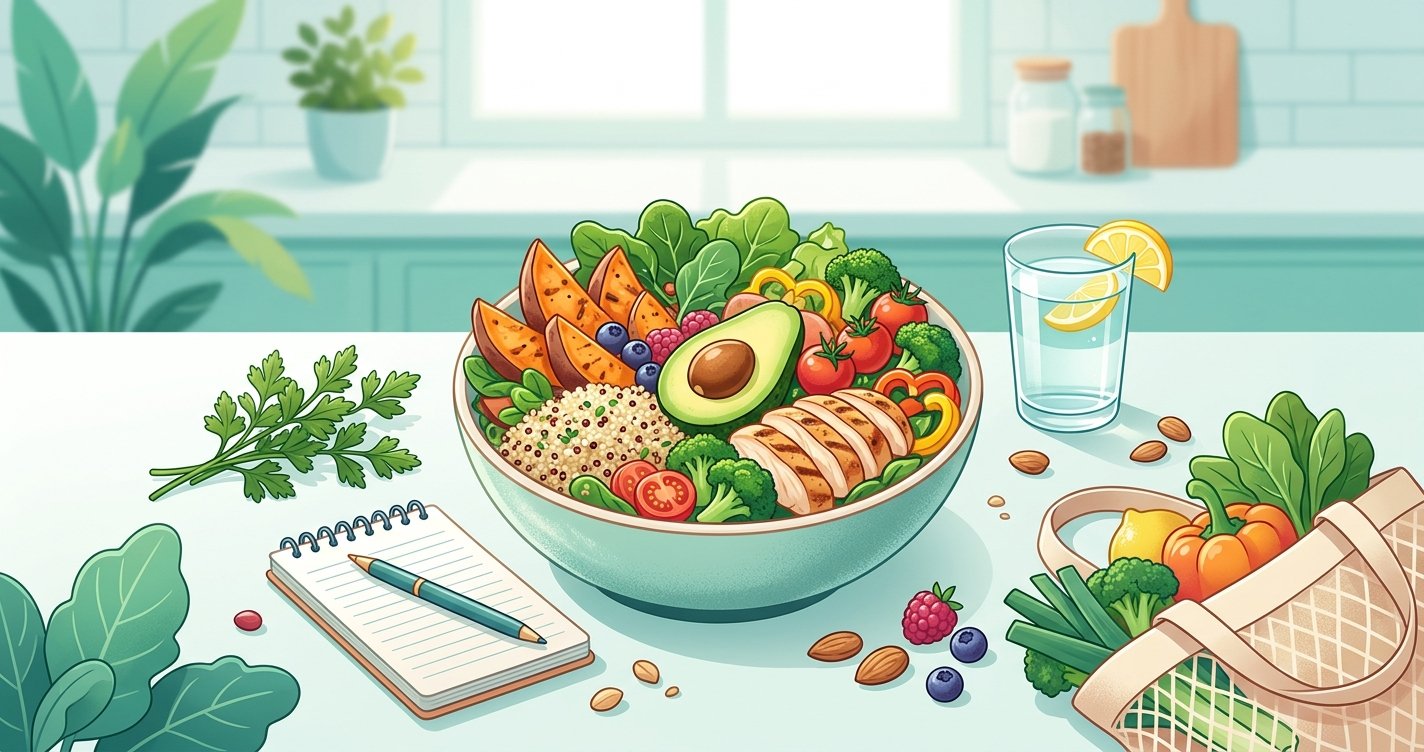
Fuel Your Fat Loss: Simple, Sustainable Nutrition Strategies That Work
Let's be honest: the world of fat loss can feel overwhelming, riddled with quick fixes, restrictive diets, and conflicting advice. You've probably tried a few, maybe even seen some initial results, only to find yourself back where you started, feeling frustrated and defeated. Sound familiar? You're not alone.
The truth is, sustainable fat loss isn't about deprivation or magic pills. It's about building smart, consistent nutrition habits that nourish your body, keep you feeling satisfied, and fit seamlessly into your life. It's a journey of understanding, not restriction. In this friendly, evidence-based guide, we'll cut through the noise and equip you with practical, sustainable nutrition strategies designed to help you achieve lasting fat loss without sacrificing your well-being. Let's ditch the crash diets and embrace a smarter, healthier approach! this excellent wellness product
The Foundation: Understanding Calorie Deficit (Without Obsession)
At its core, fat loss boils down to one fundamental principle: a calorie deficit. This simply means you need to consume slightly fewer calories than your body burns over time. When your body doesn't get enough energy from food, it taps into its stored energy reserves – your body fat – to make up the difference.
Now, before you reach for the calculator and start meticulously counting every single morsel, let's take a deep breath. A calorie deficit doesn't mean starving yourself. In fact, extreme restriction is often counterproductive, leading to nutrient deficiencies, muscle loss, metabolic slowdown, and an inevitable rebound. The goal is a modest, sustainable deficit that allows your body to gently tap into fat stores while still providing ample energy and nutrients. Think of it as a subtle energy balance shift, not an aggressive cut. We achieve this most effectively by focusing on nutrient-dense foods that naturally fill you up without excessive calories, rather than just cutting calories from any source.
Protein Power: Your Best Friend for Fat Loss
If there's one macronutrient you should prioritize for fat loss, it's protein. Protein is an absolute powerhouse for several reasons:
- Satiety Superstar: Protein is incredibly filling. Including adequate protein in your meals helps you feel fuller for longer, reducing cravings and preventing overeating.
- Muscle Preservation: When you're in a calorie deficit, your body can sometimes break down muscle tissue for energy. A higher protein intake helps to protect your precious muscle mass, which is crucial because muscle burns more calories at rest than fat.
- Thermic Effect of Food (TEF): Protein has a higher TEF than carbs or fats, meaning your body burns more calories just to digest and metabolize it. It's a small but significant metabolic boost!
Aim to include a good source of lean protein at every meal. Think chicken breast, turkey, lean beef, fish, eggs, Greek yogurt, cottage cheese, legumes, tofu, and tempeh.
Smart Carbs and Healthy Fats: Fueling Your Body Right
Often demonized, carbohydrates and fats are essential for optimal health and can absolutely be part of a successful fat loss strategy. The key is choosing the right kinds.
Embracing Smart Carbohydrates
Not all carbs are created equal. Instead of refined sugars and processed grains (like white bread, pastries, sugary drinks) that cause rapid blood sugar spikes and crashes, focus on complex carbohydrates. These are rich in fiber, provide sustained energy, and keep your blood sugar stable.
- Sources: Whole grains (oats, brown rice, quinoa, whole-wheat bread), fruits (berries, apples, bananas), and starchy vegetables (sweet potatoes, squash).
- Benefit: They fuel your workouts, support brain function, and their fiber content contributes to satiety.
The Essential Role of Healthy Fats
Fats are vital for hormone production, nutrient absorption, and also contribute significantly to satiety. While fats are calorie-dense, healthy fats in moderation are crucial for overall health and don't hinder fat loss.
- Sources: Avocados, nuts, seeds (chia, flax, hemp), olive oil, fatty fish (salmon, mackerel), and eggs.
- Benefit: They help you feel satisfied after meals, prevent cravings, and provide essential fatty acids like Omega-3s.
The Magic of Fiber: Feel Fuller, Longer
Fiber is truly an unsung hero in the world of fat loss. Often overlooked, this incredible nutrient plays multiple roles in helping you achieve your goals:
- Super Satiety: Fiber adds bulk to your meals without adding calories, helping you feel incredibly full and satisfied. This is a game-changer for reducing overall calorie intake naturally.
- Blood Sugar Control: Soluble fiber helps to slow down the absorption of sugar into your bloodstream, preventing those energy crashes and subsequent cravings often associated with refined carbohydrates.
- Gut Health: Fiber feeds your beneficial gut bacteria, which can influence metabolism, mood, and overall well-being. A healthy gut is a happy gut, and often a healthier body composition.
Boost your fiber intake by loading up on fruits, vegetables (especially leafy greens), legumes (beans, lentils), and whole grains. Aim for 25-30 grams per day.
Mindful Eating: Beyond What's on Your Plate
While what you eat is important, how you eat can be equally impactful for fat loss. Mindful eating is about paying attention to your food, your body's signals, and your eating experience without judgment.
- Tune into Hunger & Fullness Cues: Learn to differentiate between true physical hunger and emotional hunger. Eat when you're moderately hungry, and stop when you're comfortably full, not stuffed.
- Slow Down: It takes about 20 minutes for your stomach to signal to your brain that you're full. Eating slowly gives your body time to register satiety. Put your fork down between bites, savor the flavors, and chew thoroughly.
- Minimize Distractions: Avoid eating in front of the TV, computer, or phone. When your mind is elsewhere, you're more likely to overeat and less likely to enjoy your meal.
- Address Emotional Eating: If you often eat due to stress, boredom, or sadness, try to identify these triggers. Find alternative coping mechanisms that don't involve food, such as taking a walk, calling a friend, or practicing deep breathing.
Mindful eating helps you build a healthier relationship with food, leading to more conscious choices and sustainable results.
Hydration and Sleep: The Often-Forgotten Pillars of Fat Loss
You might be focused on food, but two other crucial elements often get overlooked in the fat loss equation: water and sleep.
Drink Up! The Power of Water
Water is essential for virtually every bodily function, and it plays a surprising role in fat loss:
- Satiety Boost: Sometimes, thirst can be mistaken for hunger. Drinking a glass of water before meals can help you feel fuller and potentially eat less.
- Metabolism Support: Water is vital for metabolic processes. Even mild dehydration can slow down your metabolism.
- Detoxification: Proper hydration helps your body flush out waste products, keeping everything running smoothly.
Aim for at least 8 glasses (around 2 liters) of water a day, and more if you're active or in a hot climate.
Rest Your Way to Results: The Importance of Sleep
Lack of sleep can sabotage your fat loss efforts in multiple ways:
- Hormonal Havoc: Insufficient sleep disrupts ghrelin (the hunger hormone) and leptin (the satiety hormone), making you feel hungrier and less satisfied. It also increases cortisol, a stress hormone linked to increased belly fat storage.
- Reduced Energy & Willpower: When you're tired, you're less likely to have the energy for workouts and more likely to crave quick-fix sugary foods. Your willpower to make healthy choices also diminishes.
Prioritize 7-9 hours of quality sleep each night. Create a relaxing bedtime routine and make your bedroom a sleep sanctuary.
Practical Tips for Sustainable Success
Knowledge is power, but application is what brings results. Here are some practical tips to weave these strategies into your daily life:
- Plan Ahead (Meal Prep): Spend a little time each week planning your meals and snacks. Prepare some components in advance (e.g., cook a batch of quinoa, chop veggies, grill chicken). This reduces decision fatigue and ensures healthy options are always available.
- Portion Awareness: You don't need to measure everything forever, but understanding appropriate portion sizes can be incredibly insightful. Use smaller plates, and pay attention to serving sizes on food labels.
- Focus on Small, Consistent Changes: Don't try to overhaul everything at once. Pick one or two strategies to focus on for a week or two, master them, and then add another. Small, consistent changes lead to big, sustainable results.
- Don't Seek Perfection: Life happens! There will be days you don't eat perfectly, or you miss a workout. That's okay. One 'off' meal or day doesn't derail your entire journey. Get back on track with your next meal, and don't let guilt take over.
- Listen to Your Body: Your body is constantly giving you signals. Pay attention to how different foods make you feel, what gives you energy, and what leaves you sluggish. This personalized feedback is invaluable.
Embrace the Journey to a Healthier You
Sustainable fat loss through nutrition isn't about rigid rules; it's about making informed, empowering choices that support your body and your goals. By focusing on nutrient-dense foods, prioritizing protein and fiber, practicing mindful eating, and ensuring adequate hydration and sleep, you're not just losing weight – you're building a foundation for lifelong health and well-being.
Remember, this is a journey, not a race. Be patient with yourself, celebrate small victories, and approach your body with kindness and consistency. You have the power to fuel your body for success. Start today, one smart choice at a time, and watch yourself transform from the inside out. You've got this!