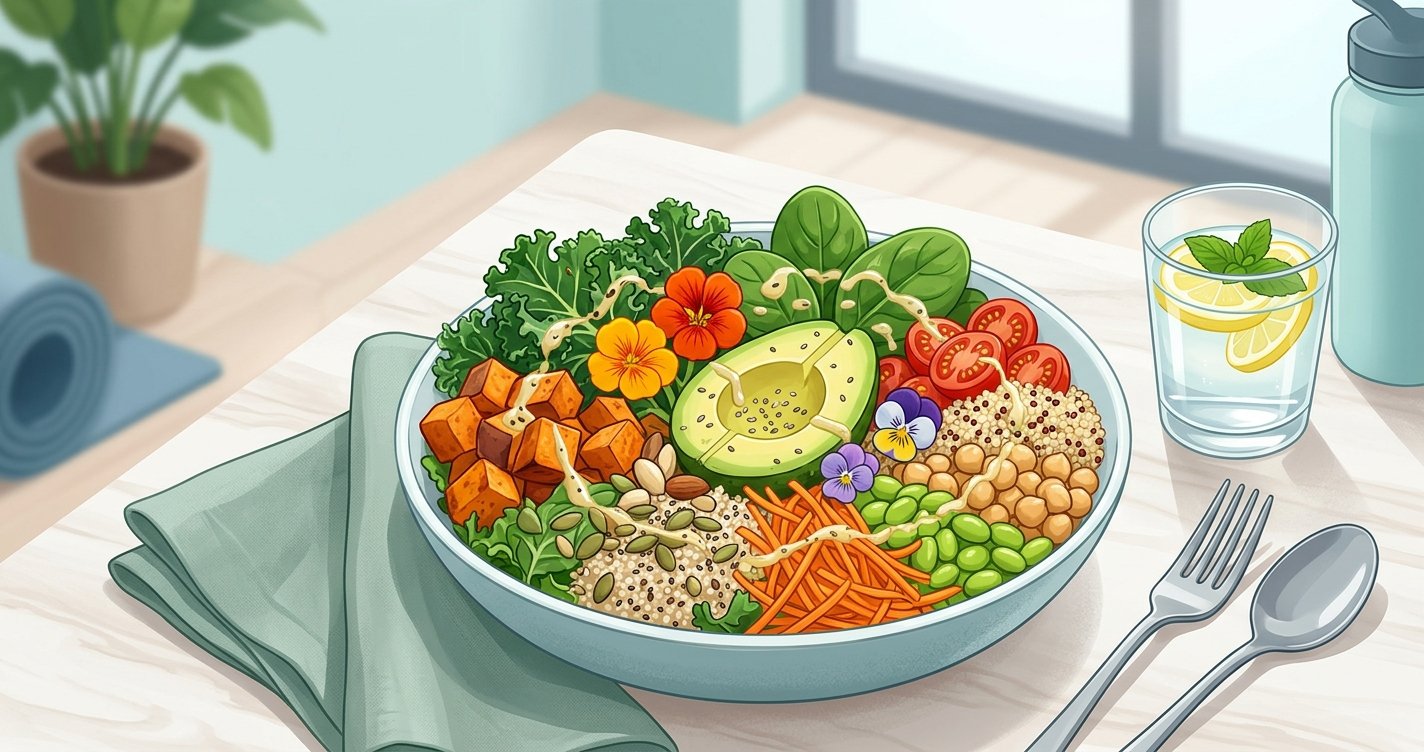
Unlock Sustainable Fat Loss with Smart Nutrition Choices
Embarking on a fat loss journey can often feel overwhelming, with a myriad of diets promising quick fixes. But what if we told you that the most effective, lasting results come not from restrictive eating, but from a deeper understanding of nutrition and a sustainable approach? This isn't about deprivation; it's about empowerment through informed choices. In this guide, we'll dive into evidence-based nutrition strategies that help you shed fat, maintain muscle, and cultivate a healthier relationship with food for the long haul. Get ready to fuel your body, not punish it, on your path to lasting success!
The Core Principle: Understanding Your Calorie Deficit
At the heart of all fat loss lies one non-negotiable principle: a calorie deficit. Simply put, you must consume fewer calories than your body expends. Your body needs a certain amount of energy (calories) to perform daily functions, from breathing to exercising. When you consistently provide slightly less energy than it needs, your body taps into its stored fat reserves for fuel, leading to fat loss. this excellent wellness product
However, the key word here is “slightly.” A moderate calorie deficit is crucial for sustainability and health. Drastic cuts can lead to nutrient deficiencies, muscle loss (not just fat), slowed metabolism, and an unsustainable cycle of hunger and cravings. Aim for a deficit of 300-500 calories per day, which typically results in a healthy and manageable fat loss of 1-2 pounds per week. This approach allows your body to adapt without feeling deprived, making your journey far more enjoyable and successful.
The Mighty Macronutrients: Building Blocks for Success
While a calorie deficit is the engine, macronutrients – protein, carbohydrates, and fats – are the fuel. Getting the right balance of these is vital not just for fat loss, but for overall health, energy levels, and satiety.
Protein Power: Your Fat Loss Ally
Protein is arguably the most critical macronutrient for fat loss. It plays several key roles:
- Satiety: Protein is highly satiating, meaning it keeps you feeling fuller for longer, reducing the likelihood of overeating.
- Muscle Preservation: When you're in a calorie deficit, your body can sometimes break down muscle tissue for energy. Adequate protein intake helps preserve lean muscle mass, which is crucial for maintaining a healthy metabolism.
- Thermic Effect of Food (TEF): Protein has a higher TEF than carbs or fats, meaning your body burns more calories digesting and metabolizing protein.
Aim for 0.7-1 gram of protein per pound of body weight daily, distributed across your meals. Excellent sources include lean meats (chicken, turkey, beef), fish, eggs, dairy (Greek yogurt, cottage cheese), legumes, and tofu.
Carbohydrates: Friend, Not Foe (Choose Wisely!)
Carbohydrates often get a bad rap in the fat loss world, but they are essential for energy, brain function, and fiber intake. The trick is to choose the right kind.
- Complex Carbohydrates: These are your friends. Found in whole grains, vegetables, and fruits, complex carbs are rich in fiber, which aids digestion, promotes satiety, and helps stabilize blood sugar levels, preventing energy crashes and subsequent cravings.
- Simple Carbohydrates: These are found in sugary drinks, candies, and refined grains. While they provide quick energy, they lack fiber, can lead to blood sugar spikes and crashes, and offer little nutritional value. Limit these.
Focus on getting your carbs from whole, unprocessed sources like oats, brown rice, quinoa, whole-wheat bread, sweet potatoes, and a rainbow of fruits and vegetables.
Healthy Fats: Essential for Well-being
Dietary fats are crucial for hormone production, nutrient absorption, and overall cellular function. Despite being calorie-dense, healthy fats are vital for a successful fat loss journey and should not be avoided.
The key is moderation and choosing healthy unsaturated fats over unhealthy trans and saturated fats. Healthy fats help with satiety and can improve the absorption of fat-soluble vitamins (A, D, E, K). Good sources include avocados, nuts, seeds, olive oil, and fatty fish like salmon.
Beyond Macros: Whole Foods and Mindful Eating
While macronutrients provide the framework, the quality of your food choices and how you eat them profoundly impact your results.
Embrace Whole, Unprocessed Foods
Prioritizing whole, unprocessed foods is one of the simplest yet most powerful strategies for fat loss. These foods are naturally rich in vitamins, minerals, and fiber, and generally have a lower calorie density compared to their processed counterparts.
- Nutrient Density: Whole foods pack more nutritional punch per calorie.
- Fiber Content: High fiber keeps you full and supports gut health.
- Lower Calorie Density: You can eat a larger volume of whole foods for fewer calories, which is incredibly satisfying.
Think fresh fruits and vegetables, lean proteins, whole grains, and healthy fats. Limit highly processed snacks, sugary drinks, and fast food, which are often high in calories, unhealthy fats, sugar, and sodium, with little nutritional value.
The Power of Mindful Eating
Mindful eating is about paying attention to your food and your body's signals. It's not just what you eat, but how you eat it. This practice can significantly aid fat loss by:
- Recognizing Hunger and Fullness Cues: Learning to eat when truly hungry and stop when comfortably full, rather than eating out of habit or emotion.
- Slowing Down: Giving your body time to register fullness (it takes about 20 minutes for your brain to get the signal).
- Enhancing Enjoyment: Savoring your food can lead to greater satisfaction and less desire for overeating.
Try eating without distractions, chewing slowly, and putting your fork down between bites. Listen to your body – it often knows best!
Hydration and Consistency: The Unsung Heroes
Two often-overlooked components that are critical for successful and sustainable fat loss are adequate hydration and unwavering consistency.
Water: Your Secret Weapon
Water is essential for virtually every bodily function, and it plays a surprising role in fat loss:
- Satiety: Drinking water before meals can help you feel fuller, potentially leading to reduced calorie intake.
- Metabolism: Staying well-hydrated supports optimal metabolic function.
- Reduced Cravings: Sometimes, thirst can be mistaken for hunger. A glass of water can help clarify if you're truly hungry or just dehydrated.
Aim for at least 8 glasses (about 2 liters) of water daily, and even more if you're active or in a warm climate.
The Golden Rule: Consistency Over Perfection
Fat loss is a marathon, not a sprint. The most successful individuals are those who are consistent, even when faced with minor setbacks. Don't let one 'off' meal derail your entire week. Instead:
- Embrace Progress, Not Perfection: Acknowledge your efforts and celebrate small victories.
- Learn from Slip-ups: If you overeat, understand why it happened and get back on track with your next meal. Don't punish yourself.
- Build Habits: Focus on making small, sustainable changes that you can stick with for life, rather than drastic, temporary ones.
Consistency in your nutrition choices, hydration, and overall lifestyle is what truly delivers lasting results.
Practical Tips for Sustainable Nutrition on Your Journey
- Meal Prep: Dedicate some time each week to plan and prepare healthy meals and snacks. This reduces decision fatigue and helps you avoid unhealthy impulse choices.
- Read Food Labels: Become familiar with nutrition labels, paying attention to serving sizes, calories, sugar content, and ingredients.
- Smart Snacking: Choose protein-rich and fiber-rich snacks like Greek yogurt, a handful of nuts, fruit with peanut butter, or vegetable sticks with hummus.
- Portion Control: Even healthy foods need to be eaten in appropriate portions. Use smaller plates, measure out servings, and learn what a healthy portion looks like.
- Listen to Your Body: Pay attention to how different foods make you feel. Do they give you sustained energy or leave you feeling sluggish? Adjust accordingly.
- Seek Professional Guidance: If you're struggling or have specific health concerns, consider consulting a registered dietitian or nutritionist for personalized advice.
Your Journey to Lasting Fat Loss Starts Now
Sustainable fat loss isn't about following a rigid diet for a few weeks; it's about adopting a lifestyle of balanced, mindful eating that nourishes your body and supports your long-term health goals. By understanding your calorie deficit, prioritizing protein, choosing quality carbs and healthy fats, embracing whole foods, and practicing mindful eating, you're building a foundation for success that goes far beyond the scale. Be patient, be consistent, and most importantly, be kind to yourself. Your journey to a healthier, happier you is a continuous process of learning and growing, one delicious, nourishing meal at a time.