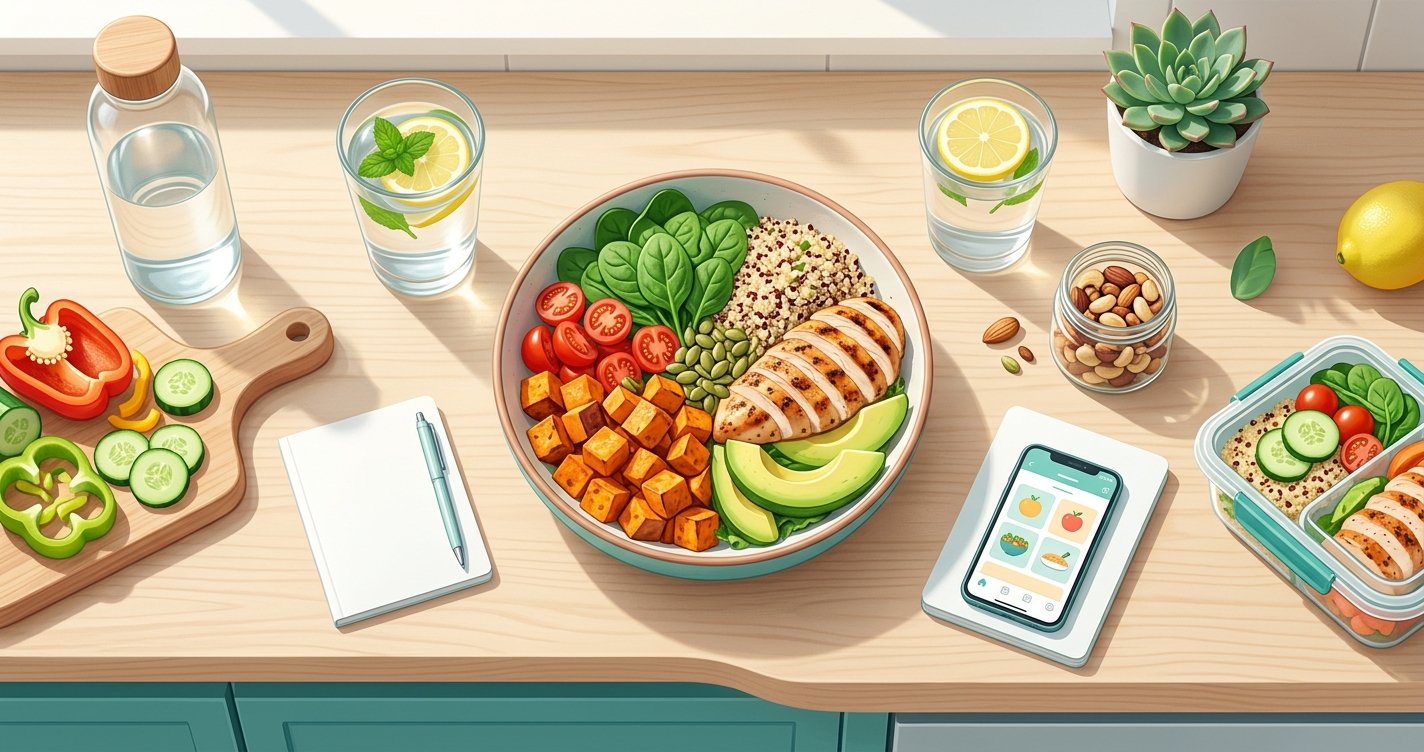
Are you tired of the endless cycle of restrictive diets, quick fixes, and the frustration of fat loss that just doesn't last? You're not alone. The world of fat loss advice can feel like a minefield, filled with conflicting information and unrealistic promises. But what if we told you that achieving lasting fat loss isn't about deprivation, but about embracing sustainable nutrition strategies that nourish your body, boost your energy, and fit seamlessly into your life? This isn't another fad diet; it's a guide to understanding how food fuels your body for optimal fat loss, backed by evidence, and designed to empower you with habits you can stick to for good. Let's ditch the guilt and embrace a healthier, happier you!
Understanding the Basics: Calorie Deficit, Not Deprivation
At its core, fat loss boils down to one fundamental principle: consuming fewer calories than your body burns. This is known as a calorie deficit. However, the common misconception is that this means extreme deprivation. Sustainable fat loss isn't about starving yourself; it's about making smart food choices that allow you to create a moderate deficit while still feeling satisfied and energized. this excellent wellness product
The Energy Balance Equation
Think of your body as a sophisticated machine. It needs energy (calories) to function – breathing, thinking, moving, and even sleeping all burn calories. When you consume more calories than you burn, your body stores the excess, often as fat. When you consume fewer, your body taps into its stored energy (fat) to make up the difference. Research consistently shows that a modest daily deficit of 300-500 calories is effective and sustainable for most people, leading to a healthy fat loss rate of 1-2 pounds per week.
Why Extreme Cuts Backfire
While a drastic calorie cut might seem like a fast track, it often backfires. Severe restriction can trigger your body's survival instincts, slowing your metabolism, increasing hunger hormones, and making cravings unbearable. This often leads to rebound weight gain and a damaged relationship with food. Our goal is to work with your body, not against it.
The Power of Protein: Your Fat Loss Ally
If there's one macronutrient that deserves a spotlight in your fat loss journey, it's protein. Protein is not just for bodybuilders; it's crucial for everyone looking to lose fat and maintain a healthy body composition.
Satiety and Muscle Preservation
Protein is incredibly satiating, meaning it helps you feel fuller for longer, reducing the likelihood of overeating or snacking on less nutritious options. Furthermore, digesting protein burns more calories than digesting fats or carbohydrates (a phenomenon called the thermic effect of food). Most importantly, adequate protein intake is vital for preserving lean muscle mass during a calorie deficit. Muscle is metabolically active, meaning it burns more calories at rest than fat, making it an invaluable asset in your fat loss efforts.
Practical Protein Sources
Aim to include a good source of protein with every meal. Excellent options include:
- Lean meats (chicken breast, turkey, lean beef)
- Fish and seafood (salmon, cod, shrimp)
- Eggs
- Dairy (Greek yogurt, cottage cheese)
- Legumes (lentils, beans, chickpeas)
- Tofu and tempeh
- Protein powder (whey, casein, plant-based)
Smart Carbs and Healthy Fats: Fueling Your Body Right
Often demonized, carbohydrates and fats are essential for a healthy, functioning body and play distinct roles in your fat loss journey. The key is choosing the right kinds.
Complex Carbs vs. Simple Sugars
Carbohydrates are your body's primary energy source. Focus on complex carbohydrates, which are rich in fiber and provide sustained energy release, preventing energy crashes and intense cravings. Think:
- Whole grains (oats, brown rice, quinoa, whole-wheat bread)
- Starchy vegetables (sweet potatoes, corn, peas)
- Fruits (berries, apples, bananas)
Limit simple sugars found in sugary drinks, candies, and processed snacks, as these offer little nutritional value and contribute to fat storage.
The Essential Role of Healthy Fats
Fats are crucial for hormone production, nutrient absorption, and organ protection. They also contribute to satiety. Don't fear healthy fats; embrace them in moderation. Good sources include:
- Avocado
- Nuts and seeds (almonds, walnuts, chia seeds, flax seeds)
- Olive oil and other healthy cooking oils
- Fatty fish (salmon, mackerel)
Fiber Up: The Unsung Hero of Satiety and Digestion
Fiber often gets overlooked, but it's a powerhouse for fat loss and overall health. It's a type of carbohydrate your body can't digest, and that's precisely why it's so beneficial.
Benefits of High-Fiber Foods
Fiber adds bulk to your meals, helping you feel full without adding many calories. It also slows down digestion, stabilizing blood sugar levels and preventing those dreaded energy spikes and crashes. Furthermore, fiber is essential for a healthy gut microbiome, which emerging research suggests plays a role in metabolism and fat regulation.
How to Increase Fiber Intake
It's easy to boost your fiber intake by focusing on whole, unprocessed foods. Incorporate:
- Fruits and vegetables (especially with the skin on)
- Legumes (beans, lentils)
- Whole grains
- Nuts and seeds
Gradually increase your fiber intake and remember to drink plenty of water to help it move through your digestive system smoothly.
Hydration and Mindful Eating: More Than Just Food
Sustainable fat loss isn't just about what you eat, but also how you eat and how you support your body's basic functions.
The Crucial Role of Water
Water is often the forgotten nutrient, yet it's vital for countless bodily processes, including metabolism. Sometimes, your body can confuse thirst for hunger, leading you to eat when all you really need is a glass of water. Aim for at least 8 glasses (around 2 liters) of water daily, more if you're active or in a hot climate.
Listening to Your Body: Mindful Eating Practices
Mindful eating means paying attention to your body's hunger and fullness cues. Slow down, savor your food, and notice how different foods make you feel. This practice can help prevent overeating, reduce emotional eating, and improve your digestion. Before reaching for a snack, ask yourself: Am I truly hungry, or am I bored, stressed, or thirsty?
Meal Planning and Preparation: Your Roadmap to Success
Failing to plan is planning to fail, especially when it comes to sustainable fat loss. Strategic meal planning and preparation can be game-changers.
Why Plan?
Planning your meals in advance helps you make healthier choices, control portion sizes, and avoid last-minute, unhealthy options when hunger strikes. It also saves time and money!
Simple Strategies for Meal Prep
- Batch Cook: Cook larger portions of protein, grains, and roasted vegetables at the beginning of the week.
- Portion Out: Divide your cooked food into individual containers for easy grab-and-go meals.
- Snack Prep: Wash and cut fruits and veggies, portion out nuts, or prepare hard-boiled eggs for healthy snacks.
- Keep it Simple: You don't need gourmet meals every day. Focus on balanced, nutritious components.
Consistency Over Perfection: The Long Game of Fat Loss
Remember, fat loss is a journey, not a destination. There will be days you slip up, and that's perfectly okay. What matters most is your overall consistency.
Embracing Progress, Not Perfection
Don't let one "bad" meal or day derail your entire effort. Acknowledge it, learn from it, and get back on track with your next meal. Focus on making progress, not achieving unrealistic perfection. Celebrate small victories and acknowledge how far you've come.
Building Sustainable Habits
The strategies discussed here aren't quick fixes; they are sustainable habits designed to improve your health and support lasting fat loss. It takes time to build new routines, so be patient and kind to yourself. Each healthy choice is a step towards your goal.
Achieving sustainable fat loss doesn't have to be a battle. By focusing on evidence-based nutrition strategies – embracing a moderate calorie deficit, prioritizing protein, choosing smart carbs and healthy fats, boosting fiber, staying hydrated, and practicing mindful eating – you can transform your relationship with food and your body. Start small, be consistent, and trust the process. Your journey to a healthier, more vibrant you begins with these powerful, sustainable choices. You've got this!