Fuel Your Success: Sustainable Nutrition Strategies for Lasting Fat Loss
Embarking on a fat loss journey can feel like navigating a complex maze, with countless diets, fads, and conflicting advice at every turn. But what if we told you that the most effective path to lasting fat loss isn't about deprivation or extreme measures, but rather about adopting smart, sustainable nutrition strategies? Forget the quick fixes that promise rapid results only to leave you feeling frustrated and defeated. This guide is all about empowering you with evidence-based nutrition tips to build a foundation for healthy eating that supports your body, preserves your sanity, and helps you achieve your fat loss goals for good.
We're not just talking about dropping a few pounds; we're talking about transforming your relationship with food, understanding your body's needs, and creating habits that stick. Let's dive into the core principles of sustainable fat loss nutrition that will fuel your success! this excellent wellness product
The Non-Negotiable Foundation: Understanding Your Calorie Deficit
At its heart, fat loss boils down to one fundamental principle: consuming fewer calories than your body expends. This is known as a calorie deficit. While it sounds simple, the execution requires understanding and patience. Your body needs a certain amount of energy (calories) to perform its daily functions, from breathing to exercising. When you consistently provide slightly less energy than it needs, your body taps into its stored fat reserves for fuel, leading to fat loss.
However, 'calorie deficit' doesn't mean starvation! A drastic deficit can be detrimental, slowing your metabolism, causing muscle loss, and making the diet unsustainable. The key is a moderate, consistent deficit, typically 300-500 calories below your maintenance level. You can estimate your maintenance calories using online calculators, but remember these are just starting points. Listen to your body and adjust as needed. The goal is steady, sustainable fat loss of about 1-2 pounds per week, which is achievable and healthy.
Power Up with Protein: Your Best Friend for Fat Loss
If there's one macronutrient to prioritize for fat loss, it's protein. Research consistently highlights protein's critical role in successful weight management, and for good reason:
- Satiety: Protein is incredibly filling. Including adequate protein in your meals helps you feel fuller for longer, reducing overall calorie intake and curbing those pesky cravings.
- Muscle Preservation: When you're in a calorie deficit, there's a risk of losing not just fat, but also valuable muscle mass. A higher protein intake helps to preserve lean muscle, which is metabolically active and crucial for a healthy metabolism.
- Thermic Effect of Food (TEF): Protein has a higher TEF than carbs or fats, meaning your body expends more energy to digest and metabolize it. While not a massive calorie burner, every little bit helps!
Aim for roughly 0.7-1 gram of protein per pound of your target body weight per day, spread across your meals. Excellent sources of lean protein include chicken breast, turkey, fish (salmon, cod), lean beef, eggs, Greek yogurt, cottage cheese, lentils, beans, and tofu.
Embrace Whole Foods: Fueling Your Body, Not Just Filling It
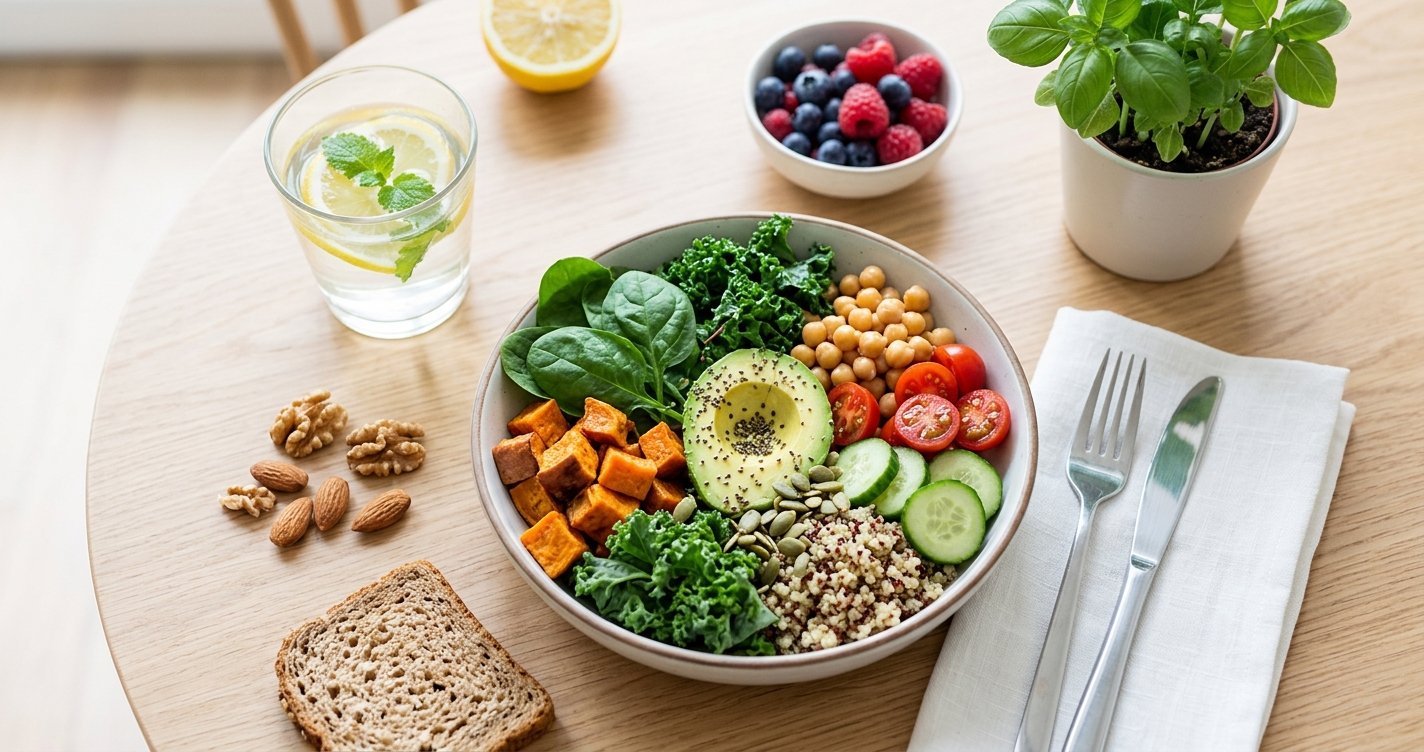
The quality of your calories matters just as much as the quantity. Shifting your focus towards whole, unprocessed foods is a cornerstone of effective and sustainable fat loss nutrition. Think about it: a handful of almonds provides healthy fats, fiber, and protein, offering sustained energy and satiety. A bag of chips, on the other hand, might have similar calories but offers little nutritional value, spiking blood sugar and leaving you hungry sooner.
Whole foods are nutrient-dense, meaning they pack more vitamins, minerals, and antioxidants per calorie. They are also typically higher in fiber and water, contributing to fullness and supporting healthy digestion. Ultra-processed foods, laden with added sugars, unhealthy fats, and artificial ingredients, often lead to overconsumption and hinder your fat loss progress. Make the switch to:
- Fruits: Berries, apples, bananas, oranges
- Vegetables: Spinach, broccoli, carrots, bell peppers, sweet potatoes
- Whole Grains: Oats, quinoa, brown rice, whole-wheat bread
- Lean Proteins: As mentioned above
- Healthy Fats: Avocados, nuts, seeds, olive oil
By prioritizing these foods, you're not just cutting calories; you're nourishing your body and optimizing its functions for long-term health and fat loss.
The Mighty Micronutrients and Fiber: Beyond Calories
While macronutrients (protein, carbs, fats) get a lot of attention, don't underestimate the power of micronutrients (vitamins and minerals) and dietary fiber. These often-overlooked components play crucial roles in metabolic health and overall well-being, directly impacting your fat loss journey.
- Micronutrients: Vitamins and minerals are essential for hundreds of metabolic processes in your body, including energy production, hormone regulation, and proper nerve function. A deficiency in certain micronutrients can impair your body's ability to burn fat efficiently and can leave you feeling fatigued. Eating a wide variety of colorful fruits and vegetables ensures you're getting a broad spectrum of these vital nutrients.
- Fiber: Fiber is a true fat loss hero. It adds bulk to your diet without adding many calories, helping you feel full and satisfied. Soluble fiber, found in oats, beans, and apples, forms a gel in your digestive tract, slowing down digestion and the absorption of sugar, which helps stabilize blood sugar levels. Insoluble fiber, found in whole grains and many vegetables, aids in digestive regularity. Aim for 25-35 grams of fiber per day from whole food sources.
By focusing on nutrient-dense foods, you naturally boost your intake of these essential components, supporting a healthy metabolism and making your fat loss journey smoother.
Smart Carb and Healthy Fat Choices
Carbohydrates and fats have often been demonized in various diet trends, but they are vital for energy, hormone production, and nutrient absorption. The key is making smart choices.
- Carbohydrates: Not all carbs are created equal. Focus on complex carbohydrates, which are rich in fiber and release energy slowly, providing sustained fuel and preventing energy crashes. Examples include whole grains, legumes, and starchy vegetables. Limit refined carbohydrates like white bread, sugary cereals, and pastries, which offer little nutritional value and can lead to blood sugar spikes and subsequent crashes, often triggering cravings.
- Healthy Fats: Dietary fats are crucial for hormone production, nutrient absorption (especially fat-soluble vitamins A, D, E, K), and brain health. Choose unsaturated fats found in avocados, nuts, seeds, and olive oil. Omega-3 fatty acids, found in fatty fish like salmon, are particularly beneficial for overall health and can help reduce inflammation. While healthy, fats are calorie-dense, so portion control is still important for fat loss.
Striking the right balance of these macronutrients, tailored to your activity level and preferences, is vital for long-term adherence and success.
Hydration and Mindful Eating: The Often-Overlooked Pillars
Two simple yet profoundly impactful strategies often get overlooked in the pursuit of fat loss: proper hydration and mindful eating.
- Hydration: Water is essential for every bodily function, including metabolism. Sometimes, your body can confuse thirst with hunger, leading you to eat when all you really need is a glass of water. Staying adequately hydrated can help manage appetite, support digestion, and ensure your body is running optimally. Aim for at least 8 glasses (around 2 liters) of water daily, and more if you're active or in a hot climate.
- Mindful Eating: In our fast-paced world, many of us eat distractedly, often in front of screens. Mindful eating is about paying attention to your food – its taste, texture, aroma – and listening to your body's hunger and fullness cues. Slow down, chew thoroughly, and put your fork down between bites. This practice can help you recognize when you're truly satisfied, preventing overeating and fostering a healthier relationship with food. It's about savoring your meals rather than just consuming them.
Practical Strategies for Long-Term Success
Knowledge is power, but application is key. Here are some practical tips to integrate these sustainable fat loss nutrition strategies into your daily life:
- Meal Planning and Prep: Dedicate some time each week to plan your meals and snacks. This reduces decision fatigue, minimizes impulse eating, and ensures you have healthy options readily available.
- Track (Initially): For some, tracking calories and macros for a few weeks can be incredibly insightful. It helps you understand portion sizes and the nutritional content of what you're eating. It's a tool for awareness, not necessarily a long-term requirement.
- Cook at Home: Taking control of your ingredients and cooking methods gives you immense power over your nutrition. You'll naturally reduce added sugars, unhealthy fats, and excessive sodium often found in restaurant or convenience foods.
- Allow for Flexibility: No diet plan is perfect, and life happens. Don't aim for perfection; aim for consistency. Allow for occasional treats or indulgences without guilt. One meal won't derail your progress; it's the consistent daily choices that matter.
- Prioritize Sleep & Stress Management: These aren't direct nutrition strategies, but they profoundly impact your hunger hormones (ghrelin and leptin), cravings, and ability to make healthy choices.
Embrace the Journey to Lasting Fat Loss
Sustainable fat loss isn't a race; it's a journey of learning, adapting, and building healthier habits that will serve you for a lifetime. By focusing on a moderate calorie deficit, prioritizing protein, embracing whole foods, paying attention to micronutrients and fiber, and practicing mindful eating, you're not just losing weight – you're building a stronger, healthier, and more vibrant you. Be patient with yourself, celebrate small victories, and remember that every healthy choice moves you closer to your goals. You've got this!