Are you tired of the diet rollercoaster? The endless cycle of restrictive eating, quick fixes, and the inevitable rebound? If you're looking to achieve sustainable fat loss and truly transform your body and health, it's time to shift your focus from temporary deprivation to smart, evidence-based nutrition strategies. This isn't about starvation; it's about understanding how to fuel your body effectively to shed fat, maintain muscle, and feel fantastic for the long haul.
Forget the fads and the latest extreme plans. True, lasting fat loss comes from a consistent, mindful approach to what you eat. In this guide, we'll dive into practical, friendly, and scientifically-backed nutrition principles that will empower you to make informed choices, enjoy your food, and finally achieve the results you've been searching for. this excellent wellness product
The Foundation: Understanding the Calorie Deficit (Without Starving Yourself!)
Let's get straight to the science: to lose fat, you must consume fewer calories than your body burns. This is known as a calorie deficit. It's the fundamental principle behind all fat loss, regardless of the diet you choose. However, the key to *sustainable* fat loss is creating a deficit that is manageable and doesn't leave you feeling deprived or constantly hungry.
A modest deficit (typically 300-500 calories below your maintenance level) allows for steady fat loss (around 1-2 pounds per week) while preserving muscle mass and energy levels. Instead of drastically cutting calories, focus on making smarter food choices that naturally reduce your caloric intake without sacrificing nutrients. Think lean proteins, plenty of vegetables, and whole grains, which provide volume and satiety for fewer calories than highly processed alternatives.
How to Estimate Your Calorie Needs:
- Use an Online Calculator: Tools like TDEE (Total Daily Energy Expenditure) calculators can give you a starting estimate.
- Track Your Intake: For a few days, log everything you eat to understand your current habits.
- Listen to Your Body: Pay attention to hunger and fullness cues. Adjust portion sizes gradually.
Remember, this isn't about perfection, but about consistent progress. Small, sustainable changes add up over time.
Protein Power: Your Best Friend for Fat Loss
If there's one macronutrient you should prioritize for fat loss, it's protein. Protein plays several critical roles that make it invaluable on your journey:
- Satiety: Protein is incredibly filling. Including adequate protein in each meal helps you feel fuller for longer, reducing the urge to snack unnecessarily and helping you naturally eat less overall.
- Muscle Preservation: When you're in a calorie deficit, your body can sometimes break down muscle tissue for energy. A high protein intake helps protect your precious muscle mass, which is crucial because muscle burns more calories at rest than fat does.
- Thermic Effect of Food (TEF): Protein has a higher TEF than carbs or fats, meaning your body expends more energy (calories) to digest and metabolize it. It's a small boost, but every little bit helps!
Aim for 0.7-1 gram of protein per pound of your target body weight daily, spread throughout your meals. Excellent sources include lean meats (chicken, turkey, beef), fish, eggs, dairy (Greek yogurt, cottage cheese), legumes, tofu, and protein powder.
Embrace Whole Foods: Fueling Your Body, Not Just Filling It
While a calorie deficit is paramount, the *quality* of those calories matters immensely for your health, energy, and long-term success. Prioritizing whole, unprocessed foods is a game-changer for sustainable fat loss.
Whole foods are foods that are in their natural state or minimally processed. Think fruits, vegetables, whole grains, lean proteins, and healthy fats. They are packed with essential vitamins, minerals, fiber, and antioxidants that support overall health and keep your body functioning optimally.
- Fiber-Rich Foods: Found in fruits, vegetables, and whole grains, fiber adds bulk to your meals, promoting satiety and aiding digestion. It's your secret weapon against hunger!
- Nutrient Density: Whole foods provide more nutrients per calorie, meaning you get more bang for your caloric buck. This helps prevent nutrient deficiencies that can lead to cravings and low energy.
- Reduced Cravings: Highly processed foods often contain added sugars, unhealthy fats, and artificial ingredients that can trigger cravings and lead to overeating. Sticking to whole foods helps stabilize blood sugar and reduce these urges.
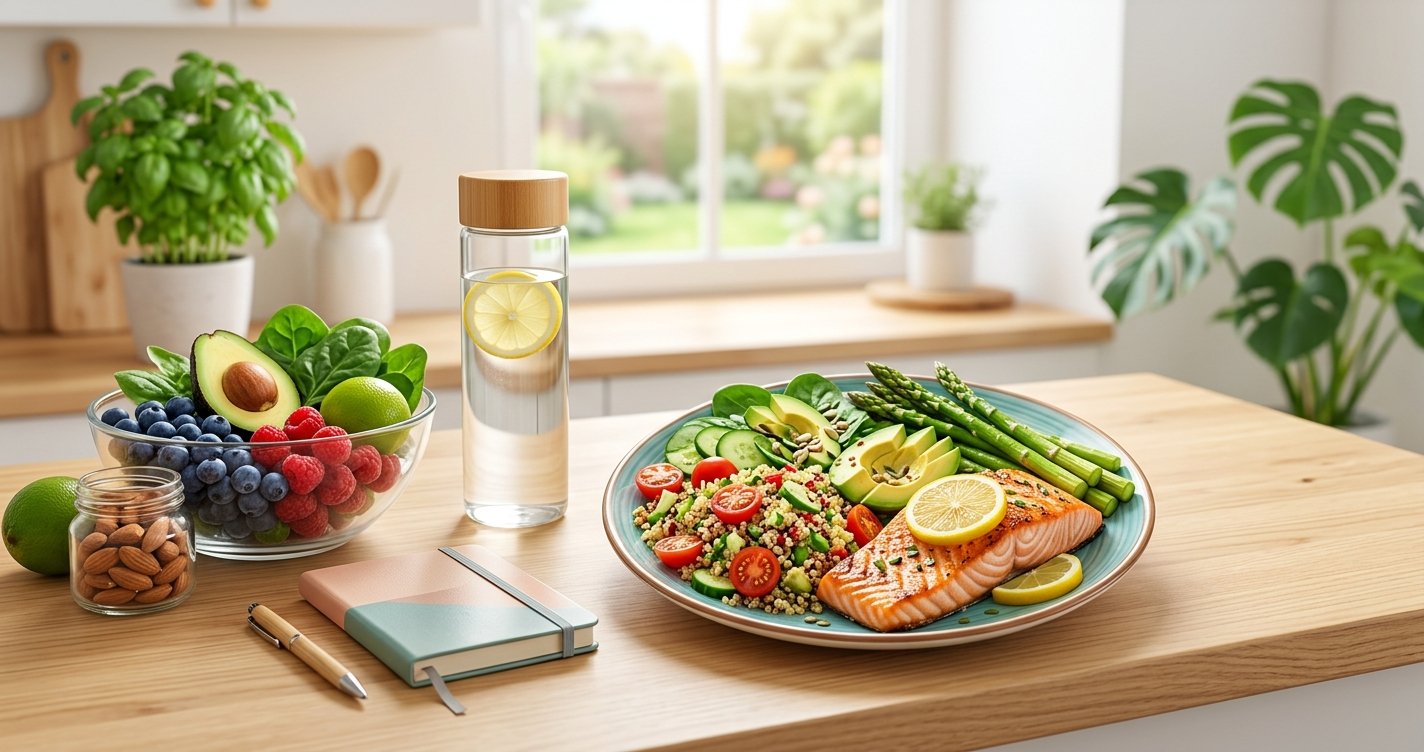
Make it a habit to fill half your plate with non-starchy vegetables at every meal. Swap refined grains for whole grains like quinoa, brown rice, and oats. Choose healthy fats from avocados, nuts, seeds, and olive oil in moderation.
The Art of Mindful Eating: Beyond Calories and Macros
Beyond the numbers and food choices, how you eat is just as important as what you eat. Mindful eating is a powerful tool for fat loss and a healthier relationship with food. It involves paying attention to your hunger and fullness cues, savoring your food, and recognizing why you're eating.
- Eat Slowly: It takes about 20 minutes for your stomach to signal to your brain that you're full. Eating slowly gives your body time to register satiety, preventing overeating.
- Tune In to Hunger and Fullness: Distinguish between true physical hunger and emotional hunger (boredom, stress, sadness). Stop eating when you're comfortably full, not stuffed.
- Eliminate Distractions: Put away your phone, turn off the TV, and focus on your meal. Notice the flavors, textures, and aromas. This enhances enjoyment and awareness.
- Practice Gratitude: Appreciate your food and the nourishment it provides. A positive mindset around eating can reduce feelings of deprivation.
Mindful eating helps you build a healthier, more intuitive relationship with food, moving away from restrictive diets towards sustainable habits.
Hydration and Healthy Habits: The Unsung Heroes of Fat Loss
While nutrition is king, supporting habits play a crucial role in making your fat loss journey smoother and more successful. Don't underestimate the power of these often-overlooked factors:
- Hydration: Water is essential for countless bodily functions, including metabolism. Sometimes, your body can confuse thirst for hunger, leading to unnecessary snacking. Aim to drink plenty of water throughout the day. Keep a water bottle handy and sip regularly.
- Quality Sleep: Lack of sleep can wreak havoc on your hunger hormones (ghrelin and leptin), making you feel hungrier and crave unhealthy foods. Prioritize 7-9 hours of quality sleep each night to support your fat loss efforts and overall well-being.
- Stress Management: Chronic stress can lead to increased cortisol levels, which can promote fat storage, especially around the midsection. Find healthy ways to manage stress, such as meditation, yoga, spending time in nature, or engaging in hobbies you enjoy.
These habits create a supportive environment for your body to shed fat more efficiently and help you stick to your nutrition plan.
Planning for Success: Making it a Lifestyle, Not a Diet
Sustainable fat loss isn't about temporary fixes; it's about building habits that last a lifetime. This requires a bit of planning and a lot of consistency, but it doesn't mean sacrificing enjoyment or flexibility.
- Meal Prepping: Dedicate some time each week to plan and prepare your meals and snacks. Having healthy options readily available dramatically reduces the likelihood of reaching for less healthy choices when hunger strikes.
- Smart Snacking: If you need snacks, make them count. Opt for protein-rich and fiber-filled options like Greek yogurt with berries, a handful of almonds, or vegetable sticks with hummus.
- Flexibility and Moderation: Life happens! Don't let one 'off-plan' meal derail your entire week. Practice the 80/20 rule: aim for healthy choices 80% of the time, allowing for occasional treats or social meals without guilt. Consistency over perfection is key.
- Track Your Progress (Not Just the Scale): The scale is one metric, but also pay attention to how your clothes fit, your energy levels, your strength in the gym, and your overall mood. Celebrate non-scale victories!
Approach your journey with patience and self-compassion. There will be good days and challenging days. The goal is to learn, adapt, and keep moving forward.
Your Journey to Sustainable Fat Loss Starts Now
Achieving sustainable fat loss isn't a race; it's a journey of learning, adapting, and building healthier habits. By focusing on a manageable calorie deficit, prioritizing protein, embracing whole foods, practicing mindful eating, and supporting your body with good sleep and hydration, you're setting yourself up for success that lasts far beyond any crash diet.
This is your opportunity to build a healthier, stronger, and more confident you – one smart, delicious, and satisfying meal at a time. Embrace the process, be kind to yourself, and trust that these evidence-based nutrition strategies will guide you to the lasting results you deserve. You've got this!