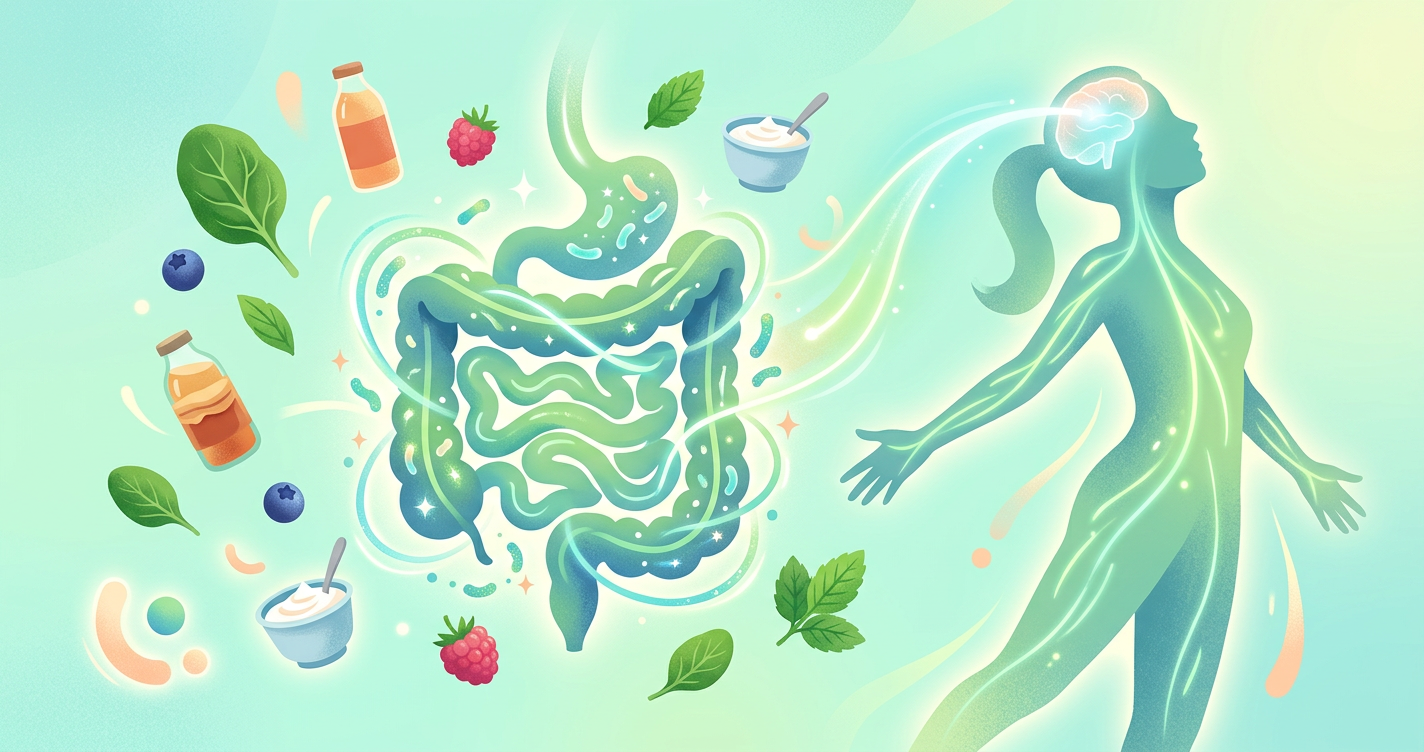
Beyond Digestion: How a Healthy Gut Transforms Your Entire Well-being
When you think about your gut, your mind probably jumps straight to digestion. And while its role in breaking down food and absorbing nutrients is undeniably crucial, your gut is so much more than just a processing plant. It's a bustling inner ecosystem, a vibrant community of trillions of microorganisms – collectively known as your gut microbiome – that profoundly influences nearly every aspect of your health.
From your mood and immune system to your energy levels and even your skin, a happy gut often translates to a happier, healthier you. In this friendly, evidence-based guide, we'll explore the incredible power of your gut, uncover the signs it might need some extra love, and equip you with practical, encouraging strategies to cultivate a thriving inner world for long-lasting well-being. this excellent wellness product
Understanding Your Inner Ecosystem: The Microbiome Unveiled
Imagine your gut as a bustling city, teeming with diverse inhabitants. This is your gut microbiome – a complex community of bacteria, fungi, viruses, and other microbes living primarily in your large intestine. Don't worry, most of these residents are friendly, working in a beautiful symbiotic relationship with your body.
What Exactly is the Gut Microbiome?
- Trillions of Tiny Organisms: Your gut is home to an estimated 100 trillion microorganisms, outnumbering your body's cells by a factor of 10 to 1!
- A Unique Fingerprint: Each person's microbiome is as unique as their fingerprint, influenced by genetics, diet, lifestyle, and environment.
- Symbiotic Relationship: In a healthy gut, these microbes help you in countless ways, from producing vitamins to defending against pathogens.
Why Does a Healthy Gut Matter So Much?
The impact of your gut microbiome extends far beyond simply digesting your lunch. It's a central player in:
- Digestion and Nutrient Absorption: Your gut microbes help break down fibers your body can't, producing beneficial short-chain fatty acids (SCFAs) that fuel your gut cells and beyond. They also aid in the absorption of vital nutrients.
- Immune System Command Center: A staggering 70-80% of your immune system resides in your gut. A diverse and balanced microbiome is crucial for distinguishing between harmful invaders and harmless substances, keeping you healthy and resilient.
- The Brain-Gut Axis: Your Second Brain: Your gut and brain are in constant communication via the vagus nerve and various neurotransmitters. This bidirectional link means your gut health directly influences your mood, stress levels, cognitive function, and even sleep. Ever felt butterflies in your stomach when nervous? That's the gut-brain axis in action!
- Weight Management: Research suggests that the composition of your gut bacteria can influence how you store fat, how you respond to certain foods, and even your appetite.
- Skin Health: The gut-skin axis is a growing area of research, linking gut imbalances to conditions like acne, eczema, and psoriasis.
- Energy Levels and Vitality: A well-functioning gut ensures optimal nutrient absorption and reduces inflammation, contributing to sustained energy and overall vitality.
Signs Your Gut Might Need Some TLC
Our bodies are incredibly intelligent and often send us signals when something isn't quite right. Recognizing these signs is the first step towards nurturing your gut back to optimal health.
Common Indicators of an Unhappy Gut
- Persistent Digestive Discomfort: Frequent bloating, gas, abdominal pain, constipation, or diarrhea are classic signs that your digestive system might be struggling.
- Mood Swings, Anxiety, or Depression: Given the strong gut-brain connection, an imbalanced microbiome can contribute to feelings of anxiety, low mood, or general irritability.
- Skin Issues: Unexplained breakouts, eczema, or other inflammatory skin conditions can sometimes be a reflection of an imbalanced gut.
- Frequent Illnesses: If you find yourself catching every cold or flu going around, it could be a sign that your gut's immune defenses are compromised.
- Fatigue and Brain Fog: Feeling constantly tired, even after adequate sleep, or experiencing difficulty concentrating can be linked to gut inflammation and poor nutrient absorption.
- Food Sensitivities or Intolerances: A compromised gut lining can sometimes lead to increased sensitivity to certain foods that you previously tolerated well.
Nourish Your Gut: Fueling Your Microbiome for Success
The good news is that you have immense power to influence your gut health through your daily choices. Let's dive into the delicious ways you can feed your friendly gut microbes.
Embrace Probiotic-Rich Foods
Probiotics are live beneficial bacteria and yeasts that, when consumed in adequate amounts, confer a health benefit to the host. Think of them as reinforcements for your inner ecosystem!
- Fermented Dairy: Yogurt and kefir (look for live and active cultures, ideally unsweetened).
- Fermented Vegetables: Sauerkraut, kimchi, and pickles (ensure they are traditionally fermented, not just vinegar-brined).
- Fermented Soy: Tempeh and miso.
- Fermented Beverages: Kombucha (in moderation due to sugar content).
Don't Forget Prebiotics: Food for Your Good Bacteria
Prebiotics are non-digestible fibers that act as food for your gut's beneficial bacteria, helping them to thrive and multiply. They're just as important as probiotics!
- Garlic and Onions: Culinary staples that pack a prebiotic punch.
- Leeks and Asparagus: Delicious and rich in specific prebiotic fibers.
- Bananas: Especially slightly green ones, contain resistant starch.
- Oats: A fantastic source of beta-glucan, a type of soluble fiber.
- Apples: Rich in pectin, another beneficial fiber.
- Legumes: Beans, lentils, and chickpeas are excellent sources of diverse fibers.
Fiber is Your Friend
Beyond specific prebiotics, a diet rich in diverse fibers is paramount for gut health. Fiber adds bulk to stool, aids in regular bowel movements, and supports microbial diversity.
- Soluble Fiber: Found in oats, beans, apples, and citrus fruits. It dissolves in water, forming a gel-like substance that helps slow digestion and can lower cholesterol.
- Insoluble Fiber: Found in whole grains, nuts, seeds, and the skins of fruits and vegetables. It adds bulk to stool and helps food pass more quickly through the digestive system.
Aim for a wide variety of fruits, vegetables, whole grains, nuts, and seeds to ensure you're getting a broad spectrum of fibers.
Hydration is Key
Water isn't just for quenching thirst; it's vital for a healthy gut. Adequate hydration helps keep food moving through your digestive tract, prevents constipation, and supports the overall health of your gut lining.
Beyond Food: Lifestyle Habits for a Thriving Gut
While nutrition is a cornerstone of gut health, it's not the only factor. Your daily habits play an equally significant role in shaping your inner ecosystem.
Manage Stress Effectively
Remember the gut-brain axis? Chronic stress can negatively alter your gut microbiome composition, increase gut permeability (sometimes called 'leaky gut'), and disrupt digestive function. Prioritizing stress management is non-negotiable for a happy gut.
- Mindfulness and Meditation: Even a few minutes a day can make a difference.
- Yoga and Deep Breathing: Calming practices that activate the parasympathetic nervous system.
- Time in Nature: A proven stress-reducer.
- Engage in Hobbies: Whatever brings you joy and helps you unwind.
Prioritize Quality Sleep
Lack of sleep can impact your gut's microbial balance and increase inflammation. Aim for 7-9 hours of quality sleep per night to allow your body (and gut) to repair and rejuvenate.
- Consistent Sleep Schedule: Go to bed and wake up around the same time each day.
- Optimize Your Sleep Environment: Dark, cool, and quiet.
- Limit Screen Time Before Bed: The blue light can interfere with melatonin production.
Move Your Body Regularly
Regular physical activity isn't just good for your muscles and heart; it's great for your gut too! Studies show that exercise can increase the diversity and richness of your gut microbiome, which is a marker of good gut health. Aim for moderate, consistent activity rather than extreme, sporadic workouts.
- Walking, Jogging, Cycling: Simple ways to get moving.
- Strength Training: Builds muscle and supports overall health.
- Yoga or Pilates: Combines movement with stress reduction.
Be Mindful of Medications (Especially Antibiotics)
Antibiotics are life-saving drugs, but they don't discriminate between good and bad bacteria, often wiping out beneficial microbes along with the harmful ones. While sometimes necessary, discuss with your doctor if they are truly needed and consider taking a high-quality probiotic during and after antibiotic courses to help replenish your gut flora.
Bringing It All Together: Your Personalized Gut Health Journey
Embarking on a gut health journey doesn't require an overnight overhaul. Small, consistent changes often yield the most sustainable and impactful results.
Start Small, Stay Consistent
- Introduce One New Probiotic Food: Try adding a spoonful of sauerkraut to your plate or swapping your regular milk for kefir.
- Increase Fiber Gradually: Add an extra serving of vegetables or a handful of berries to your breakfast.
- Hydrate: Carry a water bottle and sip throughout the day.
Listen to Your Body
Everyone's gut is unique. Pay attention to how different foods and lifestyle changes make you feel. What works wonderfully for one person might not be ideal for another. Be patient and experiment to find what truly nourishes your inner ecosystem.
Seek Professional Guidance When Needed
If you're experiencing persistent digestive issues, severe symptoms, or have underlying health conditions, always consult with a healthcare professional, such as your doctor or a registered dietitian. They can provide personalized advice and rule out any serious conditions.
Your Gut, Your Health, Your Happiness
Nurturing your gut is one of the most powerful investments you can make in your overall health and well-being. By understanding its profound impact and adopting gut-friendly habits, you're not just improving digestion; you're boosting your immune system, enhancing your mood, increasing your energy, and laying the foundation for a vibrant, resilient life.
So, take a deep breath, listen to your body, and start cultivating your inner garden today. Your gut – and your entire self – will thank you for it!