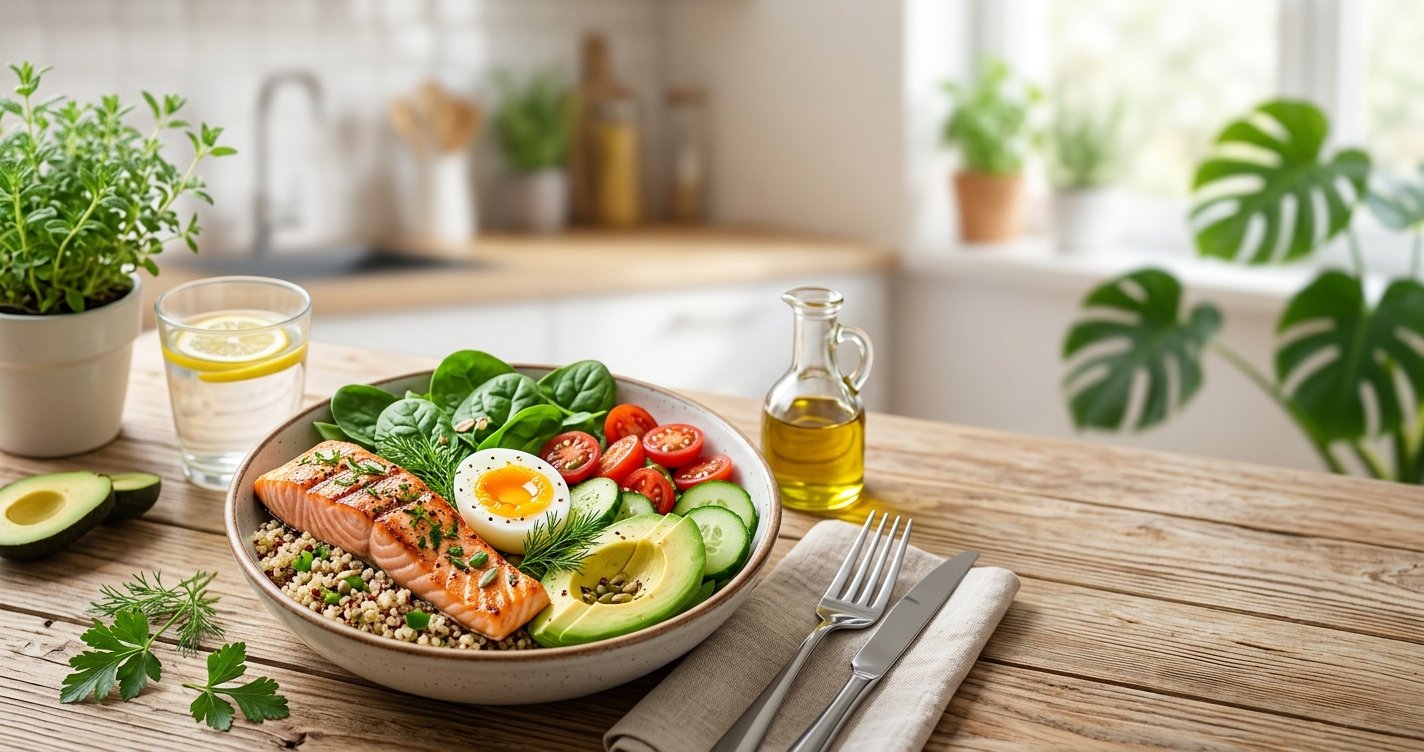
Are you on a quest for sustainable fat loss, but feel like you're constantly battling hunger, sluggish metabolism, and dwindling motivation? You're not alone. The world of dieting can be confusing, filled with restrictive fads that promise quick fixes but rarely deliver lasting results. What if there was a powerful, evidence-based strategy that could help you feel fuller, boost your metabolism, and preserve your precious muscle mass while shedding unwanted fat? Enter the high-protein diet.
Often hailed as a cornerstone of effective nutrition, protein is far more than just a muscle-builder. It's a critical macronutrient that plays a starring role in everything from hormone production and immune function to cell repair. But when it comes to fat loss, protein truly shines, offering unique advantages that can make your journey smoother, more effective, and most importantly, sustainable. Let's dive into the science and discover how harnessing the power of protein can transform your fat loss efforts. this excellent wellness product
Why Protein is Your Secret Weapon for Sustainable Fat Loss
Understanding why protein is so effective is key to making it a central part of your fat loss strategy. It’s not just about eating more chicken; it’s about leveraging protein’s unique physiological effects.
The Satiety Factor: Feeling Fuller, Longer
One of the most frustrating aspects of a calorie-restricted diet is the constant battle with hunger and cravings. This is where protein steps in as a game-changer. Research consistently shows that protein is the most satiating of the three macronutrients (protein, carbs, and fats). This means that a high-protein meal will keep you feeling fuller for longer compared to meals with the same calorie count but lower protein content.
- Hormonal Impact: Protein influences the release of satiety hormones like PYY and GLP-1, which send signals to your brain that you're full and satisfied. Simultaneously, it helps suppress ghrelin, the 'hunger hormone'.
- Reduced Snacking: By keeping hunger at bay, a higher protein intake naturally leads to fewer cravings and a reduced likelihood of overeating or unhealthy snacking between meals. This effortless reduction in overall calorie intake is a cornerstone of fat loss.
- Improved Adherence: When you're not constantly fighting hunger, it's significantly easier to stick to your dietary plan, increasing your chances of long-term success.
Boosting Your Metabolism: The Thermic Effect of Food (TEF)
Every time you eat, your body expends energy to digest, absorb, and metabolize the nutrients from your food. This is known as the Thermic Effect of Food (TEF), or dietary-induced thermogenesis. And guess what? Protein has a significantly higher TEF than carbohydrates or fats.
- Higher Calorie Burn: Approximately 20-30% of the calories from protein are burned during digestion, compared to 5-10% for carbohydrates and 0-3% for fats. This means that if you eat 100 calories of protein, your body uses 20-30 of those calories just to process it!
- Metabolic Advantage: While the metabolic boost from TEF might seem small on a meal-by-meal basis, it adds up over the course of a day, a week, and months. This subtle increase in daily calorie expenditure contributes to a greater overall calorie deficit, making fat loss more efficient.
Preserving Muscle, Burning Fat
When you're in a calorie deficit to lose weight, your body doesn't just burn fat; it can also break down muscle tissue for energy. This is problematic because muscle is metabolically active, meaning it burns more calories at rest than fat tissue. Losing muscle can slow down your metabolism, making it harder to lose fat and easier to regain weight in the future.
A high-protein diet is crucial for mitigating this muscle loss. When your body has an ample supply of amino acids (the building blocks of protein), it's more likely to spare muscle tissue and prioritize fat stores for energy, even during a calorie deficit. This is incredibly important for:
- Maintaining Metabolic Rate: Preserving muscle mass helps keep your metabolism humming, preventing the metabolic slowdown often associated with dieting.
- Improved Body Composition: You want to lose fat, not just weight. A higher protein intake helps ensure that a greater percentage of the weight you lose comes from fat, leading to a leaner, more toned physique.
- Strength and Function: Maintaining muscle means you retain strength, making daily activities easier and supporting your overall physical health and mobility.
How Much Protein Do You Really Need for Fat Loss?
The optimal protein intake can vary based on several factors, including your activity level, age, current body weight, and specific goals. However, for fat loss, the general consensus among nutrition experts and research suggests a range higher than the standard Recommended Dietary Allowance (RDA).
General Guidelines and Individual Needs
For individuals aiming for fat loss, especially those who are physically active or engaging in strength training, a common recommendation is to consume:
- 1.6 to 2.2 grams of protein per kilogram of body weight (0.7 to 1.0 gram per pound of body weight) per day.
For example, a person weighing 70 kg (approximately 154 lbs) would aim for roughly 112-154 grams of protein per day. Spreading this intake evenly across meals and snacks throughout the day is generally more beneficial for muscle protein synthesis and satiety than consuming it all in one or two large servings.
Remember, these are guidelines. Listening to your body and potentially consulting with a registered dietitian or healthcare professional can help tailor the perfect plan for you.
Smart Strategies to Boost Your Protein Intake
Now that you know why protein is so important, let's look at practical ways to integrate more of it into your daily diet without feeling overwhelmed.
Prioritize Protein at Every Meal
Don't save all your protein for dinner. Distributing your protein intake throughout the day is key for maximizing its benefits for satiety and muscle preservation.
- Breakfast: Start strong! Instead of sugary cereals, opt for Greek yogurt, eggs, cottage cheese, protein smoothies, or lean breakfast meats.
- Lunch & Dinner: Build your meals around a lean protein source. Think chicken breast, fish, lean beef, tofu, lentils, or beans.
- Snacks: Choose protein-rich snacks to bridge the gap between meals and prevent excessive hunger. Hard-boiled eggs, a handful of almonds, string cheese, or a small container of Greek yogurt are excellent choices.
Lean Protein Sources You'll Love
Variety is the spice of life, and it ensures you're getting a broad spectrum of nutrients.
- Animal Sources: Chicken breast, turkey, lean beef, pork loin, fish (salmon, tuna, cod), eggs, Greek yogurt, cottage cheese.
- Plant-Based Sources: Lentils, chickpeas, black beans, kidney beans, tofu, tempeh, edamame, quinoa, nuts, seeds (chia, flax, hemp), seitan.
- Dairy (if tolerated): Milk, cheese (in moderation), whey protein.
Protein Supplements: When and How
While whole foods should always be your primary source of protein, supplements can be a convenient and effective way to reach your daily targets, especially if you have a busy lifestyle or specific dietary restrictions.
- Protein Powders: Whey, casein, soy, pea, or rice protein powders can be easily added to smoothies, oatmeal, or water. They're excellent for post-workout recovery or a quick protein boost.
- Protein Bars: Choose bars with minimal added sugar and a good protein-to-calorie ratio as a convenient on-the-go snack.
Remember, supplements are designed to *supplement* your diet, not replace whole, nutritious foods.
Beyond Protein: Synergies for Success
While protein is a powerful ally, it's part of a larger picture. For optimal fat loss and overall health, consider these synergistic elements.
Combine with Strength Training
Eating enough protein while also engaging in regular strength training is the ultimate duo for body recomposition. Strength training stimulates muscle protein synthesis, and adequate protein provides the building blocks for muscle repair and growth. This combination not only helps you retain muscle during fat loss but can also help build new muscle, further boosting your metabolism and shaping your physique.
Don't Forget Fiber and Healthy Fats
While protein takes center stage, don't neglect other crucial components of a balanced diet. Fiber-rich foods (fruits, vegetables, whole grains) enhance satiety, support gut health, and provide essential vitamins and minerals. Healthy fats (avocado, nuts, seeds, olive oil) are vital for hormone production, nutrient absorption, and also contribute to satiety.
Hydration and Sleep: The Unsung Heroes
Adequate water intake is essential for all bodily functions, including metabolism. Sometimes, thirst can be mistaken for hunger, leading to unnecessary snacking. Prioritizing 7-9 hours of quality sleep per night is also critical, as sleep deprivation can disrupt hunger-regulating hormones (ghrelin and leptin), making fat loss more challenging.
Common Myths and Misconceptions About High-Protein Diets
Despite the overwhelming evidence, some myths about high-protein diets persist. Let's briefly address a couple:
- Myth: High protein is bad for your kidneys. For healthy individuals with normal kidney function, there is extensive research indicating that a high-protein diet does not cause kidney damage. However, individuals with pre-existing kidney disease should consult their doctor.
- Myth: Protein will make women bulky. Unless you're specifically training and eating to become a bodybuilder, consuming adequate protein will not automatically make women 'bulky'. Instead, it supports the development of lean muscle, leading to a toned and strong physique.
Embrace the Power of Protein for Lasting Change
The journey to sustainable fat loss doesn't have to be a constant battle of deprivation and frustration. By strategically incorporating a higher protein intake into your diet, you can unlock a powerful ally that helps you feel fuller, boost your metabolism, and preserve muscle, all while effectively shedding unwanted fat.
Remember, consistency is key. Focus on making small, sustainable changes, prioritizing whole, nutrient-dense protein sources, and combining your nutritional efforts with regular physical activity. Embrace this evidence-based approach, and you'll not only achieve your fat loss goals but also build a healthier, stronger, and more vibrant you for the long run. Start fueling your body smarter today!