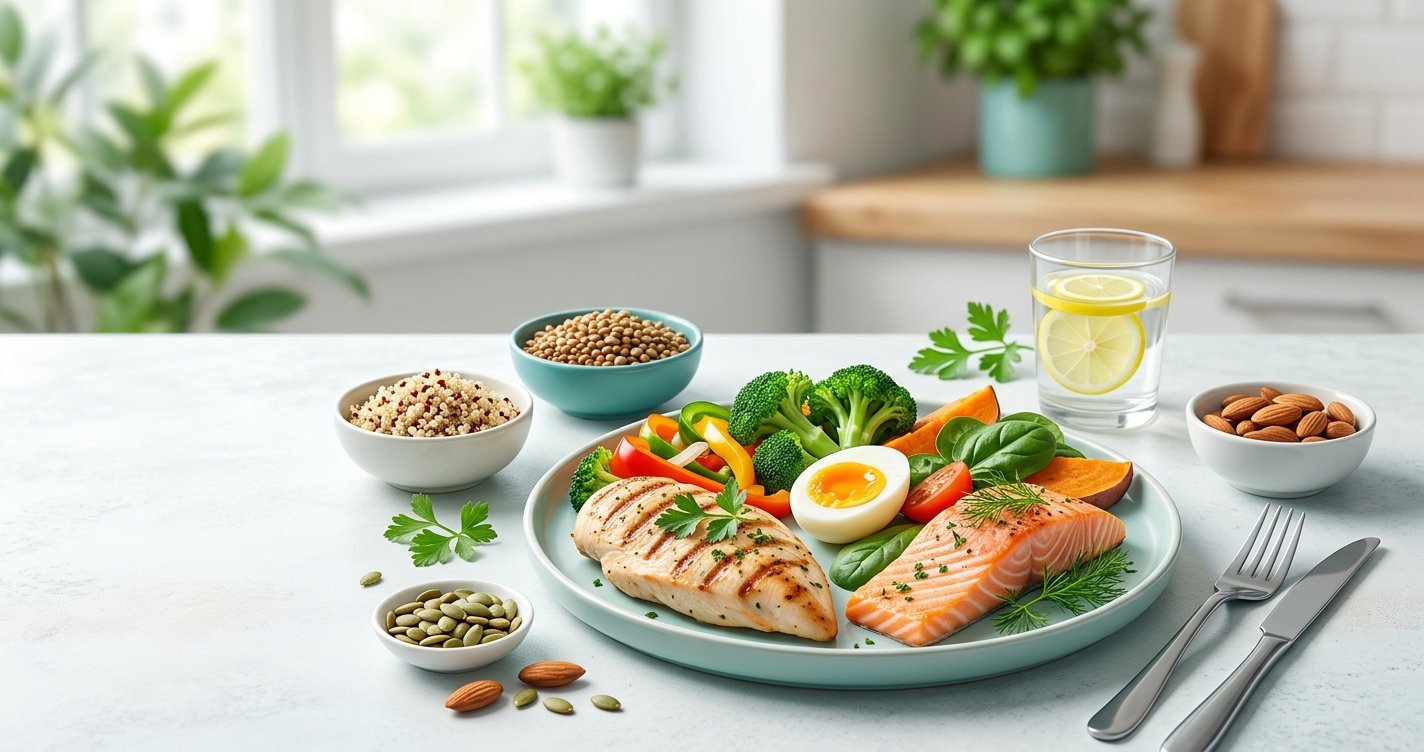
Unlock Sustainable Fat Loss: The Power of a High-Protein Diet
Are you tired of the endless cycle of restrictive diets, fleeting results, and feeling constantly hungry? Many traditional fat loss approaches leave us feeling deprived, leading to rebound weight gain. What if there was a powerful, evidence-based strategy that could help you feel fuller, preserve muscle, and boost your metabolism, all while losing fat sustainably? Enter the high-protein diet.
Protein isn't just for bodybuilders; it's a macronutrient powerhouse that plays a crucial role in achieving and maintaining a healthy body composition. This isn't about deprivation; it's about smart nutrition that works with your body, not against it. Let's dive into why making protein a cornerstone of your diet can be your secret weapon for lasting fat loss. this excellent wellness product
Why Protein is Your Secret Weapon for Fat Loss
Protein stands out among macronutrients (carbohydrates, fats, and protein) for its unique benefits when it comes to weight management. Understanding these benefits is key to harnessing its power.
The Satiety Factor: Feeling Fuller, Longer
One of the biggest challenges in any fat loss journey is managing hunger and cravings. Protein excels here. When you consume protein, it triggers the release of satiety hormones like PYY and GLP-1, while simultaneously reducing levels of ghrelin, the "hunger hormone." This means you feel satisfied more quickly and stay full for longer periods.
- Reduced Snacking: By keeping hunger at bay, a high-protein diet naturally reduces the urge to snack unnecessarily between meals.
- Better Portion Control: Feeling content helps you eat appropriate portions without feeling deprived or overeating.
- Curb Cravings: Stable blood sugar and prolonged satiety help to minimize those insidious cravings for sugary or high-fat comfort foods.
Imagine going through your day feeling genuinely satisfied after meals, rather than constantly thinking about your next snack. That's the power of protein's satiety effect.
Boost Your Metabolism: The Thermic Effect of Food (TEF)
Did you know that your body expends energy just to digest, absorb, and metabolize the food you eat? This is known as the Thermic Effect of Food (TEF). And guess which macronutrient has the highest TEF?
Protein! Approximately 20-30% of the calories you consume from protein are used up during its digestion and metabolism. Compare this to carbohydrates (5-10%) and fats (0-3%). This means that simply by choosing protein-rich foods, you're essentially burning more calories, giving your metabolism a gentle, consistent boost throughout the day. Over time, these small metabolic advantages add up, contributing significantly to your fat loss efforts.
Preserve Muscle, Burn Fat
When you're in a calorie deficit (eating fewer calories than you burn), your body can lose both fat and muscle. Losing muscle is counterproductive for fat loss because muscle tissue is metabolically active, meaning it burns more calories at rest than fat tissue. A high-protein intake is crucial for preserving lean muscle mass during a calorie deficit.
Protein provides the essential amino acids your body needs to repair and build muscle. By supplying adequate protein, you signal to your body to hold onto its muscle while preferentially burning stored fat for energy. This not only helps you achieve a leaner physique but also maintains a healthier resting metabolism, making it easier to keep the fat off in the long run.
How Much Protein Do You Really Need?
The optimal protein intake for fat loss can vary based on individual factors like activity level, age, and current body composition. However, general recommendations for fat loss often fall within the range of 1.6 to 2.2 grams of protein per kilogram of body weight per day (or about 0.7 to 1 gram per pound of body weight).
For example, if you weigh 70 kg (154 lbs), aiming for 112 to 154 grams of protein daily would be beneficial. It might sound like a lot, but by strategically incorporating protein into each meal and snack, it's quite achievable.
Don't fall for the myth that high protein intake is harmful to healthy kidneys. For individuals with healthy kidney function, numerous studies have shown that a high-protein diet is safe and effective for weight loss and muscle preservation.
Smart Protein Choices: Fueling Your Journey
Building a high-protein diet is delicious and varied! Focus on whole, unprocessed protein sources to maximize nutritional benefits.
Lean Animal Sources
- Poultry: Chicken breast, turkey breast (skinless)
- Fish: Salmon, tuna, cod, tilapia (rich in omega-3s too!)
- Lean Red Meat: Sirloin, lean ground beef (90% lean or higher)
- Eggs: Whole eggs are incredibly versatile and nutrient-dense.
- Dairy: Greek yogurt, cottage cheese, milk, whey protein powder.
Plant-Based Powerhouses
If you follow a vegetarian or vegan diet, or simply want to diversify your protein sources, the plant kingdom offers plenty of options:
- Legumes: Lentils, black beans, chickpeas, kidney beans
- Soy Products: Tofu, tempeh, edamame
- Grains: Quinoa, oats (contain some protein)
- Nuts & Seeds: Almonds, walnuts, chia seeds, flax seeds, pumpkin seeds (also good fats!)
- Plant-Based Protein Powders: Pea, rice, hemp protein.
The Role of Protein Supplements
While whole foods should always be your primary source of protein, supplements like whey protein, casein, or plant-based protein powders can be a convenient and effective way to meet your daily protein targets, especially after workouts or when you're on the go. They are not magic pills, but useful tools in your dietary arsenal.
Integrating Protein into Your Daily Meals
Making protein a priority doesn't have to be complicated. Here's how to distribute it effectively throughout your day:
- Breakfast: Start strong! Scrambled eggs, Greek yogurt with berries, a protein smoothie, or cottage cheese.
- Lunch: Add grilled chicken to your salad, make a tuna sandwich on whole wheat, or enjoy a lentil soup.
- Dinner: A lean protein source like baked salmon, roasted chicken, or a tofu stir-fry should be the centerpiece of your evening meal.
- Snacks: Opt for high-protein snacks like a handful of almonds, a hard-boiled egg, a small serving of cottage cheese, or a protein bar.
Aim to include a good source of protein with every meal and snack. This consistent intake helps maintain satiety and muscle protein synthesis throughout the day.
Beyond Protein: Holistic Habits for Sustainable Success
While protein is a superstar for fat loss, it's part of a larger picture. For truly sustainable results, remember these complementary habits:
- Calorie Awareness: Protein helps manage calorie intake by enhancing satiety, but overall calorie balance still matters. You still need to be in a modest calorie deficit to lose fat.
- Hydration: Drink plenty of water throughout the day. Sometimes thirst can be mistaken for hunger.
- Strength Training: Pairing a high-protein diet with resistance training is the ultimate combination for building and preserving muscle while burning fat.
- Adequate Sleep: Poor sleep can disrupt hunger hormones and lead to increased cravings and fat storage.
- Mindful Eating: Pay attention to your body's hunger and fullness cues. Eat slowly and savor your meals.
- Consistency and Patience: Sustainable fat loss is a journey, not a sprint. Be consistent with your protein intake and healthy habits, and trust the process.
Embrace the Power of Protein for Lasting Change
Adopting a high-protein diet is more than just another fad; it’s an evidence-backed strategy for effective and sustainable fat loss. By harnessing protein's ability to boost satiety, increase metabolic rate, and preserve muscle mass, you can transform your body composition, feel more energized, and escape the restrictive cycle of traditional dieting.
Ready to make a change that truly lasts? Start by making protein a priority in every meal. Your body will thank you!