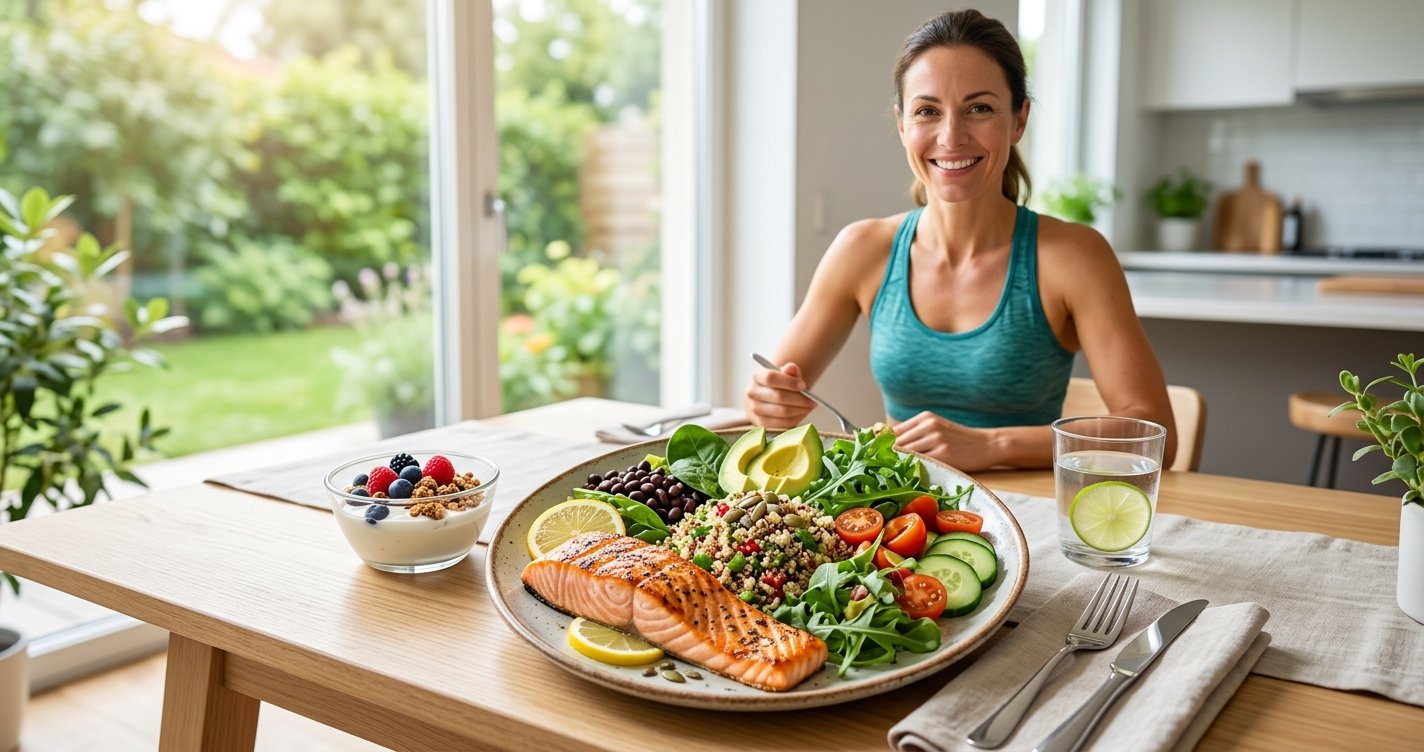
Are you on a quest to shed those stubborn extra pounds, feeling like you've tried everything with limited success? You're not alone! The world of fat loss can feel overwhelming, packed with conflicting advice and temporary fixes. But what if there was a powerful, evidence-based strategy that could not only help you lose fat but keep it off for good? Enter the high-protein diet – a game-changer for sustainable fat loss.
It's more than just a bodybuilding secret; incorporating ample protein into your daily meals is a fundamental pillar of effective and healthy weight management. This isn't about restrictive eating or bland meals; it's about smart nutrition that works with your body, not against it. Ready to discover how making protein your dietary MVP can transform your fat loss journey? Let's dive in! this excellent wellness product
Why Protein Is Your Best Friend for Fat Loss
Protein isn't just a macronutrient; it's a strategic ally in your battle against unwanted fat. Its unique properties offer several significant advantages that directly contribute to successful and sustainable fat loss.
Satiety and Appetite Control: Say Goodbye to Constant Cravings
One of the biggest challenges in any fat loss journey is managing hunger and cravings. This is where protein shines! Numerous studies show that protein is the most satiating macronutrient. When you eat protein, it triggers the release of gut hormones like PYY and GLP-1, which send signals to your brain that you're full and satisfied. This means fewer hunger pangs, reduced snacking between meals, and ultimately, a lower overall calorie intake without feeling deprived. Imagine going longer between meals feeling genuinely content – that’s the protein advantage!
The Thermic Effect of Food (TEF): Burn More Calories Just by Eating
Did you know your body burns calories just to digest, absorb, and process the nutrients from your food? This is known as the Thermic Effect of Food (TEF). Protein has a significantly higher TEF compared to carbohydrates and fats. While carbs require about 5-10% of their calories to be burned during digestion, and fats around 0-3%, protein demands a whopping 20-30%! This means that for every 100 calories of protein you consume, your body uses 20-30 of those calories just to process it. It's like a metabolic bonus, helping you burn more calories around the clock.
Muscle Preservation: Protecting Your Metabolism
When you're in a calorie deficit to lose fat, there's always a risk of losing precious muscle mass along with fat. This is detrimental because muscle is metabolically active, meaning it burns more calories at rest than fat does. Losing muscle can slow down your metabolism, making it harder to sustain fat loss and easier to regain weight. A high-protein diet helps to signal your body to preserve muscle mass, even during a calorie deficit. Combined with strength training, adequate protein intake ensures that the weight you lose is primarily fat, keeping your metabolism revving and your body strong.
How Much Protein Do You Really Need for Optimal Fat Loss?
So, we know protein is crucial, but how much is enough? General dietary guidelines often suggest a lower amount of protein, but for active individuals or those specifically aiming for fat loss, a higher intake is beneficial. While individual needs can vary based on activity level, age, and current body composition, a common recommendation for fat loss is to aim for:
- 1.6 to 2.2 grams of protein per kilogram of body weight (or 0.7 to 1 gram per pound of body weight) per day.
For example, if you weigh 150 pounds (approximately 68 kg), you would aim for roughly 105 to 150 grams of protein per day. It might sound like a lot, but it’s entirely achievable with smart food choices and consistent effort. Spreading your protein intake throughout the day, rather than trying to consume it all in one meal, is key for optimal absorption and muscle protein synthesis.
Practical Strategies for Upping Your Protein Intake
Integrating more protein into your diet doesn't have to be complicated or boring. Here are some actionable tips to effortlessly boost your daily intake:
Smart Meal Planning: Make Protein the Star
Think of protein as the anchor for every meal. Build your plates around a lean protein source first. Here are some ideas:
- Breakfast: Scrambled eggs, Greek yogurt, cottage cheese, protein smoothie, or even leftover lean chicken.
- Lunch: Chicken breast salad, tuna wrap, lentil soup, or a lean turkey sandwich on whole-grain bread.
- Dinner: Baked salmon, grilled steak, tofu stir-fry, or a hearty bean and vegetable chili.
Don't forget plant-based proteins! Lentils, beans, chickpeas, quinoa, tempeh, and edamame are excellent options for vegetarians and vegans.
Protein-Packed Snacks: Fueling Between Meals
Snacking strategically can keep hunger at bay and contribute to your daily protein goals. Opt for snacks that deliver a good protein punch:
- A handful of almonds or walnuts
- Hard-boiled eggs
- Greek yogurt with a few berries
- Cottage cheese with a sprinkle of pepper
- Edamame pods
- Beef jerky (check for low sugar options)
- Small protein shake
The Role of Supplements: When and How to Use Them
While whole foods should always be your primary source of protein, supplements can be a convenient and effective way to meet your daily targets, especially if you have a busy lifestyle or higher protein needs. Whey, casein, and plant-based protein powders (pea, rice, soy) are popular choices. They're great for:
- Post-workout recovery
- Quick breakfast smoothies
- Adding to oatmeal or baked goods
- As a convenient snack when whole food options aren't available
Remember, supplements are designed to *supplement* your diet, not replace nutrient-dense whole foods.
Building a Balanced High-Protein Plate
While protein is paramount, a truly effective fat loss diet is also balanced. Don't forget to include other essential nutrients to support overall health and energy levels:
- Fiber-Rich Carbohydrates: Think whole grains (oats, quinoa, brown rice), fruits, and plenty of vegetables. These provide energy, essential vitamins and minerals, and additional satiety.
- Healthy Fats: Avocados, nuts, seeds, olive oil, and fatty fish (like salmon) are crucial for hormone production, nutrient absorption, and overall well-being. Fats also contribute to satiety.
A typical balanced, high-protein meal might look like a palm-sized portion of lean protein, two fist-sized servings of non-starchy vegetables, a cupped handful of complex carbohydrates, and a thumb-sized portion of healthy fats.
Common Myths and Misconceptions About High-Protein Diets
Despite its benefits, high-protein diets often get a bad rap due to several persistent myths. Let's set the record straight:
- Myth: High protein harms your kidneys.
Fact: For healthy individuals with normal kidney function, there is no scientific evidence that a high-protein diet causes kidney damage. In fact, studies show it's safe and beneficial. If you have pre-existing kidney disease, consult your doctor before making significant dietary changes. - Myth: Too much protein will make women 'bulky'.
Fact: Building significant muscle mass is a challenging process, especially for women who naturally have lower levels of testosterone. Adequate protein supports lean muscle development, which helps with a toned physique and a faster metabolism, not unwanted bulk. - Myth: High-protein diets are expensive.
Fact: While some premium protein sources can be pricey, many excellent options are budget-friendly. Think eggs, canned tuna, beans, lentils, cottage cheese, chicken thighs, and frozen chicken breasts. Smart shopping and meal prep can make it very affordable.
Beyond the Plate: Lifestyle Factors for Sustainable Fat Loss
While nutrition is a cornerstone, remember that sustainable fat loss is a holistic endeavor. For the best results, complement your high-protein diet with these key lifestyle components:
- Strength Training: Crucial for building and preserving muscle, which boosts your metabolism and improves body composition. Aim for 2-3 sessions per week.
- Adequate Sleep: Poor sleep can disrupt hormones that regulate hunger (ghrelin and leptin), making you hungrier and more prone to cravings. Aim for 7-9 hours per night.
- Stress Management: Chronic stress can elevate cortisol levels, which can promote fat storage, especially around the midsection. Incorporate stress-reducing activities like meditation, yoga, or spending time in nature.
- Hydration: Drinking plenty of water supports metabolism, helps with satiety, and is vital for overall health.
Your Journey to Sustainable Fat Loss Starts Here
Embracing a high-protein diet is not just another fad; it's a scientifically supported, sustainable strategy for effective fat loss. By harnessing protein's power to boost satiety, increase calorie burn, and preserve muscle, you're setting yourself up for success that lasts. Remember, consistency is key, and small, incremental changes add up to significant results.
Start today by making protein a priority in every meal. Experiment with new recipes, discover your favorite protein-packed snacks, and combine this nutritional powerhouse with smart lifestyle choices. You have the power to transform your body and achieve the sustainable fat loss you've been striving for. Here's to a stronger, healthier, and more vibrant you!