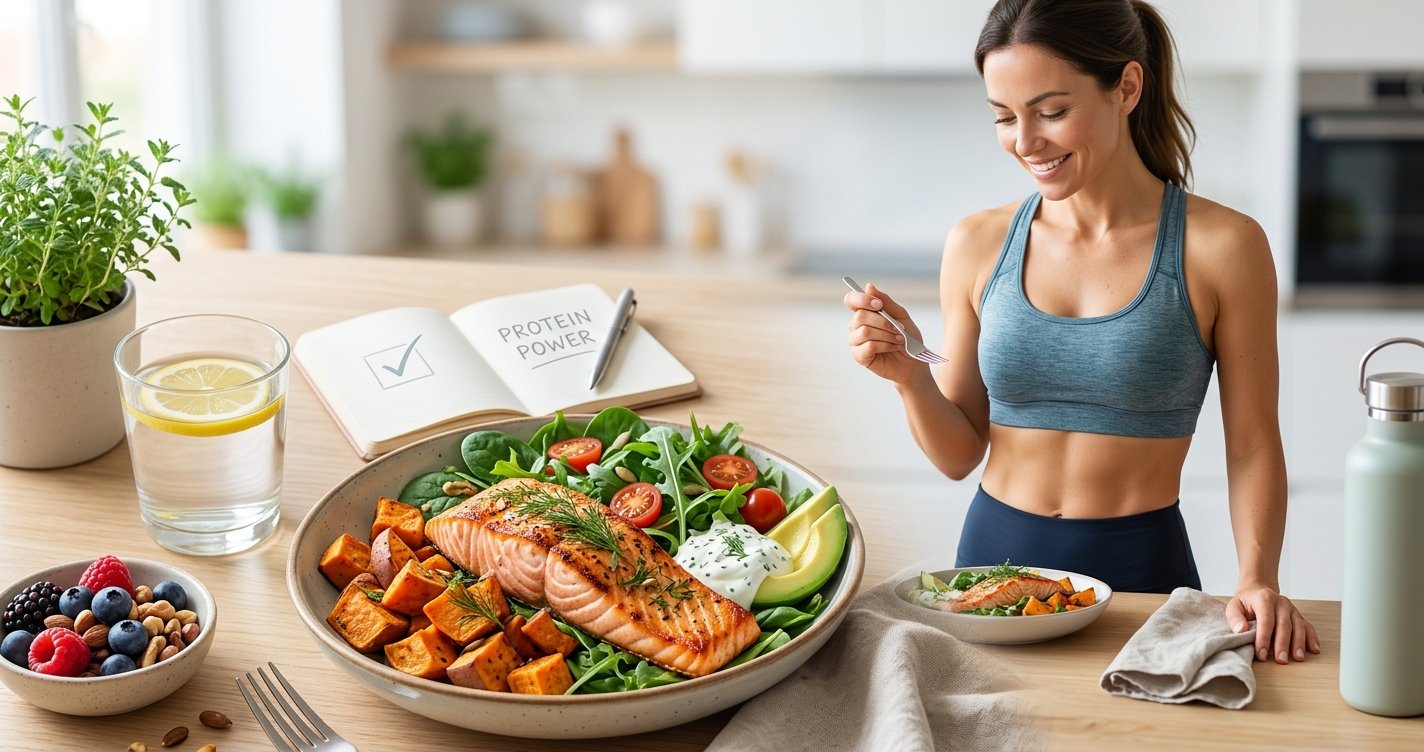
Tired of Yo-Yo Diets? Discover the High-Protein Secret to Sustainable Fat Loss
Let's be honest: the world of fat loss can feel like a confusing maze, filled with quick fixes, restrictive diets, and promises that rarely deliver long-term results. You've probably tried a few, felt frustrated, and maybe even gained back more weight than you lost. Sound familiar? You're not alone.
But what if there was a powerful, evidence-based strategy that not only helps you shed unwanted fat but also makes the process feel more satisfying, keeps you full, and protects your precious muscle? Enter the high-protein diet. This isn't another fad; it's a scientifically-backed approach that can revolutionize your fat loss journey, making it more sustainable and enjoyable. We're talking about building a healthier, stronger you, without feeling deprived or constantly battling hunger. this excellent wellness product
Ready to ditch the guesswork and embrace a strategy that truly works? Let's dive into why protein is your ultimate ally in the quest for sustainable fat loss.
Why Protein Is Your Ultimate Fat Loss Friend
Protein isn't just for bodybuilders; it's a macronutrient powerhouse vital for everyone, especially when you're aiming for fat loss. Its unique properties work synergistically to create an optimal environment for shedding fat while preserving lean muscle mass. Here’s how it works its magic:
The Satiety Secret: Feeling Full, Naturally
One of the biggest challenges in any fat loss journey is managing hunger. Cravings and constant rumbling stomachs often lead to overeating and derailing progress. This is where protein shines! Studies consistently show that protein is the most satiating macronutrient. When you consume protein, it triggers the release of hormones like GLP-1 and cholecystokinin (CCK) that signal fullness to your brain, helping you feel satisfied for longer periods. This means fewer cravings, less snacking, and naturally reduced calorie intake without feeling deprived. Imagine going about your day feeling comfortably full, rather than constantly thinking about your next meal!
Boosting Your Metabolism: The Thermic Effect of Food
Did you know that your body burns calories just to digest and process the food you eat? This is known as the Thermic Effect of Food (TEF), and protein has the highest TEF compared to carbohydrates and fats. Roughly 20-30% of the calories from protein are expended during digestion, compared to 5-10% for carbs and 0-3% for fats. This means that by simply eating more protein, you're giving your metabolism a small but significant boost, helping you burn more calories around the clock. It's like having a tiny, internal fat-burning furnace always on!
Protecting Your Muscle: Why It Matters for Fat Loss
When you lose weight, especially through calorie restriction, there's always a risk of losing both fat and muscle. Losing muscle is detrimental because muscle tissue is metabolically active, meaning it burns more calories at rest than fat tissue. A higher muscle mass translates to a faster resting metabolism. A high-protein intake, especially when combined with resistance training, helps to preserve muscle mass during a calorie deficit. This ensures that the weight you're losing is primarily fat, not precious muscle, which keeps your metabolism humming and helps you maintain your results long-term.
How Much Protein Do You Really Need?
This is a common question, and while individual needs vary, scientific consensus provides clear guidelines. For optimal fat loss and muscle preservation, most research suggests consuming between 1.6 to 2.2 grams of protein per kilogram of body weight (or 0.7 to 1 gram per pound of body weight) per day. For example, a person weighing 150 pounds (approx. 68 kg) would aim for roughly 105-150 grams of protein daily.
It's also beneficial to distribute your protein intake throughout the day, aiming for 20-40 grams per meal and snack. This helps maximize muscle protein synthesis and keeps you feeling satiated consistently.
Smart Protein Sources: Beyond Chicken Breast
While chicken breast is a fantastic lean protein, a varied diet is key for nutrient diversity and preventing boredom. Here are some excellent protein sources to incorporate:
- Lean Meats: Chicken, turkey, lean beef, pork loin.
- Fish & Seafood: Salmon, tuna, cod, shrimp, scallops (rich in omega-3s!).
- Eggs: Whole eggs are packed with protein and essential nutrients.
- Dairy: Greek yogurt, cottage cheese, milk, whey protein (great for snacks or post-workout).
- Legumes & Lentils: Black beans, chickpeas, lentils (also great fiber sources).
- Plant-Based Proteins: Tofu, tempeh, edamame, seitan, quinoa, plant-based protein powders.
Don't be afraid to experiment and find what you enjoy most. Variety ensures you're getting a wide array of amino acids and micronutrients.
Practical Tips for Upping Your Protein Intake
Incorporating more protein into your diet doesn't have to be complicated. Here are some easy strategies:
- Start Your Day Strong: Opt for high-protein breakfasts like Greek yogurt with berries, scrambled eggs, or a protein smoothie.
- Protein at Every Meal: Make protein the centerpiece of your lunch and dinner. Think grilled chicken salad, lentil soup, or a lean steak with veggies.
- Smart Snacking: Replace sugary snacks with protein-rich options like a handful of almonds, cottage cheese, hard-boiled eggs, or a protein bar.
- Plan Ahead: Meal prepping can save you time and ensure you have healthy, high-protein options readily available. Cook a batch of chicken or lentils at the beginning of the week.
- Use Protein Powder: A convenient way to boost your intake, especially post-workout or as part of a quick meal replacement.
- Load Up on Veggies: While not primary protein sources, many vegetables contain small amounts of protein and add volume and nutrients to your high-protein meals.
Combining Protein with Other Pillars of Fat Loss
While protein is a superstar, it works best when integrated into a holistic approach to fat loss. Remember to:
- Incorporate Resistance Training: Lifting weights is crucial for building and preserving muscle mass, which works hand-in-hand with protein intake.
- Prioritize Sleep: Adequate sleep helps regulate hunger hormones and supports recovery.
- Stay Hydrated: Water plays a key role in metabolism and can help manage hunger.
- Eat Your Fiber: Found in fruits, vegetables, and whole grains, fiber enhances satiety and digestive health.
- Include Healthy Fats: Essential for hormone production and nutrient absorption, and they add to satiety.
Making it Sustainable: A Lifestyle, Not a Diet
The beauty of a high-protein approach is its sustainability. It's not about restriction; it's about smart choices and fueling your body optimally. This isn't a temporary fix, but a long-term strategy that integrates seamlessly into a healthy lifestyle. Listen to your body, be patient with yourself, and celebrate small victories along the way. Fat loss is a journey, and with protein as your trusted companion, you're setting yourself up for lasting success.
Conclusion: Embrace the Power of Protein for Lasting Results
If you're serious about sustainable fat loss, feeling full, boosting your metabolism, and protecting your hard-earned muscle, then embracing a high-protein diet is one of the most effective strategies you can adopt. It’s evidence-based, highly effective, and surprisingly simple to implement. By making protein a priority in your meals and snacks, you’ll unlock a powerful tool that transforms your body composition and empowers you to maintain your results for years to come.
So, go ahead – stock your fridge with lean proteins, get creative in the kitchen, and start feeling the incredible benefits. Your body (and your waistline) will thank you!