Unlock Sustainable Fat Loss: The Power of a High-Protein Diet
Are you tired of the endless cycle of restrictive diets, quick fixes, and the frustration of losing weight only to gain it back? You’re not alone. The journey to fat loss can feel like a daunting maze, but what if there was a powerful, evidence-based strategy that could transform your body composition, boost your metabolism, and keep you feeling satisfied? Enter the high-protein diet.
Forget the old notion that protein is just for bodybuilders. For anyone aiming for sustainable fat loss, protein is your secret weapon. It’s not just about shedding pounds; it’s about losing fat while preserving precious muscle, leading to a leaner, stronger, and healthier you. In this comprehensive guide, we’ll dive deep into the science behind why protein is so effective for fat loss and how you can harness its power to achieve lasting results. this excellent wellness product
Why Protein is Your Fat Loss Friend: More Than Just Muscle
While protein is undeniably crucial for muscle growth and repair, its benefits for fat loss extend far beyond the gym. It plays a multifaceted role in helping you achieve and maintain a healthy body composition. Let’s explore the key mechanisms:
- Satiety & Appetite Control: Protein is the most satiating macronutrient, meaning it keeps you feeling fuller for longer.
- Muscle Preservation: Crucial for maintaining your metabolic engine during a calorie deficit.
- Thermic Effect of Food (TEF): Protein requires more energy to digest, leading to more calories burned.
Taming Cravings: Protein’s Role in Satiety
One of the biggest hurdles in any fat loss journey is battling hunger and cravings. This is where protein shines. Numerous studies have consistently shown that protein intake significantly impacts satiety, helping to reduce overall calorie consumption naturally.
When you consume protein, it triggers the release of specific hormones in your gut, such as GLP-1, PYY, and cholecystokinin (CCK), which signal to your brain that you’re full. Simultaneously, it helps suppress ghrelin, the “hunger hormone.” This powerful hormonal interplay means that a high-protein meal or snack can dramatically reduce your desire to eat more, preventing overeating and unnecessary snacking. Imagine feeling genuinely satisfied after your meals, without constantly thinking about food – that’s the protein advantage!
Build and Preserve: Protein and Muscle Mass
When you reduce your calorie intake for fat loss, your body doesn't discriminate – it can sometimes break down muscle tissue along with fat. This is detrimental because muscle is metabolically active; the more muscle you have, the more calories you burn at rest. Losing muscle means a slower metabolism, making sustained fat loss harder.
A high-protein diet acts as a protective shield for your muscles. By providing your body with a steady supply of amino acids (the building blocks of protein), you signal to your body to preserve lean muscle mass, even in a calorie deficit. Combined with resistance training, adequate protein intake ensures that the weight you lose is predominantly fat, leading to a more toned, defined physique and a more efficient metabolism in the long run.
The Metabolic Edge: Thermic Effect of Food (TEF)
Every time you eat, your body expends energy to digest, absorb, and metabolize the nutrients from your food. This is known as the Thermic Effect of Food (TEF). Different macronutrients have varying TEF values:
- Fats: 0-3% of calories consumed
- Carbohydrates: 5-10% of calories consumed
- Protein: 20-30% of calories consumed
What does this mean for you? If you eat 100 calories from protein, your body might burn 20-30 of those calories just in the digestion process. Compare that to fats, where only 0-3 calories are burned. This “metabolic boost” from protein, though seemingly small per meal, adds up over the course of a day and weeks, contributing to your overall calorie deficit and accelerating your fat loss efforts without you even noticing.
How Much Protein Do You Really Need for Fat Loss?
The Recommended Dietary Allowance (RDA) for protein is 0.8 grams per kilogram of body weight, but this is merely the minimum to prevent deficiency, not necessarily optimal for fat loss or active individuals. For effective fat loss and muscle preservation, research suggests a higher intake.
A widely accepted range for active individuals aiming for fat loss is 1.6 to 2.2 grams of protein per kilogram of body weight (or roughly 0.7 to 1 gram per pound of body weight). For example, a person weighing 70 kg (154 lbs) would aim for approximately 112-154 grams of protein per day. It’s best to distribute this intake throughout your day, aiming for 20-40 grams of protein per meal and snack to maximize muscle protein synthesis and satiety.
Practical Strategies to Boost Your Protein Intake
Incorporating more protein into your diet doesn’t have to be complicated or bland. Here are some actionable tips:
- Prioritize Protein at Breakfast: Start your day strong with eggs, Greek yogurt, cottage cheese, or a protein smoothie. This sets the tone for satiety throughout the day.
- Lean Meats and Fish: Include chicken breast, turkey, lean beef, salmon, tuna, and cod in your main meals.
- Plant-Based Powerhouses: Tofu, tempeh, lentils, beans, chickpeas, and edamame are excellent sources of plant protein.
- Smart Snacking: Opt for protein-rich snacks like a handful of almonds, a hard-boiled egg, cheese sticks, or a protein bar (check sugar content).
- Protein Powder: A convenient way to boost intake, especially post-workout or as part of a smoothie.
- Distribute Evenly: Instead of one massive protein meal, aim to spread your protein intake across all meals and snacks to maintain consistent satiety and muscle support.
- Cook in Bulk: Prepare larger batches of protein sources like grilled chicken or roasted chickpeas to easily add to meals throughout the week.
Crafting Your High-Protein Plate: A Sample Day
Here’s an example of how you might structure a high-protein day for fat loss:
- Breakfast: Scrambled eggs (3 large) with spinach and a slice of whole-wheat toast.
- Lunch: Large salad with grilled chicken breast (150g), mixed greens, cucumber, bell peppers, and a light vinaigrette.
- Snack: Greek yogurt (1 cup) with a few berries and a sprinkle of chia seeds.
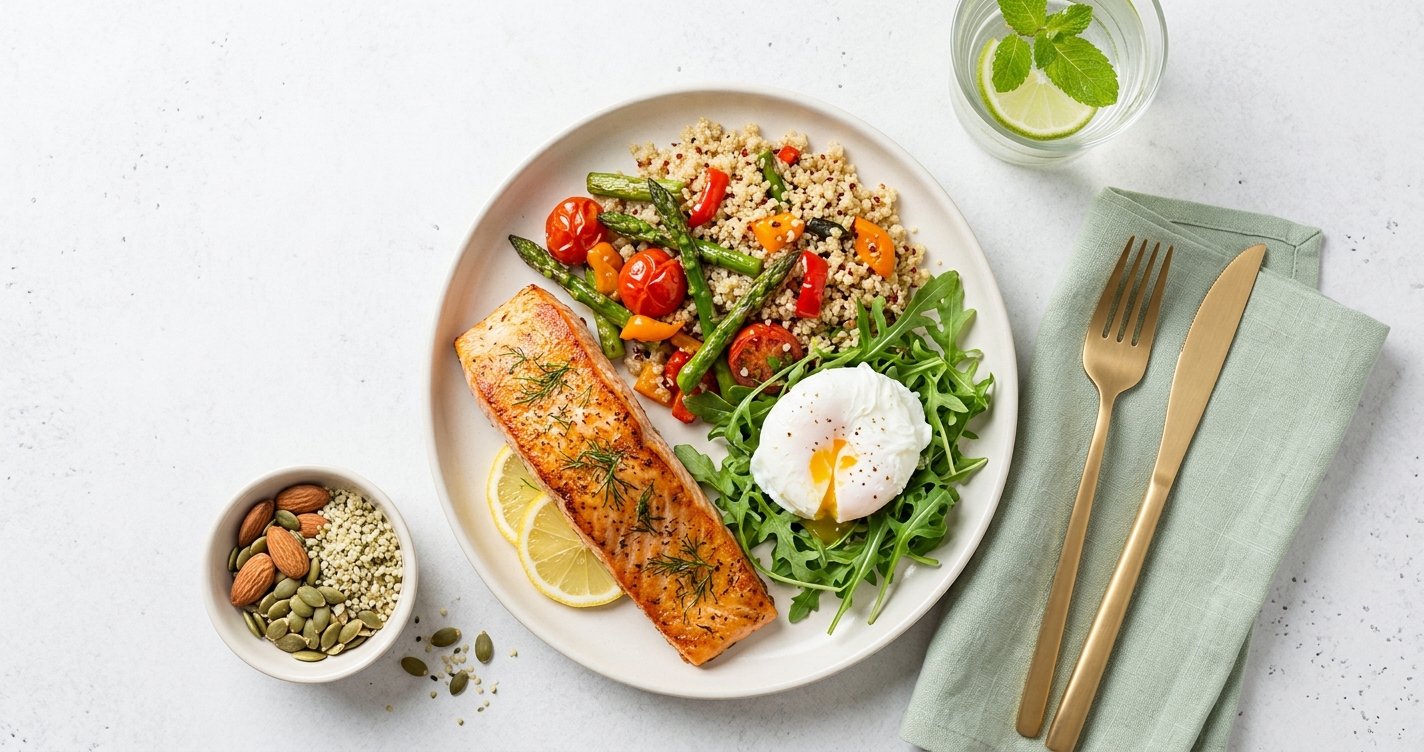
- Dinner: Baked salmon fillet (150g) with quinoa (1/2 cup cooked) and a generous serving of steamed broccoli.
- Optional Post-Workout: Whey protein shake (1 scoop with water/unsweetened almond milk).
Beyond Protein: The Holistic Approach to Sustainable Fat Loss
While protein is a superstar for fat loss, it’s important to remember that it’s one piece of a larger puzzle. For truly sustainable results, integrate protein into a holistic approach:
- Calorie Deficit is Key: Protein helps you achieve it, but you still need to consume fewer calories than you burn.
- Whole Foods Focus: Pair your protein with plenty of fruits, vegetables, and whole grains for fiber, vitamins, and minerals.
- Healthy Fats: Don’t neglect healthy fats from avocados, nuts, seeds, and olive oil for hormone health and satiety.
- Hydration: Drink plenty of water throughout the day.
- Strength Training: Crucial for building and maintaining muscle mass, which works synergistically with protein.
- Regular Activity: Incorporate cardio and daily movement.
- Quality Sleep: Lack of sleep can disrupt hormones that regulate appetite and fat storage.
- Stress Management: Chronic stress can impact fat loss efforts.
Embrace protein as a cornerstone of your fat loss strategy, but always remember to view your health and body composition through a comprehensive lens. It’s about making sustainable lifestyle changes, not just temporary fixes.
By understanding and implementing the power of a high-protein diet, you’re not just pursuing weight loss; you’re investing in a more energized, satisfied, and healthier version of yourself. Start making these changes today, be consistent, and watch as your body transforms in a sustainable, powerful way!