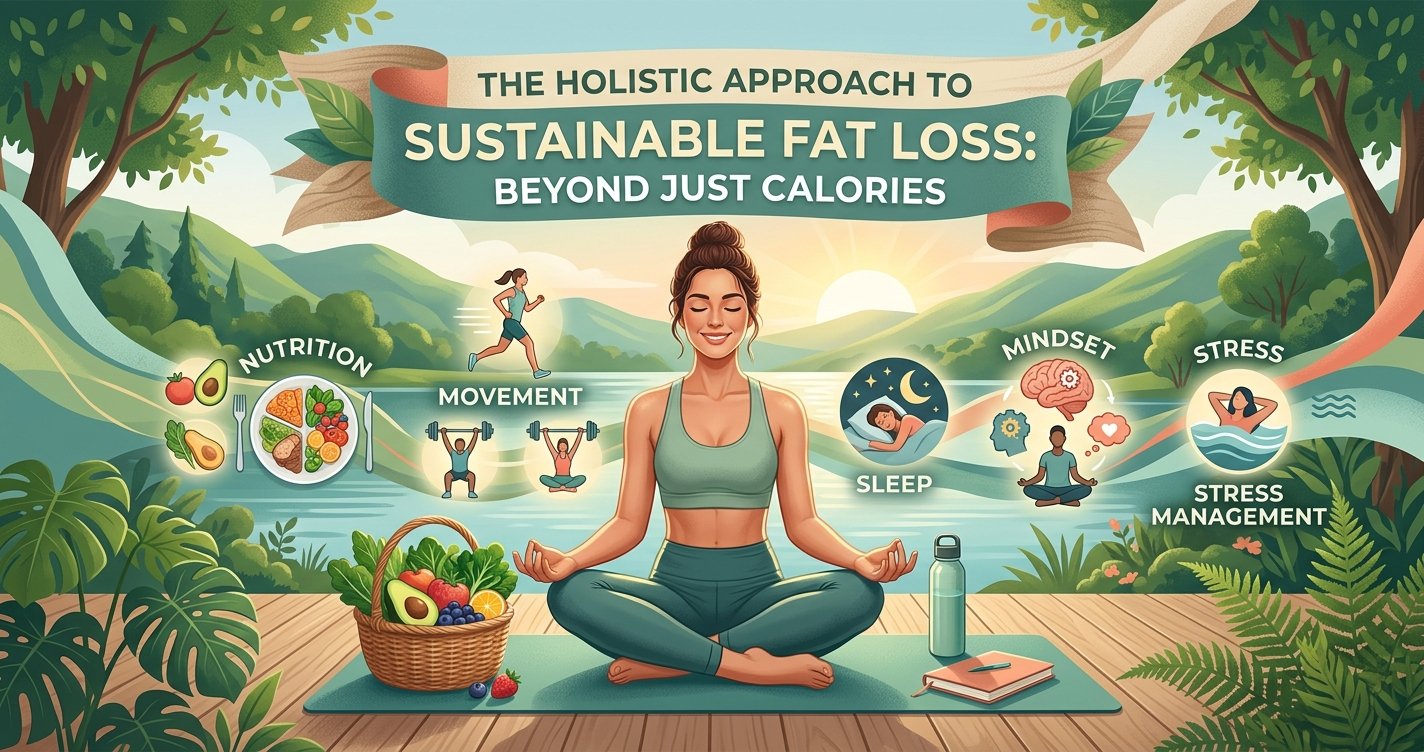
Are you tired of the never-ending cycle of dieting, losing a few pounds, only to gain them back (and sometimes more)? You’re not alone. The conventional wisdom often tells us that fat loss is simply a matter of “calories in, calories out.” While a calorie deficit is indeed a fundamental principle, it’s far from the whole story. For true, sustainable fat loss that lasts a lifetime, we need to look beyond just the numbers and embrace a holistic approach that nurtures your body and mind.
This isn’t about quick fixes or extreme deprivation. It’s about building sustainable habits that support your overall health, energy, and well-being, naturally leading to a leaner, stronger you. Let’s dive into the pillars of this powerful approach. this excellent wellness product
Why "Just Calories" Isn't Enough for Sustainable Fat Loss
The Calorie Deficit: A Foundation, Not the Whole Building
Yes, to lose fat, you generally need to consume fewer calories than your body burns. This creates a “calorie deficit.” However, focusing solely on cutting calories without considering where those calories come from, or what else is happening in your body, can lead to:
- Metabolic Adaptation: Your body is smart. If calories drop too low for too long, your metabolism can slow down to conserve energy, making further fat loss harder.
- Hormonal Imbalance: Extreme deficits can mess with hunger hormones like ghrelin (makes you hungry) and leptin (makes you full), turning your appetite into a relentless foe.
- Nutrient Deficiencies: Restricting food groups can lead to missing vital vitamins and minerals, impacting energy, mood, and overall health.
- Burnout and Rebound: Deprivation often leads to cravings, binge eating, and ultimately, giving up and regaining weight.
Sustainable fat loss requires a smarter strategy that works with your body, not against it.
Pillar 1: Nourishing Your Body with Smart Nutrition
What you eat plays a monumental role, not just in calories, but in satiety, hormone regulation, and metabolic health.
Prioritize Protein: Your Satiety & Muscle Ally
Protein is king for fat loss. It’s the most satiating macronutrient, meaning it keeps you feeling fuller for longer, reducing overall calorie intake naturally. It also has a higher thermic effect – your body burns more calories digesting protein than carbs or fats. Crucially, protein helps preserve muscle mass during a calorie deficit, which is vital for maintaining a healthy metabolism.
- Sources: Lean meats (chicken, turkey), fish, eggs, Greek yogurt, cottage cheese, legumes, tofu, protein powder.
Embrace Fiber: The Gut-Friendly Fullness Factor
Fiber, found in plant foods, adds bulk to your meals without adding many calories. It slows down digestion, promoting stable blood sugar levels and extended feelings of fullness. It also feeds beneficial gut bacteria, which can positively influence metabolism and mood.
- Sources: Fruits, vegetables, whole grains (oats, quinoa, brown rice), beans, lentils, nuts, seeds.
Don't Fear Healthy Fats: Essential for Hormones and Satiety
Healthy fats are crucial for hormone production, nutrient absorption, and providing sustained energy. While calorie-dense, a moderate amount of healthy fats can significantly improve satiety and prevent cravings, making your diet more enjoyable and sustainable.
- Sources: Avocados, nuts, seeds, olive oil, fatty fish (salmon, mackerel).
Hydration: Often Overlooked, Always Important
Drinking enough water is simple, yet incredibly effective. Sometimes, your body confuses thirst for hunger. Staying well-hydrated can help manage appetite, boost metabolism slightly, and ensure all your bodily functions are running optimally.
Pillar 2: Moving Your Body Smartly and Consistently
Exercise isn’t just about burning calories; it’s about building a stronger, more efficient body that's better at burning fat.
Strength Training: Your Metabolism's Best Friend
Lifting weights (or using your body weight) is arguably the most impactful exercise for fat loss. Muscle is metabolically active tissue, meaning it burns more calories at rest than fat does. Building muscle increases your resting metabolic rate (RMR), making your body a more efficient fat-burning machine 24/7. Plus, it shapes your body, giving you a toned, defined physique.
- Aim for: 2-4 sessions per week, focusing on compound movements (squats, deadlifts, presses, rows).
Cardio: Heart Health and Calorie Burn
Cardiovascular exercise is excellent for heart health, improves endurance, and burns calories during the activity. Incorporate a mix of steady-state cardio (like brisk walking or jogging) and perhaps some high-intensity interval training (HIIT) for an added metabolic boost.
- Aim for: 150-300 minutes of moderate-intensity cardio or 75-150 minutes of vigorous-intensity cardio per week.
NEAT (Non-Exercise Activity Thermogenesis): The Everyday Edge
NEAT refers to the calories you burn doing everything that isn't sleeping, eating, or structured exercise. This includes walking, standing, fidgeting, taking the stairs, cleaning, and gardening. Increasing your NEAT throughout the day can significantly contribute to your overall calorie expenditure without feeling like a workout.
- Try to: Take more steps, stand more often, park further away, take the stairs.
Pillar 3: The Power of Rest, Recovery, and Stress Management
Often overlooked, these factors are critical for hormonal balance and sustainable progress.
Sleep: Your Secret Weapon for Fat Loss
Lack of sleep wreaks havoc on your hormones. It increases ghrelin (hunger hormone) and decreases leptin (satiety hormone), making you hungrier and less satisfied. It also elevates cortisol, the stress hormone, which can promote belly fat storage and impair insulin sensitivity. Prioritizing 7-9 hours of quality sleep per night is non-negotiable for effective fat loss.
Stress Management: Taming the Cortisol Beast
Chronic stress keeps cortisol levels elevated, leading to increased appetite, cravings for sugary and fatty foods, and a tendency to store fat around the midsection. Finding healthy ways to manage stress is paramount. This could be meditation, yoga, spending time in nature, journaling, or connecting with loved ones.
Pillar 4: Cultivating a Mindset for Lasting Success
Your mental approach to fat loss can make or break your journey.
Focus on Habits, Not Just Outcomes
Instead of fixating on the number on the scale, shift your focus to building consistent, healthy habits. Celebrate small victories, like consistently hitting your protein goals, getting your workouts in, or choosing an apple over a cookie. These small actions compound into significant results over time.
Mindful Eating: Connecting with Your Body's Cues
Eat slowly, savor your food, and pay attention to your body’s hunger and fullness signals. This helps prevent overeating and fosters a healthier relationship with food. Eating mindfully can transform mealtime from a chore into an enjoyable, nourishing experience.
Self-Compassion and Patience: The Journey, Not the Race
There will be days when you slip up, when motivation wanes, or when the scale doesn't move as you expect. This is normal. Treat yourself with kindness, learn from setbacks, and get back on track. Sustainable fat loss is a marathon, not a sprint. Patience and persistence are your greatest allies.
Embrace the Holistic Journey
Sustainable fat loss is about so much more than just cutting calories. It’s about nourishing your body with nutrient-dense foods, challenging it with smart movement, allowing it to recover with quality sleep, and fostering a positive, resilient mindset. By embracing this holistic approach, you’re not just losing weight; you’re building a healthier, happier, and more vibrant life for yourself. Start with one small change today, be consistent, and trust the process. Your future self will thank you!