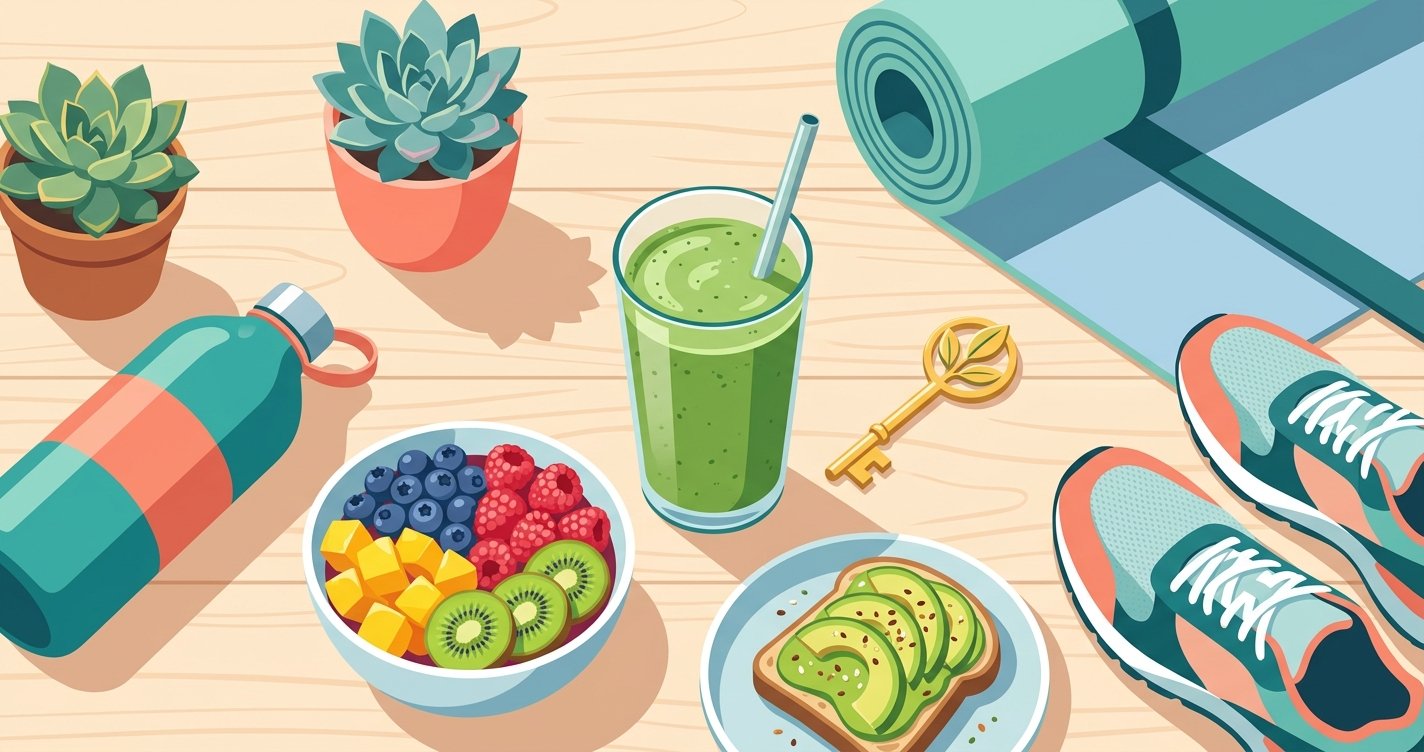
Tired of the endless cycle of restrictive diets and intense workout programs that promise quick fixes but deliver fleeting results? You're not alone. Many embark on a fat loss journey with high hopes, only to find themselves burnt out, frustrated, and often regaining lost weight. The truth is, sustainable fat loss isn't about deprivation or extreme measures; it's about cultivating a holistic lifestyle that supports your body and mind for the long haul. This isn't just about shedding pounds; it's about building a healthier, happier, and more energetic you.
In this comprehensive guide, we'll dive deep into a multi-faceted approach to fat loss that goes beyond calorie counting and cardio. We'll explore how nutrition, exercise, sleep, stress management, and mindset all play crucial roles in achieving and maintaining your ideal body composition. Get ready to ditch the quick fixes and embrace a sustainable path to lasting results. this excellent wellness product
Beyond the Scale: What is Sustainable Fat Loss?
Before we jump into strategies, let's redefine what sustainable fat loss truly means. It's not just about hitting a number on the scale; it's about making changes you can comfortably integrate into your daily life, indefinitely. It's about improved energy levels, better sleep, enhanced mood, reduced risk of chronic diseases, and feeling confident in your own skin. When we focus on sustainability, we shift from a mindset of 'dieting' to 'living a healthy lifestyle.'
- Focus on Health, Not Just Weight: Celebrate non-scale victories like stronger lifts, better sleep, or clothes fitting differently.
- Gradual Progress: Aim for a steady, healthy rate of fat loss (typically 1-2 pounds per week) rather than drastic drops.
- Flexibility and Enjoyment: A sustainable plan allows for occasional treats and social events without derailing your progress.
- Long-Term Well-being: Prioritize strategies that support your overall physical and mental health.
Fueling Your Body Right: Nutrition for Lasting Results
Nutrition is arguably the cornerstone of any fat loss journey. However, it doesn't mean eating boring, bland food. It means making informed choices that nourish your body while creating the necessary energy deficit.
The Calorie Deficit: Your Foundation
At its core, fat loss requires a calorie deficit – consuming fewer calories than your body burns. This forces your body to tap into stored fat for energy. While tracking calories can be helpful initially, the goal is to learn portion control and make intuitive choices that maintain this deficit without constant counting.
Protein Power: Build, Repair, Satisfy
Protein is your best friend for fat loss. It’s highly satiating, meaning it keeps you feeling full longer, reducing cravings. It also has a higher thermic effect (your body burns more calories digesting protein) and is crucial for preserving muscle mass while losing fat. Aim for a protein source at every meal.
- Good Sources: Lean meats, poultry, fish, eggs, dairy, legumes, tofu, tempeh, protein powder.
Smart Carbs & Healthy Fats: Energy and Essential Nutrients
Don't fear carbs or fats! The key is choosing the right types. Complex carbohydrates (like whole grains, fruits, vegetables) provide sustained energy and fiber, which aids digestion and satiety. Healthy fats (like avocados, nuts, seeds, olive oil) are vital for hormone production, nutrient absorption, and also contribute to fullness.
- Smart Carbs: Oats, brown rice, quinoa, sweet potatoes, berries, leafy greens.
- Healthy Fats: Avocados, olive oil, nuts, seeds, fatty fish (salmon).
Hydration & Fiber: Often Overlooked Heroes
Water is essential for countless bodily functions, including metabolism. Drinking enough water can also help you feel full. Fiber-rich foods (fruits, vegetables, whole grains) are crucial for digestive health, blood sugar control, and satiety, making them invaluable for sustainable fat loss.
Move Your Body, Transform Your Metabolism: Exercise Strategies
While nutrition sets the stage, exercise amplifies your fat loss efforts, builds strength, and boosts your metabolism. It’s about finding activities you enjoy and sticking with them consistently.
Strength Training: Your Fat-Burning Secret Weapon
If there's one exercise type you shouldn't skip, it's strength training. Building muscle mass is incredibly beneficial for fat loss because muscle tissue burns more calories at rest than fat tissue. This means a higher resting metabolism, making it easier to maintain a calorie deficit.
- Benefits: Increased metabolism, improved bone density, better body composition, enhanced strength and confidence.
- Frequency: Aim for 2-4 full-body strength training sessions per week.
Cardio: For Heart Health & Calorie Burn
Cardiovascular exercise is excellent for burning calories, improving heart health, and boosting endurance. You don't need to spend hours on a treadmill; even moderate-intensity activities like brisk walking, cycling, or swimming can make a significant difference. High-Intensity Interval Training (HIIT) can also be effective for calorie burn in shorter durations.
- Variety is Key: Mix in different types of cardio to keep things interesting and challenge your body in new ways.
- NEAT: Don't forget Non-Exercise Activity Thermogenesis – simply moving more throughout your day (taking stairs, standing desk, walking during calls) adds up!
Consistency Over Intensity
The best workout plan is the one you stick to. It's far better to consistently engage in moderate activity than to attempt intense workouts you can't sustain. Find activities you genuinely enjoy, whether it's dancing, hiking, or playing a sport, and make them a regular part of your routine.
The Unsung Heroes: Sleep, Stress, and Mindset
Often overlooked, these three pillars can make or break your fat loss journey. They directly impact your hormones, energy levels, and decision-making, influencing everything from cravings to workout motivation.
Sleep Your Way to Success
Lack of sleep wreaks havoc on your fat-loss hormones. It increases ghrelin (the hunger hormone) and decreases leptin (the satiety hormone), making you feel hungrier and less satisfied. Insufficient sleep also elevates cortisol, a stress hormone that encourages fat storage, particularly around the midsection. Aim for 7-9 hours of quality sleep per night.
- Tips for Better Sleep: Stick to a consistent sleep schedule, create a dark and cool sleep environment, limit screen time before bed, avoid caffeine and heavy meals late at night.
Taming the Stress Monster
Chronic stress triggers the release of cortisol, which not only promotes fat storage but also increases cravings for high-sugar, high-fat comfort foods. Finding healthy ways to manage stress is crucial for sustainable fat loss and overall well-being.
- Stress Reduction Techniques: Meditation, deep breathing exercises, yoga, spending time in nature, journaling, hobbies, social connection.
Cultivating a Positive Mindset
Your mental approach is paramount. Fat loss is a journey with ups and downs, and a positive, patient, and self-compassionate mindset will see you through. Avoid self-criticism and focus on progress, not perfection. Celebrate small victories and learn from setbacks without giving up.
- Practice Self-Compassion: Treat yourself with the same kindness you'd offer a friend.
- Focus on Progress, Not Perfection: Understand that plateaus and slight fluctuations are normal.
- Set Realistic Goals: Break down large goals into smaller, achievable steps.
- Seek Support: Share your journey with trusted friends, family, or a coach.
Building Your Sustainable Fat Loss Toolkit
Bringing all these elements together creates a powerful, sustainable approach to fat loss. Remember, this isn't about doing everything perfectly from day one, but about making consistent, small improvements over time. Think of it as building your personal toolkit for a healthier life.
- Prioritize Protein: Make it a staple at every meal.
- Embrace Whole Foods: Focus on nutrient-dense, unprocessed options.
- Lift Weights: Incorporate strength training regularly.
- Move More: Find enjoyable ways to be active daily.
- Sleep Well: Make quality sleep a non-negotiable.
- Manage Stress: Develop healthy coping mechanisms.
- Cultivate Patience: Understand that sustainable results take time.
Your Journey to Lasting Health Begins Now
Sustainable fat loss isn't a destination; it's a journey of continuous learning, adaptation, and self-care. By adopting a holistic approach that nurtures your body with proper nutrition, challenges it with effective exercise, and supports your mind with adequate sleep and stress management, you're not just losing fat – you're building a foundation for lifelong health, energy, and happiness. Be patient with yourself, celebrate every step forward, and trust the process. You have the power to create lasting change and unlock the vibrant, healthy life you deserve!