Introduction: Tired of the Diet Rollercoaster? There's a Better Way!
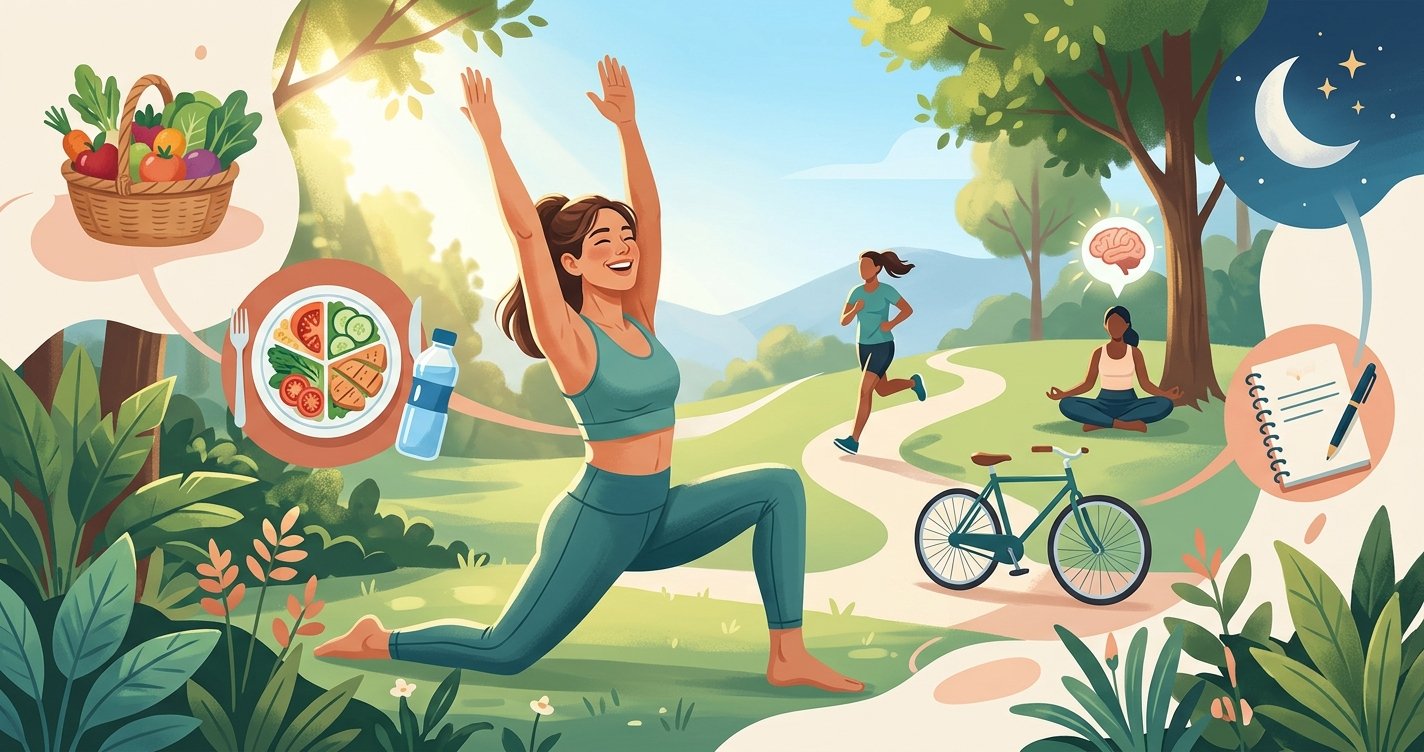
Have you ever felt caught in a never-ending cycle of dieting, restriction, and frustration, only to see the numbers on the scale yo-yo back up? You're not alone. In a world obsessed with quick fixes and drastic measures, it's easy to get lost in the noise and lose sight of what truly matters: sustainable, long-term health and genuine well-being. The truth is, effective fat loss isn't just about cutting calories; it's a symphony of interconnected factors, a holistic approach that nurtures your body and mind.
This guide will take you beyond the simplistic 'eat less, move more' mantra and introduce you to a comprehensive strategy for sustainable fat loss. We'll explore how nutrition, exercise, sleep, stress management, and even your mindset all play crucial roles in helping you achieve your body composition goals, not just for a few weeks, but for life. Get ready to ditch the deprivation and embrace a path to a healthier, happier you! this excellent wellness product
Understanding the Calorie Equation (But Not Obsessing Over It)
At its core, fat loss does boil down to creating a calorie deficit – consuming fewer calories than your body burns. This is a fundamental principle of thermodynamics. However, where many traditional diets go wrong is by solely focusing on this number, often leading to extreme restriction that is unsustainable and unhealthy. While the calorie deficit is the engine, the type of fuel you put in and how you use that energy profoundly impacts your body's response.
Think of it this way: 100 calories from a sugary soda are processed very differently by your body than 100 calories from a handful of almonds. The soda offers empty calories, a sugar spike, and minimal satiety, potentially leading to more cravings. The almonds provide fiber, healthy fats, and protein, promoting fullness and stable blood sugar. This highlights that food quality, not just quantity, is paramount. Furthermore, rapid, severe calorie restriction can trigger metabolic adaptation, where your body slows its metabolism to conserve energy, making further fat loss incredibly challenging. Our goal is a moderate, sustainable deficit that prioritizes nutrient density.
Fueling Your Body Right: Nutrition for Lasting Results
Nutrition is the cornerstone of sustainable fat loss. It's not about deprivation, but about nourishing your body with the right building blocks.
Protein Power: Satiety & Muscle Preservation
Protein is your best friend when it comes to fat loss. It's the most satiating macronutrient, meaning it keeps you feeling fuller for longer, reducing the likelihood of overeating. Moreover, a higher protein intake helps preserve lean muscle mass during a calorie deficit, which is crucial because muscle is metabolically active and burns more calories at rest than fat. Aim for lean sources like chicken, fish, eggs, Greek yogurt, lentils, and tofu.
Smart Carbs: Energy & Fiber
Carbohydrates provide your body with energy. The key is choosing complex carbohydrates over refined ones. Complex carbs (whole grains, fruits, vegetables, legumes) are rich in fiber, which aids digestion, stabilizes blood sugar, and contributes to satiety. They provide sustained energy without the sharp spikes and crashes associated with sugary, processed foods. Don't fear carbs; choose them wisely!
Healthy Fats: Hormones & Satiety
Dietary fat, despite its bad rap, is essential for hormone production, nutrient absorption, and long-term satiety. While fats are calorie-dense, incorporating healthy sources in moderation can prevent cravings and support overall health. Think avocados, nuts, seeds, olive oil, and fatty fish like salmon. They help you feel satisfied and keep your body functioning optimally.
The Importance of Micronutrients & Whole Foods
Beyond macronutrients, vitamins, minerals, and antioxidants (micronutrients) found in whole, unprocessed foods are vital. They support countless bodily functions, including metabolism. Prioritize a diverse range of fruits, vegetables, and whole grains to ensure you're getting all the necessary nutrients, not just empty calories.
Move Your Body, Mindfully: Exercise Beyond the Treadmill
Exercise is a powerful tool for fat loss, but it's not just about burning calories during your workout. It's about building a stronger, more efficient body.
Strength Training: The Metabolic Engine
If there's one type of exercise to prioritize for fat loss, it's strength training. Building muscle not only sculpts your physique but also increases your basal metabolic rate (BMR), meaning you burn more calories at rest. It also helps preserve muscle during a calorie deficit, ensuring that the weight you lose is primarily fat. Aim for 2-4 sessions per week, focusing on compound movements.
Cardio: Heart Health & Calorie Burn (But Don't Overdo It)
Cardiovascular exercise is excellent for heart health, improves endurance, and burns calories. However, excessive cardio without adequate strength training can sometimes lead to muscle loss and increased hunger. Incorporate a mix of steady-state cardio (like brisk walking or cycling) and perhaps some high-intensity interval training (HIIT) if appropriate for your fitness level, but balance it with strength work.
NEAT: The Unsung Hero of Daily Activity
NEAT stands for Non-Exercise Activity Thermogenesis. This refers to the calories you burn through everyday movements not related to structured exercise – walking, standing, fidgeting, taking the stairs, gardening, cleaning. NEAT can account for a significant portion of your daily energy expenditure and is often overlooked. Look for ways to increase your daily movement and stay active throughout the day.
The Hidden Pillars: Sleep, Stress, and Hormones
These often-neglected factors can make or break your fat loss journey. Ignoring them is like trying to drive a car with the handbrake on.
The Power of Quality Sleep: Leptin, Ghrelin, and Cortisol
Sleep deprivation wreaks havoc on your hormones. It increases ghrelin (the hunger hormone) and decreases leptin (the satiety hormone), leading to increased appetite and cravings, especially for high-calorie, sugary foods. Lack of sleep also elevates cortisol levels. Aim for 7-9 hours of quality sleep per night to keep your hormones balanced and your cravings in check.
Taming Stress: Its Impact on Fat Storage
Chronic stress also leads to elevated cortisol. While cortisol is essential in small bursts, prolonged high levels can promote fat storage, particularly around the abdominal area. It can also increase emotional eating and disrupt sleep. Finding effective stress management techniques – whether it's meditation, yoga, spending time in nature, or hobbies – is crucial for both mental well-being and fat loss.
Hormonal Harmony
Beyond leptin, ghrelin, and cortisol, a myriad of other hormones (like insulin, thyroid hormones, and sex hormones) influence metabolism and fat storage. A holistic approach that includes nutrient-dense food, regular exercise, adequate sleep, and stress reduction naturally supports hormonal balance, creating a more favorable environment for fat loss.
Cultivating a Fat Loss Mindset: Patience, Persistence, and Self-Compassion
Perhaps the most overlooked aspect of sustainable fat loss is your mindset. It’s not just about what you do, but how you think and feel about the process.
Ditching Perfectionism for Progress
The journey to sustainable fat loss is rarely linear. There will be good days and challenging days. Striving for perfection often leads to burnout and giving up after a small slip-up. Instead, focus on consistency and progress, not perfection. Embrace the 80/20 rule: aim for healthy habits 80% of the time, allowing for flexibility and enjoyment the other 20%.
Building Sustainable Habits
Instead of drastic overhauls, focus on creating small, repeatable habits that you can maintain long-term. Want to eat more vegetables? Start by adding one extra serving to dinner. Want to move more? Begin with a 15-minute walk daily. These small wins build momentum and confidence, leading to lasting change.
The Role of Self-Compassion and Patience
Be kind to yourself. Fat loss is a journey, not a race. There will be plateaus, setbacks, and moments of frustration. Treat yourself with the same compassion and understanding you would offer a friend. Celebrate non-scale victories – improved energy, better sleep, stronger lifts, clothes fitting better. Patience is key; sustainable results take time to build and time to maintain.
Conclusion: Your Journey to Lasting Health Begins Now
Sustainable fat loss isn't about rigid diets or punishing workouts; it's about embracing a holistic lifestyle that nourishes your body, calms your mind, and invigorates your spirit. By focusing on nutrient-dense foods, consistent and enjoyable movement, prioritizing sleep, managing stress, and cultivating a positive mindset, you're not just losing weight – you're building a foundation for lasting health and well-being.
Remember, this is your unique journey. Listen to your body, be patient with yourself, and celebrate every step of progress. Ditch the quick fixes and embrace the powerful, sustainable changes that will transform not just your body, but your entire life. You have the power to create a healthier, happier you – starting today!