Are you tired of chasing quick-fix diets that promise instant results but leave you feeling deprived and frustrated? We get it. The world of fat loss can be overwhelming, filled with conflicting advice and unsustainable strategies. But what if we told you that the secret to lasting fat loss isn't about extreme restriction, but rather about empowering your body from within? It's about harnessing the incredible power of your metabolism, and the best part? You can do it with delicious, everyday foods!
In this guide, we're going to dive deep into the fascinating world of metabolic-boosting foods. We’ll explore how certain nutrients can turn your body into a more efficient fat-burning machine, not through magic, but through solid, evidence-based science. Get ready to discover how to eat smarter, feel fuller, and achieve sustainable fat loss, all while enjoying your meals. Let’s transform your relationship with food and your body, together! this excellent wellness product
Understanding Your Metabolism: More Than Just Calories In, Calories Out
Before we jump into specific foods, let's demystify your metabolism. Often, we hear it simplified as a mere calorie counter, but it's far more intricate and dynamic. Your metabolism is the complex set of chemical processes that convert the food you eat into energy. This energy powers everything from breathing and thinking to exercising and repairing cells.
Key components of your metabolism include:
- Basal Metabolic Rate (BMR): The calories your body burns at rest to maintain basic functions.
- Non-Exercise Activity Thermogenesis (NEAT): Calories burned through daily activities that aren't formal exercise (e.g., walking, fidgeting).
- Exercise Activity Thermogenesis (EAT): Calories burned during structured physical activity.
- Thermic Effect of Food (TEF): The energy your body uses to digest, absorb, and process the nutrients from your food. This is where metabolic-boosting foods truly shine!
While BMR and activity levels play significant roles, the Thermic Effect of Food (TEF) is a powerful, often underestimated factor you can directly influence with your dietary choices. Different macronutrients (protein, carbs, fats) require varying amounts of energy to process. By strategically choosing foods with a higher TEF, you're essentially burning more calories just by eating them!
The Power Players: Top Metabolic-Boosting Foods for Fat Loss
Ready to stock your kitchen with ingredients that work for you, not against you? Here are the nutritional champions that can help stoke your metabolic fire and support sustainable fat loss.
Protein: The Undisputed King of TEF
If there's one nutrient you should prioritize for fat loss, it's protein. Research consistently shows that protein has the highest TEF, meaning your body expends more energy digesting it compared to fats or carbohydrates. But its benefits don't stop there!
- High Satiety: Protein keeps you feeling fuller for longer, reducing overall calorie intake and curbing cravings.
- Muscle Preservation: When you're in a calorie deficit, protein helps protect your precious muscle mass, which is crucial because muscle tissue burns more calories at rest than fat tissue.
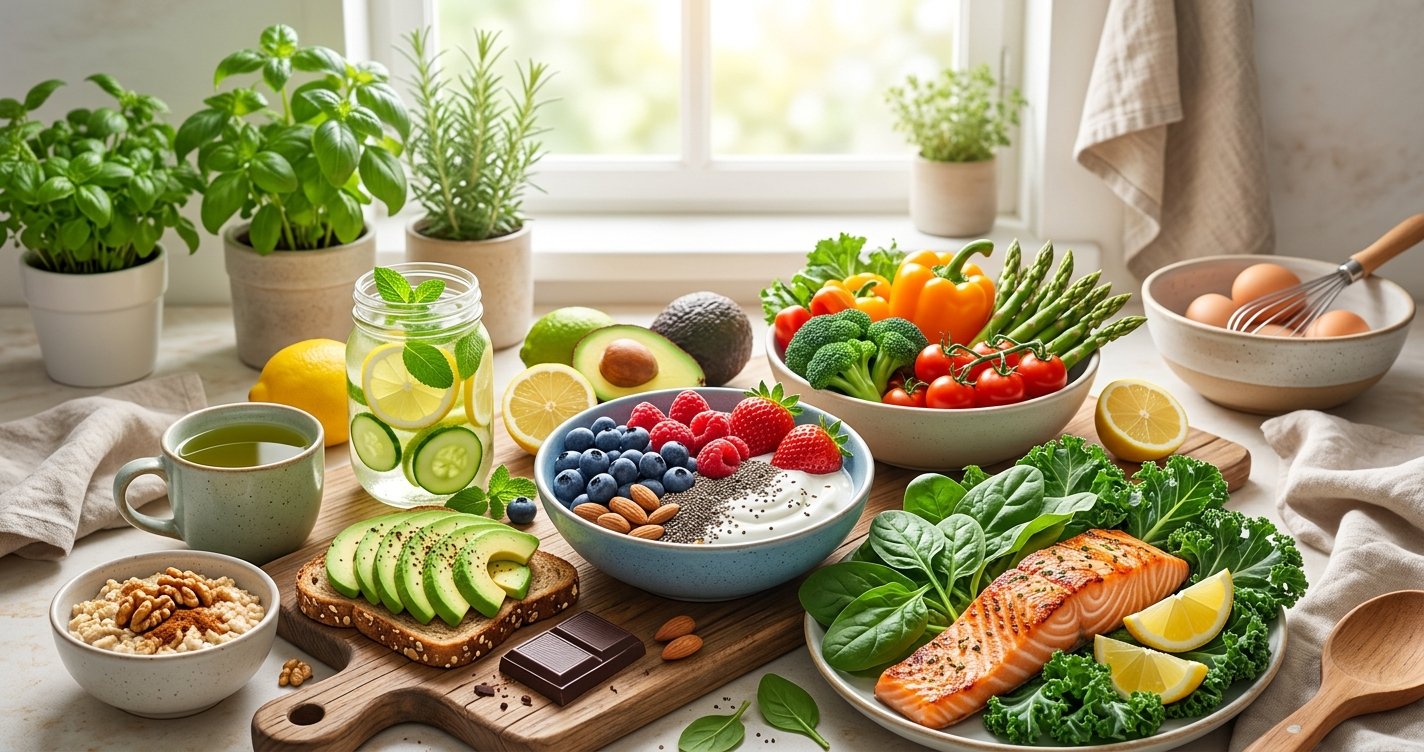
Examples to savor: Lean meats (chicken breast, turkey, lean beef), fish (salmon, cod, tuna), eggs, Greek yogurt, cottage cheese, legumes (lentils, beans), tofu, tempeh, and protein powder.
Fiber-Rich Foods: Your Digestive Powerhouses
Fiber, often overlooked, is a superstar for fat loss. While it doesn't have as high a TEF as protein, it works its magic in other powerful ways.
- Enhanced Satiety: Fiber adds bulk to your meals, making you feel full and satisfied without adding many calories.
- Blood Sugar Control: Soluble fiber slows down the absorption of sugar, preventing spikes and crashes that can lead to increased hunger and fat storage.
- Gut Health: A healthy gut microbiome is increasingly linked to metabolic health and weight management. Fiber feeds beneficial gut bacteria!
Examples to enjoy: Whole grains (oats, quinoa, brown rice), fruits (berries, apples, pears), vegetables (broccoli, spinach, Brussels sprouts), beans, lentils, and nuts and seeds.
Healthy Fats: Don't Fear the Fat!
It might seem counterintuitive to include fats for fat loss, but healthy fats are absolutely essential for metabolic health. They don't have a high TEF, but they play critical roles:
- Satiety: Fats are incredibly satiating, helping to keep hunger at bay and preventing overeating.
- Hormone Production: Healthy fats are crucial for the production of hormones that regulate metabolism and appetite.
- Nutrient Absorption: They help your body absorb fat-soluble vitamins (A, D, E, K).
Examples to include in moderation: Avocados, nuts (almonds, walnuts), seeds (chia, flax, pumpkin), olive oil, and fatty fish like salmon.
Spices, Peppers, and Teas: The Little Boosters
While not a primary driver, certain natural ingredients can provide a subtle, yet beneficial, metabolic nudge.
- Chili Peppers (Capsaicin): The compound that gives chili peppers their heat, capsaicin, has been shown to slightly increase thermogenesis and fat oxidation, and can also help reduce appetite.
- Green Tea (EGCG): Green tea contains catechins, particularly EGCG, which may modestly increase metabolic rate and fat burning, especially when combined with caffeine.
- Coffee (Caffeine): Caffeine is a well-known stimulant that can temporarily boost metabolism and enhance fat oxidation.
- Ginger & Cinnamon: While more research is needed, some studies suggest these spices may have minor thermogenic effects and help with blood sugar regulation.
How to use them: Add a pinch of cayenne to your eggs, enjoy a daily cup of green tea, or start your morning with a black coffee (skip the sugary additions!).
Crafting Your Metabolism-Friendly Plate: Practical Tips
Knowing which foods are beneficial is one thing; putting it into practice is another. Here’s how to build meals that support your metabolic health:
- Prioritize Protein at Every Meal: Aim for a palm-sized portion of lean protein with breakfast, lunch, and dinner. This ensures you're maximizing TEF and satiety throughout the day.
- Fill Half Your Plate with Veggies: Non-starchy vegetables are packed with fiber, vitamins, and minerals, yet are low in calories. They add volume and nutrients without excess energy.
- Choose Whole Carbs Over Refined: Opt for complex carbohydrates like oats, quinoa, and sweet potatoes over white bread, pastries, and sugary cereals. The fiber in whole carbs contributes to satiety and better blood sugar control.
- Don't Forget Healthy Fats: Incorporate a thumb-sized portion of healthy fats into your meals for satiety and essential nutrients. Think a quarter of an avocado, a sprinkle of seeds, or a drizzle of olive oil.
- Stay Hydrated: Water is crucial for all metabolic processes. Sometimes, thirst is mistaken for hunger, so sip water throughout the day.
- Eat Mindfully: Pay attention to your body's hunger and fullness cues. Eating slowly allows your body to register satiety, preventing overeating.
Beyond the Plate: A Holistic Approach to Sustainable Fat Loss
While food is a powerful tool, it’s just one piece of the fat loss puzzle. For truly sustainable results, consider these lifestyle factors:
- Strength Training: Building muscle is one of the best ways to boost your resting metabolism. The more muscle you have, the more calories you burn, even at rest. Aim for 2-3 sessions per week.
- Adequate Sleep: Lack of sleep can disrupt hunger hormones (ghrelin and leptin), leading to increased cravings and reduced willpower. Aim for 7-9 hours per night.
- Stress Management: Chronic stress elevates cortisol levels, which can promote fat storage, particularly around the midsection. Incorporate stress-reducing activities like meditation, yoga, or spending time in nature.
- Consistency, Not Perfection: Sustainable fat loss is a marathon, not a sprint. Focus on making consistent, healthy choices most of the time, and don't let occasional slips derail your progress.
Your Journey Starts Now: Embrace the Power of Food
Embarking on a fat loss journey doesn't have to mean deprivation or complicated diets. By understanding and embracing the power of metabolic-boosting foods, you're equipping yourself with a sustainable, enjoyable, and incredibly effective strategy. You're not just losing weight; you're nourishing your body, optimizing your health, and building a stronger, more vibrant you.
Start small. Choose one new metabolic-boosting food to incorporate this week, or focus on adding more protein to each meal. With each conscious choice, you're investing in your long-term health and well-being. You have the power to ignite your metabolism and achieve the lasting results you deserve. Let's do this!