Unlock Your Fat Loss Potential: A Beginner's Friendly Guide to Intermittent Fasting
Are you feeling stuck in your fat loss journey? Have you tried countless diets only to find them unsustainable and frustrating? It's a common story, and you're definitely not alone. But what if there was a simpler, more flexible approach that could help you tap into your body's natural fat-burning abilities? Enter intermittent fasting (IF) – a powerful tool that's gaining popularity not just for its effectiveness in fat loss, but also for its potential health benefits.
This isn't another restrictive diet; it's an eating pattern that cycles between periods of eating and voluntary fasting. And before you panic about going hungry, know that it's much more manageable than it sounds, especially for beginners. In this comprehensive guide, we'll demystify intermittent fasting for fat loss, explore the science behind it, and provide you with a friendly, evidence-based roadmap to get started and achieve sustainable results. this excellent wellness product
What Exactly is Intermittent Fasting (IF)?
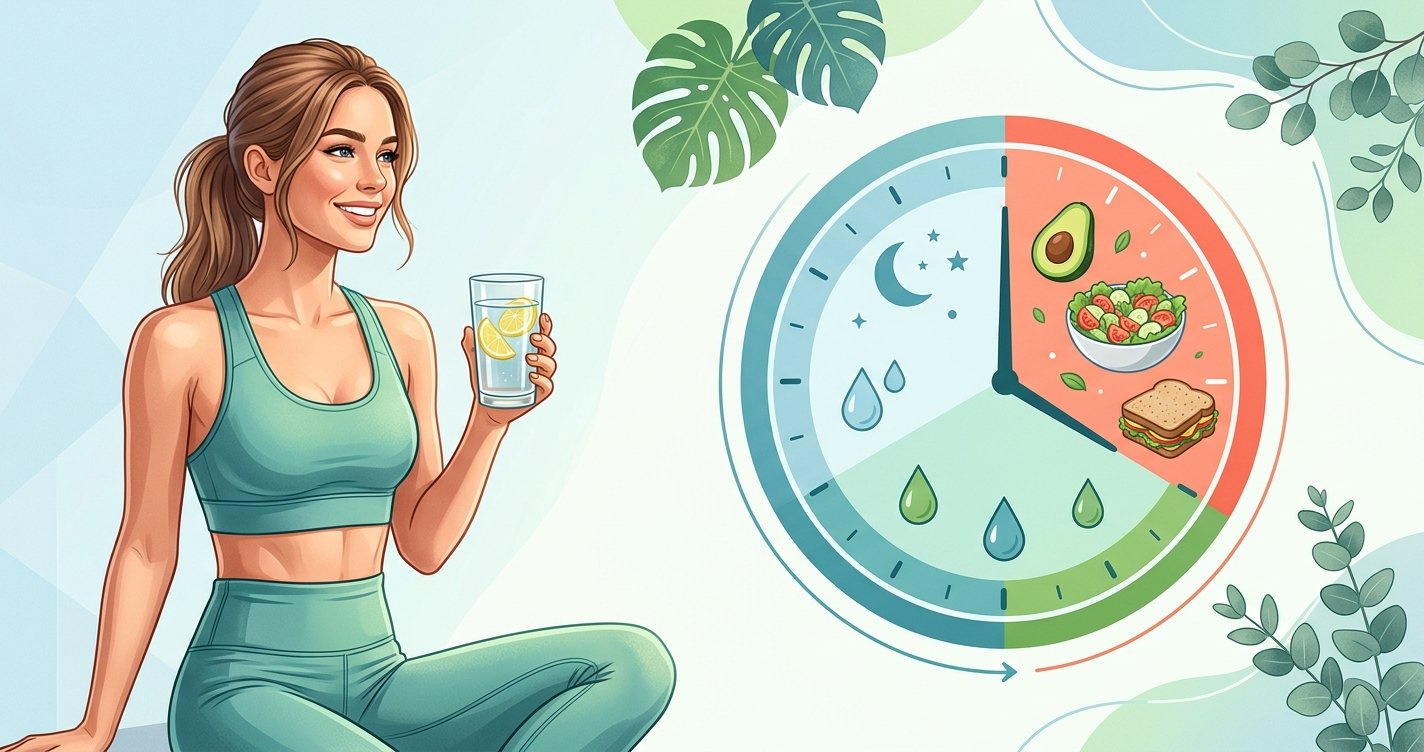
Forget everything you think you know about traditional dieting. Intermittent fasting isn't about what you eat (though healthy choices are always encouraged!), but rather when you eat. It's a structured approach to meal timing that involves voluntarily abstaining from food for specific periods. During the fasting window, you consume no calories, though water, black coffee, and plain tea are typically allowed. During the eating window, you consume your meals as usual.
The beauty of IF lies in its flexibility and simplicity. There are various methods, but they all share the core principle of creating a consistent cycle between eating and fasting, allowing your body to switch from burning sugar for fuel to burning stored fat.
The Science Behind Intermittent Fasting and Fat Loss
So, how does simply changing your eating schedule lead to fat loss? It's not magic; it's biology! When you fast, several crucial things happen in your body that directly impact fat metabolism:
-
Insulin Sensitivity Improvement: Your Fat Storage Hormone
Every time you eat, your body releases insulin, a hormone that helps shuttle glucose (sugar) from your bloodstream into your cells for energy. High, constant insulin levels signal your body to store fat. During a fasting period, insulin levels drop significantly. This low insulin state tells your body, "Hey, we're not getting new fuel, let's tap into our stored energy reserves!" – which means burning fat.
-
Human Growth Hormone (HGH) Boost: The Fat-Burning & Muscle-Sparing Hormone
Fasting can dramatically increase the production of Human Growth Hormone (HGH). HGH is vital for muscle repair, growth, and overall body composition. Crucially, higher HGH levels during fasting help preserve muscle mass while promoting fat burning. This is excellent news for anyone worried about losing muscle while losing weight.
-
Noradrenaline (Norepinephrine) Increase: Your Metabolism's Little Helper
Your body increases the release of the hormone noradrenaline, which signals fat cells to release fatty acids into your bloodstream, making them available for burning. This essentially primes your body to use fat as its primary fuel source.
-
Natural Calorie Deficit: The Fundamental Rule of Fat Loss
While IF isn't strictly about calorie restriction, by shortening your eating window, many people naturally consume fewer calories overall without consciously counting them. This natural reduction in caloric intake, combined with the metabolic shifts mentioned above, creates the perfect environment for fat loss.
Popular Intermittent Fasting Methods for Beginners
Ready to try it? Here are the most beginner-friendly IF methods:
-
The 16/8 Method (Leangains Protocol)
This is by far the most popular and easiest method to start with. It involves fasting for 16 hours and having an 8-hour eating window. For example, if you finish dinner at 7 PM, you wouldn't eat again until 11 AM the next day. This often means simply skipping breakfast. It's easily adaptable to most lifestyles.
-
The 12/12 Method (Gentle Start)
If 16 hours sounds intimidating, start even gentler. The 12/12 method involves a 12-hour fast and a 12-hour eating window. For instance, if you finish dinner at 7 PM, you can eat again at 7 AM. This method is often a natural pattern for many people and can be a great stepping stone to longer fasts.
Getting Started with Intermittent Fasting: Your Step-by-Step Guide
Starting IF doesn't have to be daunting. Here's a friendly guide to ease you in:
-
Choose Your Method: Start with the 12/12 or 16/8 method. Pick an eating window that comfortably fits your daily schedule. Consistency is more important than perfection.
-
Hydrate, Hydrate, Hydrate: During your fasting window, drink plenty of water. Black coffee and plain tea are also allowed and can help curb hunger. Staying hydrated is crucial for comfort and overall health.
-
Prioritize Nutrient-Dense Foods: When it's time to eat, focus on whole, unprocessed foods. Lean proteins, healthy fats, fiber-rich vegetables, and complex carbohydrates will keep you feeling full and nourished. Remember, IF isn't a license to binge on junk food during your eating window!
-
Listen to Your Body: The first few days might feel a little different as your body adapts. Mild hunger pangs are normal, but severe dizziness or extreme weakness are signals to re-evaluate. You can always adjust your fasting window or eating times.
-
Be Patient and Consistent: Sustainable fat loss takes time. Don't expect overnight miracles. Stick with your chosen method for a few weeks to allow your body to adjust and to see results.
What to Eat (and Avoid) During Your Eating Window
While IF focuses on when you eat, the quality of your food during your eating window significantly impacts your results. To maximize fat loss and overall health, aim for:
- Lean Proteins: Chicken, turkey, fish, eggs, tofu, legumes. These are crucial for satiety and muscle maintenance.
- Healthy Fats: Avocados, nuts, seeds, olive oil. They provide energy and help absorb fat-soluble vitamins.
- Fiber-Rich Vegetables: Broccoli, spinach, kale, bell peppers. Packed with nutrients and help you feel full.
- Complex Carbohydrates: Oats, quinoa, brown rice, sweet potatoes. Provide sustained energy without spiking blood sugar.
Try to limit or avoid: Sugary drinks, highly processed snacks, excessive refined carbohydrates, and unhealthy trans fats. These foods can undermine your efforts by causing blood sugar spikes and crashes, making fasting harder.
Addressing Common Concerns & Busting Myths
It's natural to have questions. Let's tackle a few common ones:
-
"Will I lose muscle mass?"
This is a big concern, but studies suggest that IF, especially when combined with adequate protein intake and resistance training, is very effective at preserving muscle mass during fat loss, often even better than traditional calorie restriction.
-
"Will my metabolism slow down?"
Quite the opposite! Short-term fasting has been shown to temporarily boost metabolism by increasing noradrenaline. While very long-term, extreme fasting can slow metabolism, typical IF patterns like 16/8 do not.
-
"Is it safe for everyone?"
While generally safe for most healthy adults, IF is NOT recommended for everyone. Pregnant or breastfeeding women, individuals with a history of eating disorders, those on certain medications (especially for diabetes), or people with underlying health conditions should consult their doctor before trying IF.
Tips for Sustainable Success on Your IF Journey
To make intermittent fasting a sustainable part of your lifestyle and ensure lasting fat loss:
- Be Flexible: Life happens! If you have a social event, adjust your eating window for that day. Don't let one deviation derail your progress.
- Combine with Strength Training: Lifting weights is fantastic for preserving muscle mass and boosting metabolism, complementing IF perfectly.
- Prioritize Sleep: Quality sleep is crucial for hormone regulation, hunger control, and overall well-being. Aim for 7-9 hours per night.
- Manage Stress: Chronic stress can elevate cortisol, a hormone that promotes fat storage. Incorporate stress-reducing activities like meditation, yoga, or spending time in nature.
Your Path to Sustainable Fat Loss Starts Now!
Intermittent fasting isn't a magic bullet, but it's a powerful, evidence-based strategy that can simplify your fat loss journey, improve your metabolic health, and help you feel more in tune with your body. By understanding the science and adopting a beginner-friendly approach, you can unlock your body's natural ability to burn fat and build a healthier, more vibrant you.
Remember to start slow, listen to your body, and focus on nourishing yourself with whole foods during your eating window. You've got this! Why not pick a fasting method and try it for a week? Your body might just thank you for it.