Intermittent Fasting for Fat Loss: Your Friendly, Evidence-Based Guide to a Healthier You
Hey there, fellow health seeker! Are you looking for a sustainable, effective way to shed those stubborn pounds and feel great? You've probably heard the buzz about Intermittent Fasting (IF) – it’s a hot topic in the world of health and wellness, and for good reason! But with so much information out there, it can feel a bit overwhelming, right?
Well, consider this your friendly, evidence-based roadmap. We’re going to cut through the noise, explain exactly how IF can help with fat loss, explore popular methods, and equip you with practical tips to make it a successful part of your journey. No fads, no extreme diets – just a clear, encouraging guide to understanding and implementing Intermittent Fasting for a healthier, leaner you. this excellent wellness product
What Exactly *Is* Intermittent Fasting? It's Simpler Than You Think!
Let's clear something up right away: Intermittent Fasting isn't a diet in the traditional sense. It's not about what you eat, but when you eat. Think of it as an eating pattern that cycles between periods of eating and voluntary fasting. Instead of constantly grazing or eating three large meals a day, IF encourages your body to take breaks from digestion, allowing it to tap into its fat reserves.
The beauty of IF lies in its flexibility. There are several ways to practice it, and we’ll dive into the most popular ones shortly. The core idea is to extend the time your body spends in a 'fasted state,' which has some pretty powerful metabolic benefits, especially when it comes to fat burning.
The Science Behind IF and Fat Loss: How It Works Its Magic
This isn't just a trend; there's solid science explaining why Intermittent Fasting can be so effective for fat loss. When you eat, your body releases insulin to process glucose from your food. Insulin is a storage hormone, and while it's elevated, your body is less likely to burn stored fat.
Here’s the magic:
- Insulin Sensitivity: During fasting periods, your insulin levels drop significantly. This allows your body to become more sensitive to insulin, meaning it needs less insulin to do its job when you do eat. Lower, more stable insulin levels are key for fat burning.
- Metabolic Switch: After several hours of not eating, your body depletes its glycogen (stored sugar) reserves. Once these are low, your body switches its primary fuel source from glucose to stored fat. This is often called the 'metabolic switch,' and it's precisely what we want for fat loss!
- Human Growth Hormone (HGH): Studies show that fasting can significantly increase levels of Human Growth Hormone, a powerful hormone that helps preserve muscle mass and burn fat. More HGH means better body composition!
- Norepinephrine: Fasting can also increase levels of norepinephrine, a hormone that signals fat cells to release fatty acids, making them available for energy.
- Autophagy: While not directly about fat loss, autophagy is a cellular 'cleanup' process that gets supercharged during fasting. It removes damaged cells and recycles cellular components, contributing to overall health and potentially longevity, which supports a healthy metabolism long-term.
In essence, IF creates an environment where your body is primed to burn fat more efficiently, all while maintaining muscle mass – a win-win for sustainable fat loss!
Popular Intermittent Fasting Methods for Beginners: Find Your Fit
Ready to give it a try? Here are the most common and beginner-friendly IF methods:
1. The 16/8 Method (Time-Restricted Eating)
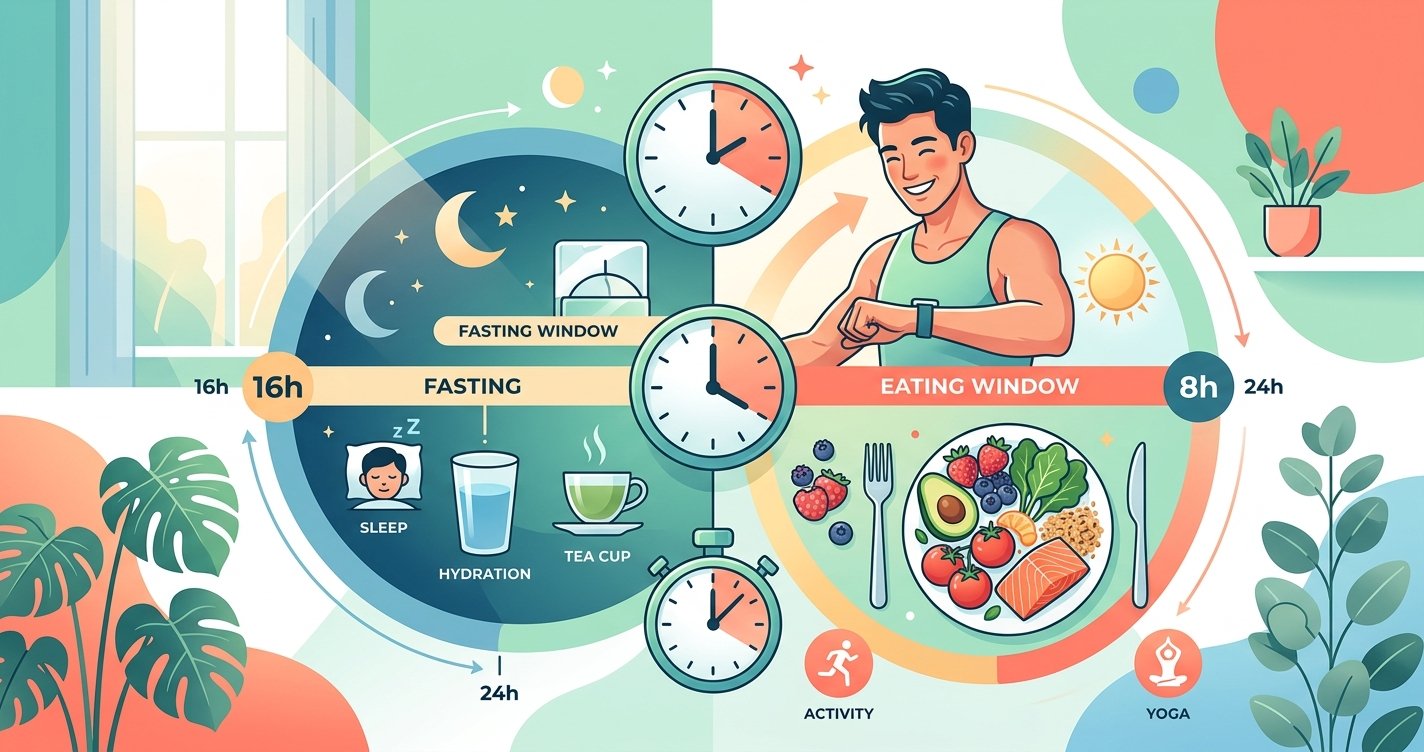
This is by far the most popular and easiest to start with. It involves fasting for 16 hours and limiting your eating window to 8 hours each day. For example, you might skip breakfast, eat your first meal at 12 PM, and finish your last meal by 8 PM. You can adjust the window to fit your schedule (e.g., 1 PM to 9 PM).
- Why it's great for beginners: It's simple to follow, often just means skipping one meal, and allows you to eat every day.
2. The 5:2 Method (The Fast Diet)
With this method, you eat normally for five days of the week and restrict your calorie intake to 500-600 calories on two non-consecutive days. For example, you might eat normally Monday, Tuesday, Thursday, Saturday, Sunday, and have your low-calorie days on Wednesday and Friday.
- Why it's great for some: Allows for more flexibility on 'normal' eating days, but the low-calorie days require more discipline.
3. Eat-Stop-Eat (24-Hour Fast)
This involves a full 24-hour fast once or twice a week. For example, you might finish dinner on Monday at 7 PM and not eat again until dinner on Tuesday at 7 PM. This is a bit more advanced and often recommended after you've tried the 16/8 method.
- Why it's effective: Can create a significant calorie deficit and enhance fat burning, but requires a stronger mental game.
Remember, there's no single 'best' method. The key is to find what fits your lifestyle and feels sustainable for you. Start slow, listen to your body, and don't be afraid to experiment!
Setting Yourself Up for Success: Practical Tips for Your IF Journey
Embarking on Intermittent Fasting can feel like a big step, but with a few smart strategies, you can make it a smooth and effective journey:
- Hydration is Your Best Friend: During your fasting window, drink plenty of water! Black coffee, unsweetened tea, and sparkling water are also great options. These can help curb hunger and keep you feeling refreshed.
- Prioritize Nutrient-Dense Meals: When you do eat, make those meals count! Focus on whole, unprocessed foods: lean proteins, healthy fats, fiber-rich vegetables, and complex carbohydrates. This ensures you get all the nutrients your body needs and helps you feel full and satisfied.
- Listen to Your Body: This is crucial. While some hunger is normal, extreme discomfort, dizziness, or weakness are signs to re-evaluate. IF should feel empowering, not punishing. Adjust your windows or methods if needed.
- Get Enough Sleep: Quality sleep is vital for hormone regulation, including those that impact hunger and satiety. Aim for 7-9 hours of sleep per night to support your IF efforts.
- Incorporate Moderate Exercise: Regular physical activity complements IF beautifully. While intense exercise during a fasted state might not be for everyone, a brisk walk, yoga, or strength training can enhance fat loss and overall well-being.
- Be Patient and Consistent: Fat loss is a journey, not a sprint. You might not see drastic changes overnight, but consistency over time yields incredible results. Trust the process!
Beyond the Scale: Other Potential Benefits of Intermittent Fasting
While fat loss is a fantastic outcome, IF offers a whole host of other potential health benefits that make it even more compelling:
- Improved Metabolic Health: Beyond insulin sensitivity, IF can help lower blood sugar levels, reduce inflammation, and improve cholesterol profiles, all contributing to a healthier metabolism.
- Brain Health: Some research suggests that fasting can support brain health by promoting the growth of new nerve cells, improving cognitive function, and potentially protecting against neurodegenerative diseases.
- Longevity: The cellular repair processes like autophagy, enhanced by fasting, are linked to anti-aging benefits and increased lifespan in animal studies. While human research is ongoing, the implications are exciting!
- Simplicity and Convenience: For many, IF simplifies meal planning and reduces time spent on cooking and eating, freeing up mental and physical energy for other aspects of life.
These benefits highlight that IF is more than just a weight-loss tool; it's a holistic approach to improving your overall health and vitality.
Common Mistakes to Avoid on Your IF Journey
Even with the best intentions, it's easy to stumble. Here are a few common pitfalls to watch out for:
- Overeating During Your Eating Window: This is probably the biggest mistake. IF isn't a license to binge! You still need to be mindful of your calorie intake and focus on nutritious foods. If you consume more calories than your body needs, you won't lose fat, regardless of your fasting schedule.
- Making Poor Food Choices: Filling your eating window with processed foods, sugary drinks, and unhealthy snacks defeats the purpose. Prioritize whole, unprocessed foods to fuel your body properly.
- Ignoring Your Body's Signals: While some hunger is normal, don't push yourself to the point of extreme discomfort or illness. If you feel unwell, break your fast.
- Not Staying Hydrated: Dehydration can mimic hunger and lead to headaches or fatigue. Drink water consistently throughout your fast.
- Expecting Instant Results: Be patient! Sustainable fat loss takes time. Focus on consistency and celebrate small victories.
- Neglecting Sleep and Stress Management: These foundational health pillars are critical. Poor sleep and high stress can sabotage your hormone balance and make fat loss much harder, even with IF.
By being aware of these potential traps, you can navigate your IF journey more smoothly and effectively.
Is Intermittent Fasting Right for *You*? A Gentle Reminder
Intermittent Fasting can be a powerful tool for fat loss and overall health, but it's not a one-size-fits-all solution. Before making any significant dietary changes, especially if you have underlying health conditions, are pregnant or breastfeeding, or are taking medications, it's always best to consult with your doctor or a registered dietitian.
IF is generally not recommended for:
- Pregnant or breastfeeding women
- Individuals with a history of eating disorders
- People with certain medical conditions like type 1 diabetes, or those on medications that require food intake (e.g., for blood sugar regulation)
- Children and adolescents
For most healthy adults, however, it can be a flexible and highly effective strategy. The goal is always to find a sustainable approach that makes you feel good and supports your long-term health goals.
Ready to Unlock Your Fat Loss Potential?
Intermittent Fasting isn't a magic bullet, but it's a powerful, evidence-based strategy that, when combined with smart food choices and a healthy lifestyle, can significantly accelerate your fat loss journey and boost your overall well-being. By understanding the science, choosing a method that suits you, and following practical tips, you can harness the benefits of IF to become a healthier, leaner, and more energized version of yourself.
So, are you ready to give it a try? Start slowly, listen to your body, and enjoy the journey to a healthier you!