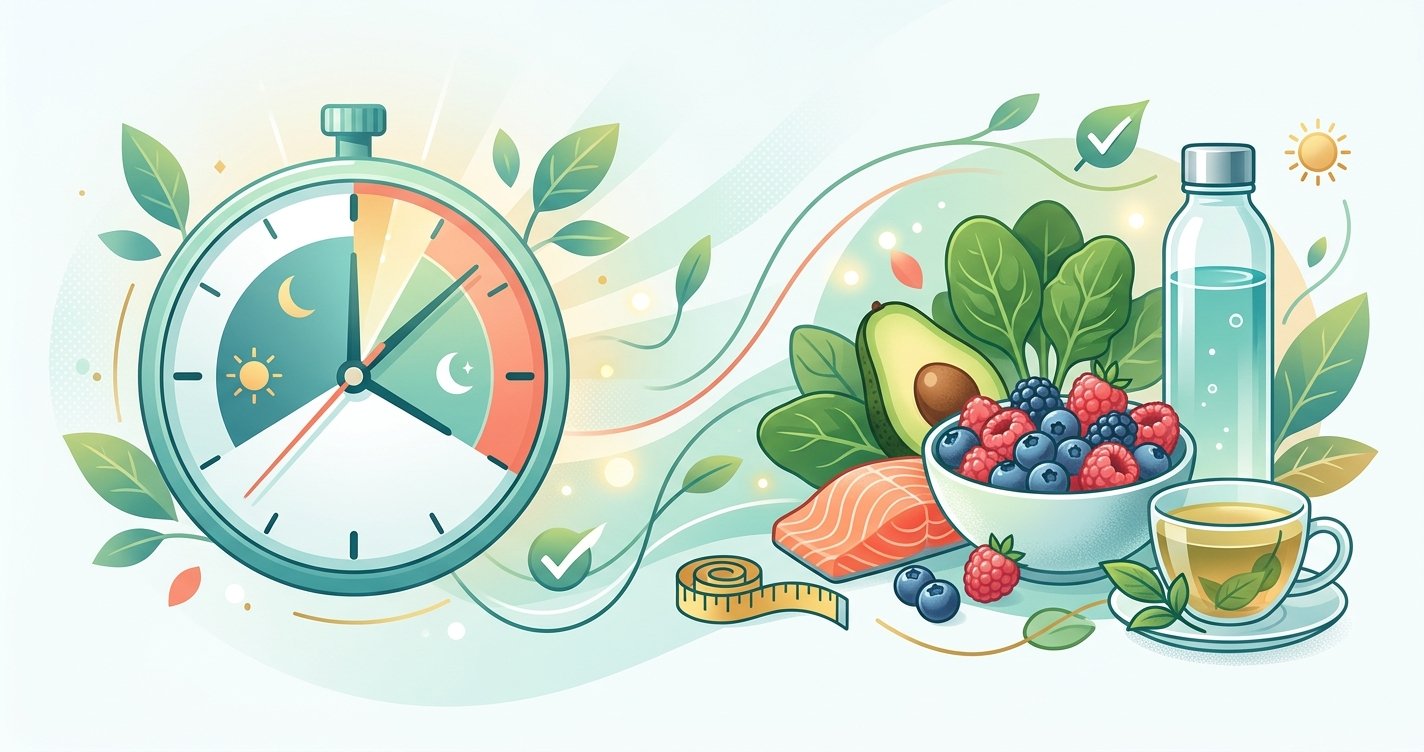
Are you feeling stuck in your fat loss journey? Do traditional diets leave you feeling deprived and demotivated? If you're looking for a sustainable, science-backed approach to help you shed those stubborn pounds and improve your metabolic health, then Intermittent Fasting (IF) might just be the game-changer you've been searching for. It's not a diet in the conventional sense, but rather an eating pattern that focuses on *when* you eat, rather than just *what* you eat.
In this friendly, evidence-based guide, we'll dive deep into the world of Intermittent Fasting, exploring how it works, its incredible benefits for fat loss, and how you can safely and effectively incorporate it into your lifestyle. Get ready to unlock your body's natural fat-burning potential! this excellent wellness product
What Exactly is Intermittent Fasting?
At its core, Intermittent Fasting involves cycling between periods of eating and voluntary fasting. It's less about calorie restriction (though that often happens naturally) and more about giving your body a break from constant digestion. This break allows your body to switch its primary fuel source and tap into stored energy – hello, body fat!
Common Intermittent Fasting Methods:
- 16/8 Method (Leangains Protocol): This is arguably the most popular and beginner-friendly method. You fast for 16 hours and eat all your meals within an 8-hour window. For example, you might skip breakfast, eat your first meal at 1 PM, and finish your last meal by 9 PM.
- 5:2 Method: With this approach, you eat normally for five days of the week and restrict your calorie intake to 500-600 calories on two non-consecutive days.
- Eat-Stop-Eat: This involves one or two 24-hour fasts per week. For instance, you might finish dinner on Monday at 7 PM and not eat again until dinner on Tuesday at 7 PM.
- The Warrior Diet (20/4): This more advanced method involves fasting for 20 hours and consuming one large meal within a 4-hour eating window, typically in the evening.
While various methods exist, the 16/8 method is often recommended for those new to IF due to its flexibility and ease of integration into daily life.
The Science Behind IF and Fat Loss
So, how does simply changing your eating schedule lead to effective fat loss? It all comes down to a few key physiological changes that occur during your fasted state:
1. The Metabolic Switch:
When you eat, your body primarily uses glucose (sugar) from carbohydrates for energy. After several hours without food, your glucose stores deplete, and your body undergoes a 'metabolic switch.' It then starts burning stored fat for fuel, a process known as ketosis. This is the holy grail for fat loss!
2. Improved Insulin Sensitivity:
Insulin is a hormone that helps your cells absorb glucose from your bloodstream. Frequent eating, especially of refined carbohydrates, keeps insulin levels consistently high. High insulin levels can hinder fat burning and promote fat storage. Intermittent Fasting gives your body a break from constant insulin spikes, leading to improved insulin sensitivity. When your cells are more sensitive to insulin, they work more efficiently, which is fantastic for both fat loss and overall metabolic health.
3. Boost in Human Growth Hormone (HGH):
During fasting periods, your body naturally increases the production of Human Growth Hormone (HGH). HGH plays a crucial role in metabolism, fat burning, and muscle preservation. Higher HGH levels can help you lose fat while maintaining valuable muscle mass, which is key for a healthy metabolism.
4. Autophagy:
While not directly a fat loss mechanism, autophagy is a powerful cellular repair process stimulated by fasting. It's like your body's internal clean-up crew, removing damaged cells and regenerating new, healthier ones. This contributes to overall health, longevity, and metabolic efficiency, indirectly supporting a healthier weight.
5. Natural Calorie Reduction:
Even without consciously counting calories, most people naturally consume fewer calories when their eating window is restricted. Simply having less time to eat often means you'll eat less overall, creating the calorie deficit necessary for fat loss.
Getting Started with Intermittent Fasting: A Beginner's Guide
Ready to give it a try? Here's how to ease into Intermittent Fasting effectively and safely:
1. Choose Your Method:
Start with the 16/8 method. It's the most flexible and easiest to adapt to. You can adjust your 8-hour eating window to fit your lifestyle (e.g., 10 AM to 6 PM, 12 PM to 8 PM, or 1 PM to 9 PM).
2. Ease In Gradually:
Don't jump straight to 16 hours if it feels daunting. Start by extending your overnight fast by just an hour or two. Maybe aim for 12 hours first, then 14, and gradually work your way up to 16 hours as your body adapts.
3. Hydration is Key:
During your fasting window, you can (and should!) consume non-caloric beverages. Water, black coffee, and plain green tea are your best friends. These can help curb hunger, keep you hydrated, and even provide a gentle energy boost.
4. What to Eat During Your Eating Window:
Remember, IF isn't a license to eat anything and everything. To maximize fat loss and health benefits, focus on nutrient-dense, whole foods during your eating window:
- Lean Proteins: Chicken, fish, eggs, tofu, legumes.
- Healthy Fats: Avocados, nuts, seeds, olive oil.
- Complex Carbohydrates: Whole grains, sweet potatoes, quinoa.
- Plenty of Fiber: Fruits and vegetables.
Think balanced, wholesome meals that nourish your body and keep you feeling full and satisfied.
5. Break Your Fast Gently:
When it's time to break your fast, avoid overeating or reaching for highly processed foods. Start with a meal that includes protein, healthy fats, and some fiber to gently reintroduce food to your system.
Common Myths and Misconceptions About IF
There's a lot of chatter about IF, and not all of it is accurate. Let's debunk some common myths:
Myth #1: “Intermittent Fasting will slow down your metabolism.”
Fact: Research actually suggests that short-term fasting (up to 72 hours) can boost metabolism by increasing levels of norepinephrine, a hormone that signals your body to burn more fat. It's prolonged, chronic calorie restriction that can slow metabolism, not the cyclical nature of IF.
Myth #2: “You'll lose muscle mass while fasting.”
Fact: While severe, prolonged fasting *can* lead to muscle loss, intermittent fasting, especially when combined with adequate protein intake during your eating window and resistance training, is effective at preserving muscle mass while promoting fat loss. The increased HGH levels during fasting also help protect muscle.
Myth #3: “You'll be starving all the time.”
Fact: Initial hunger pangs are common as your body adjusts, but these typically subside within a week or two. Many people report feeling more energetic and experiencing less hunger once they're adapted to IF, thanks to stable blood sugar levels.
Myth #4: “Intermittent Fasting is unhealthy.”
Fact: When done correctly and with appropriate consideration for individual health, IF has been shown to offer numerous health benefits beyond fat loss, including improved blood sugar control, reduced inflammation, and better brain health. However, it's not for everyone, as we'll discuss shortly.
Maximizing Your Intermittent Fasting Results
To truly supercharge your fat loss journey with IF, consider these complementary strategies:
- Prioritize Whole, Unprocessed Foods: We can't stress this enough. IF is a powerful tool, but it's not magic. What you eat during your eating window is just as important as when you eat it. Focus on nutrient-dense foods to fuel your body and support your goals.
- Stay Hydrated: Drinking plenty of water is crucial for overall health, managing hunger, and supporting metabolic functions.
- Incorporate Strength Training: Building muscle helps boost your metabolism, even at rest. Combine IF with a consistent strength training routine to sculpt your body and enhance fat loss.
- Get Enough Sleep: Quality sleep is vital for hormone regulation, including those that control hunger and satiety (ghrelin and leptin). Aim for 7-9 hours of restful sleep per night.
- Manage Stress: Chronic stress can elevate cortisol levels, which can hinder fat loss and even promote belly fat storage. Find healthy ways to manage stress, such as meditation, yoga, or spending time in nature.
Is Intermittent Fasting Right for You? (Important Considerations)
While Intermittent Fasting offers incredible benefits, it's not suitable for everyone. It's always a good idea to consult with your doctor or a healthcare professional before starting any new eating pattern, especially if you have underlying health conditions.
Who should generally avoid IF (or proceed with extreme caution and medical supervision):
- Pregnant or breastfeeding women.
- Individuals with a history of eating disorders or disordered eating patterns.
- Those with Type 1 diabetes or individuals on medications that affect blood sugar levels.
- Children and adolescents.
- Individuals who are underweight or have nutritional deficiencies.
Listen to your body. If you experience persistent dizziness, extreme fatigue, or any other concerning symptoms, it's important to stop and seek medical advice.
Your Journey to Sustainable Fat Loss Starts Here
Intermittent Fasting can be a powerful, sustainable, and surprisingly flexible tool to help you achieve your fat loss goals and improve your overall health. By understanding how it works and implementing it thoughtfully, you can tap into your body's natural ability to burn fat and feel more energetic and in control.
Remember, it's a journey, not a race. Start small, be patient with yourself, and focus on consistency. Combine IF with a balanced diet, regular physical activity, and good lifestyle habits, and you'll be well on your way to a healthier, happier you. You've got this!