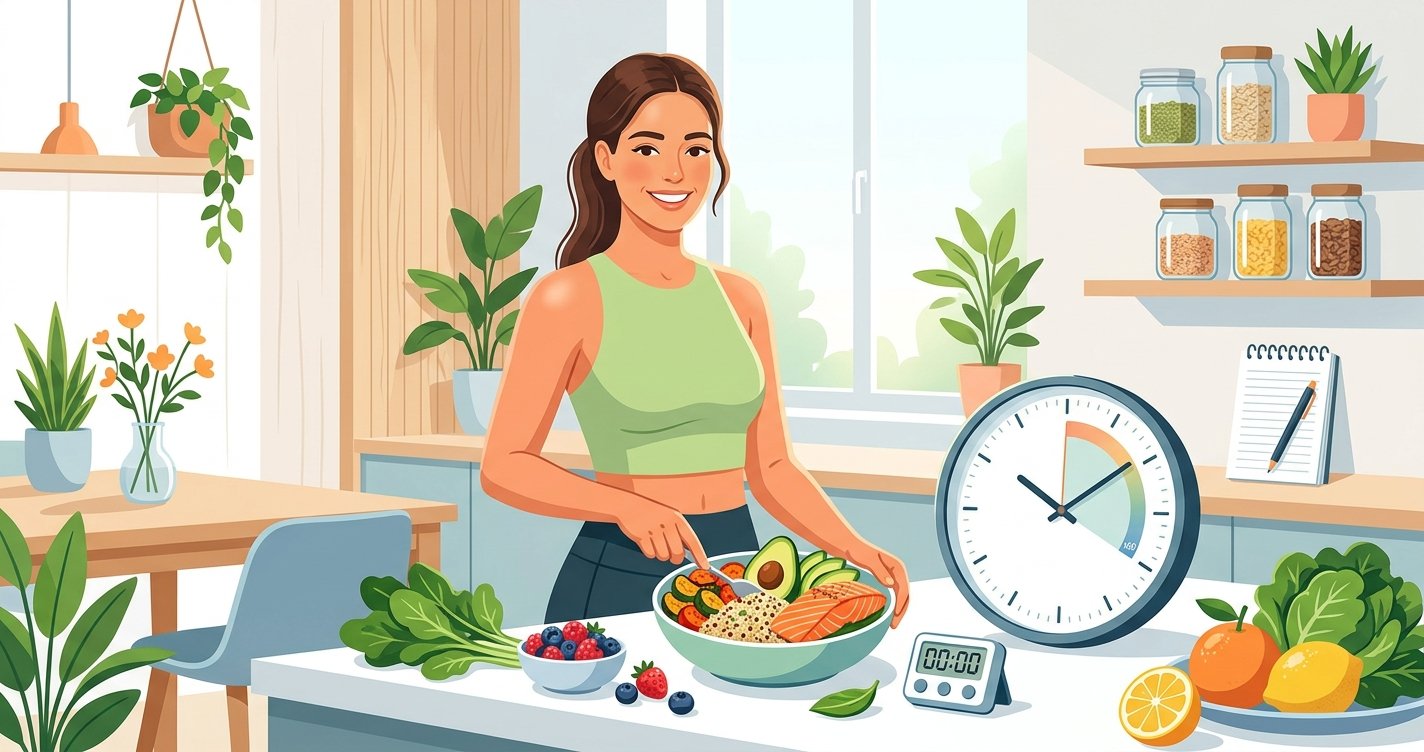
Tired of complicated diets that leave you feeling deprived and confused? What if there was a simpler, more intuitive approach to shedding unwanted fat and improving your overall health? Enter Intermittent Fasting (IF) – not a diet in the traditional sense, but rather an eating pattern that focuses on when you eat, rather than strictly what you eat. It’s gaining immense popularity for good reason, offering a powerful tool for sustainable fat loss, improved metabolic health, and even enhanced mental clarity.
In this friendly, evidence-based guide, we’ll dive deep into the world of Intermittent Fasting. We'll uncover the science behind why it works for fat loss, explore popular methods suitable for beginners, and provide actionable tips to help you integrate it safely and effectively into your lifestyle. Get ready to unlock your body’s natural fat-burning potential! this excellent wellness product
What is Intermittent Fasting (IF), Anyway?
At its core, Intermittent Fasting is an eating schedule that cycles between periods of eating and voluntary fasting. It’s important to understand that 'fasting' here doesn't mean starvation or deprivation. Instead, it’s a conscious decision to abstain from calorie-containing foods and beverages for a specific duration, followed by an 'eating window' where you consume your daily meals.
Think of it less as a restrictive diet and more as a flexible approach to timing your food intake. Unlike traditional diets that often dictate specific foods or macronutrient ratios, IF is largely about creating a consistent rhythm for your body, allowing it to tap into its stored energy (fat) during the fasting periods. This simple shift can have profound effects on your metabolism and overall well-being.
The Science Behind IF and Fat Loss
So, how exactly does skipping meals translate into a leaner, healthier you? The magic of Intermittent Fasting lies in its impact on your hormones and cellular processes. When you fast, several beneficial changes occur in your body that directly contribute to fat loss.
Insulin Sensitivity & Hormonal Balance
One of the primary drivers of fat storage is insulin, a hormone released by your pancreas in response to food intake, especially carbohydrates. When insulin levels are high, your body is in 'storage mode,' making it difficult to burn fat. During fasting periods, your insulin levels drop significantly and remain low. This allows your body to switch from burning glucose (sugar) for energy to burning stored fat (ketones). Consistent periods of low insulin also improve insulin sensitivity, meaning your body becomes more efficient at using insulin when it is present, which is crucial for preventing insulin resistance and type 2 diabetes.
Furthermore, fasting can boost levels of Human Growth Hormone (HGH), a powerful hormone that plays a key role in fat loss and muscle preservation. Higher HGH levels during fasting help maintain muscle mass while encouraging your body to burn fat for fuel.
Autophagy: Cellular Cleanup
Beyond hormonal changes, Intermittent Fasting triggers a fascinating cellular process called autophagy, which literally means 'self-eating.' This isn't as scary as it sounds! Autophagy is your body's natural way of cleaning out old, damaged cells and recycling their components to create new, healthier cells. It's like hitting a 'reset' button for your cellular health.
While more research is needed on its direct impact on fat loss, improved cellular health and efficiency through autophagy can indirectly support a healthier metabolism, which is beneficial for weight management and overall longevity.
Calorie Reduction, Naturally
Perhaps the most straightforward way IF contributes to fat loss is by naturally leading to a reduction in overall calorie intake. By compressing your eating into a shorter window, you inherently have fewer opportunities to eat, often resulting in consuming fewer calories throughout the day without meticulously counting them. While IF doesn't give you a free pass to binge during your eating window, for many, the structured timing helps prevent mindless snacking and overeating, making calorie management much simpler.
Popular Intermittent Fasting Methods for Beginners
Ready to give IF a try? There are several popular methods, and the key is to find one that fits your lifestyle and preferences. Remember, consistency is more important than perfection.
The 16/8 Method (LeanGains)
This is arguably the most popular and beginner-friendly approach. It involves fasting for 16 hours each day and confining your eating to an 8-hour window. For example, you might skip breakfast, have your first meal at 12 PM (noon), and finish your last meal by 8 PM. During the 16-hour fast, you can drink water, black coffee, and unsweetened tea. This method is highly flexible and integrates well into most daily routines.
Eat-Stop-Eat (24-hour fasts)
This method involves choosing one or two non-consecutive days per week to perform a full 24-hour fast. For instance, you might finish dinner on Monday at 7 PM and not eat again until dinner on Tuesday at 7 PM. This approach can be more challenging for beginners but can be very effective for accelerating fat loss once you're comfortable with shorter fasts. Always listen to your body and ensure you’re adequately hydrated.
The 5:2 Method (Two days of restricted calories)
With the 5:2 method, you eat normally for five days of the week and restrict your calorie intake to about 500-600 calories on two non-consecutive days. For example, you might eat normally Monday, Tuesday, Thursday, Friday, Saturday, and have your low-calorie days on Wednesday and Sunday. This method offers a different kind of flexibility, as you're not fully fasting, but significantly reducing energy intake on your 'fasting' days.
Getting Started with IF: A Friendly Guide
Embarking on your Intermittent Fasting journey doesn't have to be daunting. Here are some practical tips to help you get started successfully and sustainably.
Start Slow and Listen to Your Body
Don’t jump straight into a 24-hour fast. Begin with a shorter fasting window, like 12 hours (e.g., stopping eating after dinner at 7 PM and not eating again until breakfast at 7 AM). Once you’re comfortable, gradually extend your fasting period to 14 or 16 hours. Pay attention to how your body feels; mild hunger is normal, but severe discomfort is a sign to ease up.
Hydration is Key!
During your fasting window, staying well-hydrated is crucial. Drink plenty of water. Black coffee and unsweetened teas (green tea, herbal tea) are also excellent choices, as they can help curb hunger and provide a gentle energy boost without breaking your fast. Avoid sugary drinks, diet sodas, and anything with artificial sweeteners if you want to be strict, as some research suggests they might trigger an insulin response.
Prioritize Nutrient-Dense Foods
Your eating window is NOT a free-for-all. To maximize the fat loss and health benefits of IF, focus on consuming whole, unprocessed, nutrient-dense foods. Prioritize lean proteins (chicken, fish, legumes), healthy fats (avocado, nuts, olive oil), and plenty of fiber-rich vegetables and fruits. These foods will keep you feeling full, provide essential nutrients, and support your metabolic health.
Don't Forget Exercise (But Don't Overdo It)
Combining IF with regular physical activity can amplify your results. Light to moderate exercise, like walking or cycling, can often be performed comfortably during your fasted state. For more intense workouts (heavy lifting, HIIT), you might find it beneficial to schedule them closer to your eating window, or even just before your first meal, to ensure you have adequate energy and can refuel afterwards. Always listen to your energy levels.
Sleep, Stress, and Consistency
Fat loss is a holistic endeavor. Ensure you're getting adequate, high-quality sleep (7-9 hours per night) and managing stress effectively. Poor sleep and high stress levels can disrupt hormones that regulate hunger and fat storage, undermining your IF efforts. Finally, consistency is paramount. Don't worry about being perfect every day; aim for consistency most days, and view IF as a long-term lifestyle change, not a temporary diet.
Who Should Be Cautious (or Avoid) IF?
While Intermittent Fasting offers numerous benefits, it's not suitable for everyone. Always consult with a healthcare professional before starting any new eating pattern, especially if you have underlying health conditions.
- Pregnant or Breastfeeding Women: Nutritional needs are significantly higher during these periods.
- Individuals with a History of Eating Disorders: IF can potentially trigger unhealthy patterns.
- Diabetics: Fasting can significantly impact blood sugar levels and medication needs; medical supervision is essential.
- People on Certain Medications: Especially those that need to be taken with food.
- Children and Adolescents: Their bodies are still growing and have different nutritional requirements.
- Individuals who are Underweight or Malnourished: IF is generally not recommended.
Beyond the Scale: Other Benefits of Intermittent Fasting
While fat loss is a significant motivator, many people continue Intermittent Fasting for its impressive array of other benefits:
- Mental Clarity and Focus: Many fasters report increased alertness and concentration during their fasting window.
- Simplicity and Convenience: Fewer meals to plan, prepare, and clean up means more time and less mental load.
- Potential Longevity: Research in animals suggests IF can extend lifespan, likely due to mechanisms like autophagy and improved metabolic health. Human research is ongoing.
- Improved Relationship with Food: Learning to distinguish true hunger from emotional eating or boredom can be very empowering.
Conclusion
Intermittent Fasting is far more than just another diet trend; it’s a powerful, evidence-based strategy for achieving sustainable fat loss, improving metabolic health, and enhancing overall well-being. By simply shifting when you eat, you can unlock your body's natural ability to burn fat, optimize hormones, and even repair cells.
Remember, the journey to a healthier you is personal. Start slowly, choose a method that resonates with your lifestyle, prioritize nutrient-dense foods during your eating window, stay hydrated, and most importantly, listen to your body. With a friendly, consistent, and informed approach, Intermittent Fasting could be the key to unlocking the lasting fat loss and vibrant health you’ve been searching for. Here's to a healthier, happier you!