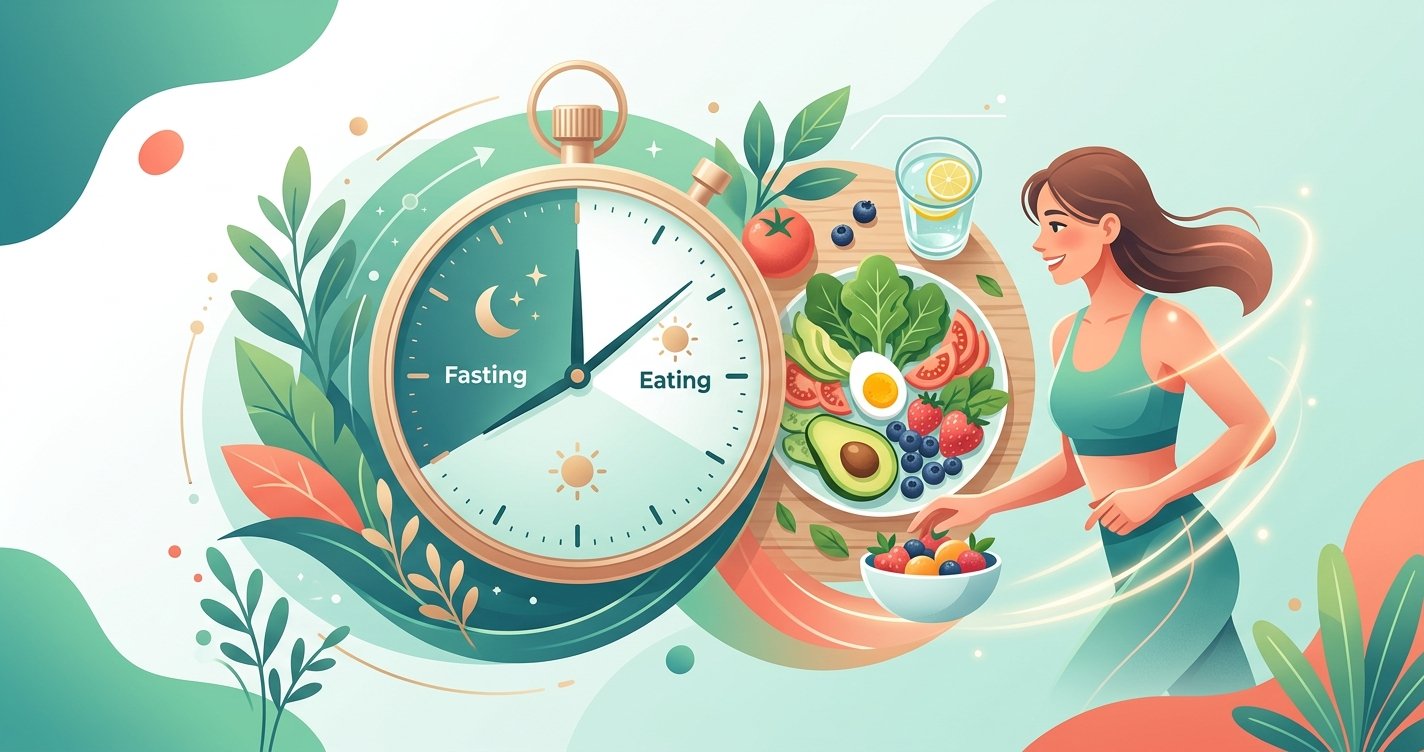
Unlock Your Fat Loss Potential: A Friendly, Evidence-Based Guide to Intermittent Fasting
Tired of restrictive diets that leave you feeling deprived? What if a powerful, yet flexible, approach to fat loss focused more on when you eat, rather than just what you eat? Welcome to Intermittent Fasting (IF)! This isn't just a fad; it's an eating pattern with growing scientific evidence supporting its benefits for weight management, metabolic health, and even longevity. If you're seeking a sustainable, empowering way to shed stubborn pounds and feel great, you're in the right place. In this friendly, evidence-based guide, we'll demystify intermittent fasting and show you how it can unlock your body's natural fat-burning potential. Get ready to transform your relationship with food and discover a healthier, leaner you!
What Exactly is Intermittent Fasting (and Why the Hype)?
Intermittent Fasting isn't a diet; it's an eating pattern that cycles between periods of eating and voluntary fasting. It doesn't dictate what to eat, but when. The "hype" reflects countless individuals experiencing tangible results, backed by a surge in scientific research. this excellent wellness product
IF's beauty lies in its flexibility. There isn't one rigid way to fast, allowing you to choose a method that fits your lifestyle. This adaptability makes it sustainable compared to traditional calorie-restricted diets. When you give your body a break from constant digestion, it shifts focus from storing energy to burning stored fat for fuel.
The Science Behind the Fast: How IF Helps You Shed Pounds.
How does changing your eating schedule lead to fat loss? It's all about what happens inside your body during fasting periods.
- Hormonal Reset for Fat Burning: When you eat, insulin rises, signaling your body to store glucose. High insulin makes it harder to burn fat. During a fast, insulin levels drop significantly, signaling your body to tap into stored fat for energy, making fat burning more efficient.
- Human Growth Hormone (HGH) Boost: Fasting can significantly increase HGH, a powerful hormone that helps preserve muscle mass while promoting fat loss. Great news for maintaining muscle during weight loss!
- Norepinephrine (Noradrenaline) Surge: Your body also increases norepinephrine during a fast. This hormone tells fat cells to break down stored fat into free fatty acids for energy, essentially putting your body into fat-burning mode.
- Calorie Reduction (Often Unintentional): While IF doesn't explicitly restrict calories, most people naturally eat fewer calories overall when their eating window is compressed. It's often easier to manage intake within a shorter window.
- Improved Insulin Sensitivity: Regular fasting can improve your body's sensitivity to insulin. This means cells respond better, requiring less insulin, further supporting lower insulin levels and enhanced fat burning.
These physiological shifts create a powerful internal environment primed for fat burning.
Popular Intermittent Fasting Methods for Beginners.
Ready to dive in? Here are popular and beginner-friendly IF methods:
- The 16/8 Method (Leangains Protocol): The most popular and easiest method. Fast for 16 hours, eat within an 8-hour window. Example: Stop eating at 8 PM, eat again at 12 PM the next day (skipping breakfast).
- Why it works: Simple to integrate, often means skipping just one meal.
- Tip: Black coffee, plain tea, and water are essential during your fasting window.
- The 5:2 Method (The Fast Diet): Eat normally for five days, restrict calorie intake to 500-600 calories on two non-consecutive days.
- Why it works: Flexibility for social events, fasting days aren't complete fasts.
- Tip: Plan low-calorie days with nutrient-dense, high-protein, high-fiber foods for satiety.
- Eat-Stop-Eat (24-Hour Fast): Fast for a full 24 hours, once or twice a week. Example: Finish dinner 7 PM Monday, don't eat until 7 PM Tuesday.
- Why it works: Can create a significant weekly calorie deficit and boost metabolic flexibility.
- Tip: More challenging for beginners; start with shorter fasts first.
The "best" method is the one you can stick to consistently!
Practical Tips to Make Your Fasting Journey a Success.
Embarking on IF can feel daunting, but smart strategies lead to success:
- Hydration is Key: Drink plenty of water. Herbal teas and black coffee help curb hunger. Dehydration is often mistaken for hunger.
- Prioritize Nutrient-Dense Foods: When you eat, make it count! Focus on whole, unprocessed foods: lean proteins, healthy fats, fiber-rich vegetables, complex carbohydrates. This keeps you full and provides essential nutrients.
- Listen to Your Body: IF should feel empowering, not punishing. If you feel dizzy, unwell, or excessively hungry, break your fast. Adjust your schedule or method as needed.
- Start Slow and Be Consistent: Don't jump into 24-hour fasts. Begin with a shorter window (e.g., 12/12) and gradually extend. Consistency over perfection.
- Combine with Movement: Pair IF with regular physical activity, especially strength training, to amplify fat loss and preserve muscle mass.
- Prioritize Sleep: Quality sleep is crucial for hormone regulation (ghrelin and leptin). Aim for 7-9 hours.
- Manage Stress: High stress (cortisol) can hinder fat loss. Practice stress-reducing techniques like meditation or yoga.
Who Should Be Cautious (or Avoid) Intermittent Fasting?
While IF offers benefits for many, it's not for everyone. Always consult a healthcare professional before starting, especially with underlying health conditions.
Individuals who should exercise caution or avoid IF include:
- Pregnant or breastfeeding women.
- Individuals with a history of eating disorders.
- People with Type 1 diabetes or on medication for Type 2 diabetes (risk of hypoglycemia).
- Those with certain medical conditions or taking medications requiring food intake.
- Individuals who are underweight.
- Children and adolescents.
Your doctor can provide personalized advice.
Busting Common Intermittent Fasting Myths.
Let's clear up common misconceptions:
- Myth: "Intermittent fasting will slow down my metabolism."
Fact: Short-term fasting can actually boost your metabolic rate by increasing norepinephrine. Studies suggest fasting for up to 48 hours can increase metabolism, not decrease it.
- Myth: "You'll lose all your muscle if you don't eat frequently."
Fact: When done correctly (enough protein, strength training), IF is effective at preserving muscle mass while burning fat. HGH helps protect muscle tissue.
- Myth: "You can eat anything you want during your eating window."
Fact: IF offers flexibility, but it's not a license for unhealthy foods. For optimal fat loss and health, focus on nutritious, whole foods. "What" you eat still matters.
- Myth: "Intermittent fasting is extreme and unsustainable."
Fact: It can be as gentle or challenging as you make it. Starting with a 12-hour fast (e.g., 7 PM to 7 AM) is a gentle introduction. Many find it more sustainable than traditional calorie-counting diets.
Conclusion
Intermittent Fasting isn't a magic bullet, but it's a powerful, evidence-based strategy for fat loss and overall health. By understanding the science, choosing a suitable method, and implementing practical tips, you can tap into your body's natural fat-burning ability and feel more energetic. Be patient, listen to your body, and celebrate every small victory. If you're ready to break free from restrictive diets and embrace a flexible approach to sustainable fat loss, intermittent fasting might be your game-changer. Start slow, stay hydrated, focus on nourishing foods, and embark on a journey to a healthier, happier you!