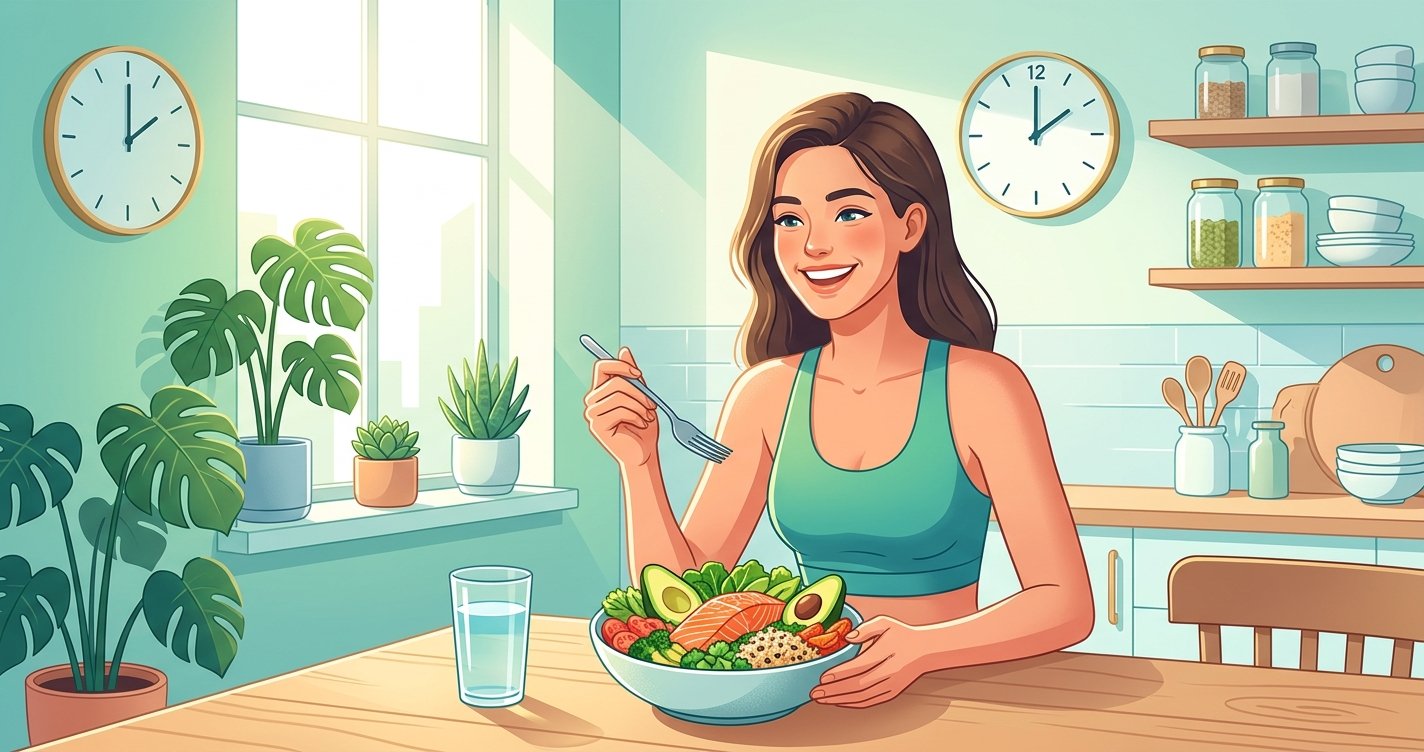
Feeling stuck on your fat loss journey? You’re not alone! Many people struggle to find a sustainable and effective approach that fits into their busy lives. If you've been hearing buzz about 'intermittent fasting' (IF) and wondering if it's the missing piece, you've come to the right place. Far from being just another fad diet, intermittent fasting is an eating pattern that focuses on when you eat, rather than solely what you eat, and it holds some exciting potential for fat loss and overall health.
In this friendly, evidence-based guide, we'll demystify intermittent fasting, explore how it scientifically aids in fat loss, and provide practical tips to help you get started safely and effectively. Get ready to understand how strategic eating windows can help you tap into your body's natural fat-burning mechanisms! this excellent wellness product
What Exactly is Intermittent Fasting (IF)?
At its core, intermittent fasting isn't a diet in the traditional sense; it's an eating pattern. It involves cycling between periods of eating and voluntary fasting. The beauty of IF is its flexibility – there isn't just one way to do it. The goal is to extend the time your body spends in a fasted state, allowing it to shift from burning glucose (sugar) for energy to burning stored fat.
Think of it less as deprivation and more as a structured approach to meal timing that aligns with our evolutionary biology. Our ancestors didn't have constant access to food, and our bodies are incredibly well-equipped to function optimally during periods without eating.
Common Intermittent Fasting Methods for Beginners:
- 16/8 Method (Leangains Protocol): This is arguably the most popular and easiest method for beginners. You fast for 16 hours each day and restrict your eating to an 8-hour window. For example, if you finish dinner at 8 PM, you wouldn't eat again until 12 PM the next day. This often means skipping breakfast.
- 12/12 Method: An even gentler introduction. Fast for 12 hours, eat for 12 hours. If you eat dinner at 7 PM, your first meal would be at 7 AM. This is a great way to ease into IF and see how your body responds.
- Eat-Stop-Eat: Involves a 24-hour fast, once or twice a week. For example, not eating from dinner on Monday until dinner on Tuesday. This is more advanced and not typically recommended for beginners.
- 5:2 Diet: You eat normally for five days of the week and restrict calories to 500-600 on two non-consecutive days.
For most people looking to kickstart fat loss, the 16/8 or 12/12 methods offer the best balance of effectiveness and sustainability.
How Does IF Promote Fat Loss? The Science Behind It
Intermittent fasting isn't magic, but it does leverage several powerful physiological mechanisms to encourage fat burning:
- Insulin Sensitivity: When you eat, your body releases insulin, a hormone that helps cells absorb glucose for energy. High, constant insulin levels can make it harder for your body to burn fat. IF helps improve insulin sensitivity, meaning your body needs less insulin to do its job. Lower insulin levels signal your body to start burning stored fat for fuel.
- Human Growth Hormone (HGH) Increase: Fasting significantly boosts HGH levels. HGH is crucial for fat loss, muscle gain, and overall metabolic health. Higher HGH levels promote fat burning and help preserve lean muscle mass during weight loss.
- Norepinephrine (Noradrenaline) Release: During a fasted state, your nervous system releases norepinephrine. This hormone signals fat cells to break down stored fat into fatty acids, which can then be burned for energy.
- Autophagy: This fascinating cellular process, often triggered by fasting, is your body's way of 'cleaning house.' It removes damaged cells and cellular components, leading to cellular repair and regeneration. While not directly a fat-loss mechanism, it contributes to overall metabolic health, which supports a healthy weight.
- Calorie Reduction (Often Unintentional): By naturally reducing your eating window, many people find they consume fewer calories overall, even without consciously trying to. This calorie deficit is fundamental for fat loss.
By combining these effects, IF creates an environment where your body becomes more efficient at tapping into its fat stores for energy, leading to sustainable fat loss.
Beyond the Fast: What to Eat During Your Eating Window
It's crucial to understand that intermittent fasting isn't a license to eat anything you want during your eating window. The quality of your food still matters immensely for fat loss and overall health. To maximize the benefits of IF, focus on nutrient-dense, whole foods:
- Lean Proteins: Chicken, fish, eggs, tofu, legumes. Protein is vital for satiety, muscle preservation, and a healthy metabolism.
- Healthy Fats: Avocados, nuts, seeds, olive oil. These provide sustained energy and support hormone function.
- Complex Carbohydrates: Whole grains (oats, quinoa, brown rice), sweet potatoes, fruits, and vegetables. These provide fiber, vitamins, and minerals, and help keep you full.
- Plenty of Fiber: Found in fruits, vegetables, and whole grains, fiber aids digestion and promotes satiety.
Avoid highly processed foods, sugary drinks, excessive refined carbohydrates, and unhealthy fats. Think of your eating window as an opportunity to nourish your body with everything it needs to thrive.
Common Mistakes to Avoid on Your IF Journey
While IF is generally safe, a few pitfalls can hinder your progress or make the experience unpleasant:
- Overeating During Your Eating Window: The most common mistake! If you compensate for fasting by binging on unhealthy, high-calorie foods, you'll negate any potential fat loss benefits.
- Poor Food Choices: As mentioned, quality matters. Fasting doesn't excuse a diet of junk food.
- Insufficient Hydration: Staying hydrated is critical during fasting. Drink plenty of water, black coffee, or plain tea. Electrolytes can also be helpful.
- Ignoring Your Body's Signals: While some hunger is normal, severe dizziness, extreme fatigue, or persistent headaches are signs to slow down or re-evaluate.
- Going Too Hard, Too Fast: Starting with a 24-hour fast might be overwhelming. Ease in with 12/12 or 16/8.
- Lack of Sleep: Poor sleep can disrupt hunger hormones and make fasting much harder. Prioritize 7-9 hours of quality sleep.
Who Should (and Shouldn't) Try Intermittent Fasting?
Intermittent fasting can be a fantastic tool for many healthy adults looking to manage their weight, improve metabolic health, and simplify their eating routine. However, it's not for everyone.
You should consult your doctor before starting IF if you are:
- Pregnant or breastfeeding.
- Diabetic or have blood sugar regulation issues.
- Taking medications that require food intake.
- Underweight or have a history of eating disorders.
- Under the age of 18.
- Have underlying medical conditions.
Always listen to your body and prioritize your health and well-being above all else.
Tips for Sustainable Success with Intermittent Fasting
Ready to give IF a try? Here are some friendly tips to help you succeed and make it a sustainable part of your lifestyle:
- Start Slow: Begin with a 12/12 fast, then gradually extend your fasting window to 14 or 16 hours as you feel comfortable.
- Stay Hydrated: Drink plenty of water throughout your fasting period. Black coffee and plain tea are also fine and can help curb hunger.
- Manage Hunger: Distract yourself during early hunger pangs. Often, the feeling passes. A glass of water or a sugar-free beverage can help.
- Prioritize Nutrient-Dense Foods: Make your eating windows count by filling them with whole, unprocessed foods.
- Listen to Your Body: IF is not a rigid dogma. If you feel unwell, break your fast. Adjust your schedule as needed.
- Be Patient: Fat loss takes time. Don't expect drastic results overnight. Consistency is key.
- Combine with Exercise: Regular physical activity will amplify your fat loss results and improve overall health.
- Track Your Progress: Keep a journal of how you feel, your energy levels, and any changes in your body composition.
Embrace a New Way of Eating for Lasting Fat Loss
Intermittent fasting offers a compelling, evidence-based strategy for sustainable fat loss and improved metabolic health. By strategically timing your meals and focusing on nutrient-rich foods during your eating windows, you can empower your body to become a more efficient fat-burning machine. It's not about deprivation, but about creating harmony with your body's natural rhythms.
Remember, the best approach is one that you can stick with long-term and that makes you feel good. Start gently, listen to your body, and don't hesitate to consult with a healthcare professional to ensure IF is right for you. Here's to unlocking your fat loss potential and feeling your best!