Are you exploring effective and sustainable ways to shed those stubborn pounds and feel great in your skin? You've likely heard the buzz around Intermittent Fasting (IF), and for good reason! It’s not just another fad diet; it’s an eating pattern with a growing body of scientific evidence supporting its benefits, particularly for fat loss.
Forget restrictive calorie counting every single day. Intermittent Fasting isn't about what you eat as much as it is about when you eat. By cycling between periods of eating and voluntary fasting, you can unlock powerful metabolic changes that make fat loss not only achievable but also more sustainable. Ready to dive into how this powerful approach can transform your fat loss journey? Let's explore the science, practical methods, and friendly tips to get you started! this excellent wellness product
Why Intermittent Fasting for Fat Loss? The Science-Backed Edge
The core appeal of Intermittent Fasting for fat loss lies in its ability to naturally shift your body into a fat-burning state. Here’s how it works:
Simplified Calorie Control Without Constant Counting
One of the biggest struggles with traditional diets is the constant mental load of tracking calories. IF naturally helps you reduce your overall calorie intake by shortening your eating window. When you have fewer hours to eat, it becomes inherently harder to overconsume, leading to a caloric deficit – the fundamental requirement for fat loss. It’s a more intuitive approach to managing your energy balance.
Hormonal Optimization for Fat Burning
This is where IF truly shines. When you eat, your body releases insulin, a hormone that helps store glucose (sugar) from your food as energy. High insulin levels signal your body to store fat. During a fasted state, insulin levels drop significantly. This lower insulin level, coupled with an increase in growth hormone and norepinephrine, signals your body to tap into its fat stores for energy. Essentially, your body switches from burning sugar to burning fat, making it easier to access and utilize stored body fat.
Autophagy and Cellular Repair
Beyond fat loss, IF offers profound health benefits. During fasting, your body initiates a cellular clean-up process called autophagy. Think of it as your body’s natural recycling program, where old, damaged cells are removed and new, healthier cells are generated. While not directly a fat loss mechanism, improved cellular health contributes to overall metabolic efficiency, which indirectly supports a healthier weight and body composition.
Popular Intermittent Fasting Methods
There’s no one-size-fits-all approach to IF. Here are some of the most popular and evidence-backed methods:
The 16/8 Method (Time-Restricted Eating)
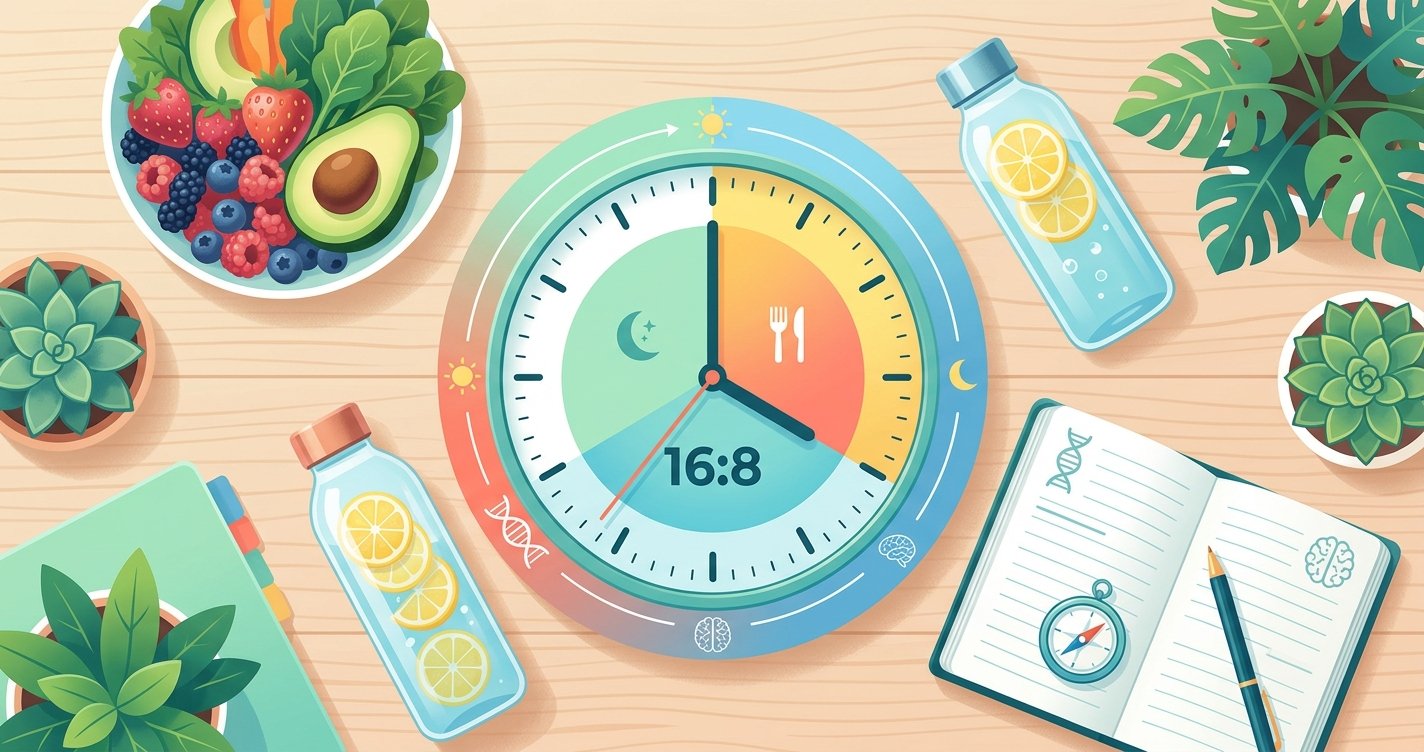
This is by far the most popular and easiest method to start with. It involves fasting for 16 hours and eating all your meals within an 8-hour window. For example, you might skip breakfast, eat your first meal at 1 PM, and finish your last meal by 9 PM. Many people find this method highly sustainable as it often means just skipping one meal, usually breakfast, which many already do.
The 5:2 Diet (The Fast Diet)
With the 5:2 method, you eat normally for five days of the week and restrict your calorie intake to 500-600 calories on two non-consecutive days. For instance, you might eat regularly Monday, Tuesday, Thursday, Saturday, and Sunday, and have your low-calorie days on Wednesday and Friday. This method can be effective but requires more conscious calorie tracking on fast days.
Eat-Stop-Eat (24-Hour Fast)
This method involves a full 24-hour fast once or twice a week. For example, you might finish dinner at 7 PM on Monday and not eat again until 7 PM on Tuesday. While more challenging than 16/8, it can be a powerful tool for metabolic flexibility and fat loss, but it's often recommended for those who have already adapted to shorter fasting windows.
How to Get Started with Intermittent Fasting: Practical Tips for Success
Embarking on your IF journey doesn't have to be daunting. Here are some friendly tips to set you up for success:
- Start Slow and Be Patient: If 16 hours seems too long, begin with a 12-hour fast and gradually extend it by an hour or two each week. Your body needs time to adapt, and patience is key.
- Hydration is Your Best Friend: During your fasting window, drink plenty of water, black coffee, or unsweetened tea. This helps curb hunger and keeps you energized. Electrolytes can also be beneficial, especially if you experience lightheadedness.
- Focus on Nutrient-Dense Foods During Your Eating Window: IF is not a license to eat junk food. Prioritize whole, unprocessed foods like lean proteins, healthy fats, fiber-rich vegetables, and complex carbohydrates. These will keep you satiated and provide essential nutrients.
- Listen to Your Body: Pay attention to how you feel. If you’re experiencing extreme fatigue, dizziness, or other concerning symptoms, break your fast or adjust your schedule. IF should feel empowering, not punishing.
- Plan Your Meals: Knowing what you’ll eat during your eating window can prevent impulsive, unhealthy choices. Meal prepping can be a huge help here.
- Stay Active (But Don’t Overdo It): Moderate exercise can complement IF beautifully. Many people find they have great energy for workouts in a fasted state. However, avoid intense, prolonged exercise during initial adaptation or on longer fasts until your body is fully accustomed.
Common Myths and Misconceptions About Intermittent Fasting
Let's debunk some common concerns that might be holding you back:
“You'll Lose Muscle Mass”
This is a common fear, but research suggests that IF, especially with adequate protein intake during eating windows, is actually quite muscle-sparing compared to traditional calorie restriction. In fact, the increase in growth hormone during fasting can help preserve muscle mass.
“It Slows Your Metabolism”
Quite the opposite! Short-term fasting can actually boost your metabolism by increasing norepinephrine. While very long, prolonged fasts (days on end) might slow metabolism, the common IF protocols (like 16/8 or 5:2) do not typically have this effect.
“It's Only for Men”
While some early concerns were raised about IF’s effects on women’s hormones, much of the evidence suggests that women can safely and effectively practice IF. However, women, especially those who are pregnant, breastfeeding, or have hormonal imbalances, should approach IF more cautiously and consider shorter fasting windows or consult a healthcare professional.
Combining IF with Exercise for Enhanced Results
Integrating exercise into your IF routine can significantly amplify your fat loss and health benefits. Many individuals find that exercising in a fasted state (e.g., a morning workout before breaking your fast) can enhance fat oxidation. Your body, already primed to burn fat for fuel, becomes even more efficient at it during exercise. However, listen to your body and ensure you’re adequately hydrated. For intense weight training, some prefer to schedule their workouts closer to their eating window to optimize recovery and muscle protein synthesis.
Who Should Be Cautious? (Important Disclaimer)
While IF offers many benefits, it's not for everyone. It's crucial to consult with a healthcare professional or registered dietitian before starting IF, especially if you:
- Are pregnant or breastfeeding
- Have a history of eating disorders
- Are underweight
- Have diabetes or blood sugar regulation issues (especially if on medication)
- Have low blood pressure
- Are taking medications that require food intake
- Have a chronic medical condition
Embrace Your Sustainable Fat Loss Journey
Intermittent Fasting isn't a magic bullet, but it's a powerful and sustainable tool that, when combined with smart food choices and a healthy lifestyle, can significantly accelerate your fat loss journey and improve your overall health. It offers a refreshing alternative to traditional dieting, focusing on flexibility and metabolic well-being. By understanding the science, choosing a method that suits you, and listening to your body, you can confidently embark on this journey and discover a healthier, happier you. You’ve got this!