Unlock Your Fat Loss Potential: A Friendly, Evidence-Based Guide to Intermittent Fasting
Are you looking for a sustainable, science-backed approach to fat loss that doesn't involve restrictive diets or endless calorie counting? You've likely heard the buzz about Intermittent Fasting (IF), and for good reason! It's not just another fad; it's an eating pattern gaining significant traction for its powerful effects on metabolic health and, yes, effective fat loss. But what exactly is it, and how can you make it work for you?
In this friendly guide, we'll dive deep into the world of Intermittent Fasting, exploring the science behind its fat-burning power, demystifying popular methods, and equipping you with practical tips to integrate it seamlessly into your lifestyle. Get ready to discover a flexible approach that could revolutionize your relationship with food and your body! this excellent wellness product
What Exactly is Intermittent Fasting? (It's Simpler Than You Think!)
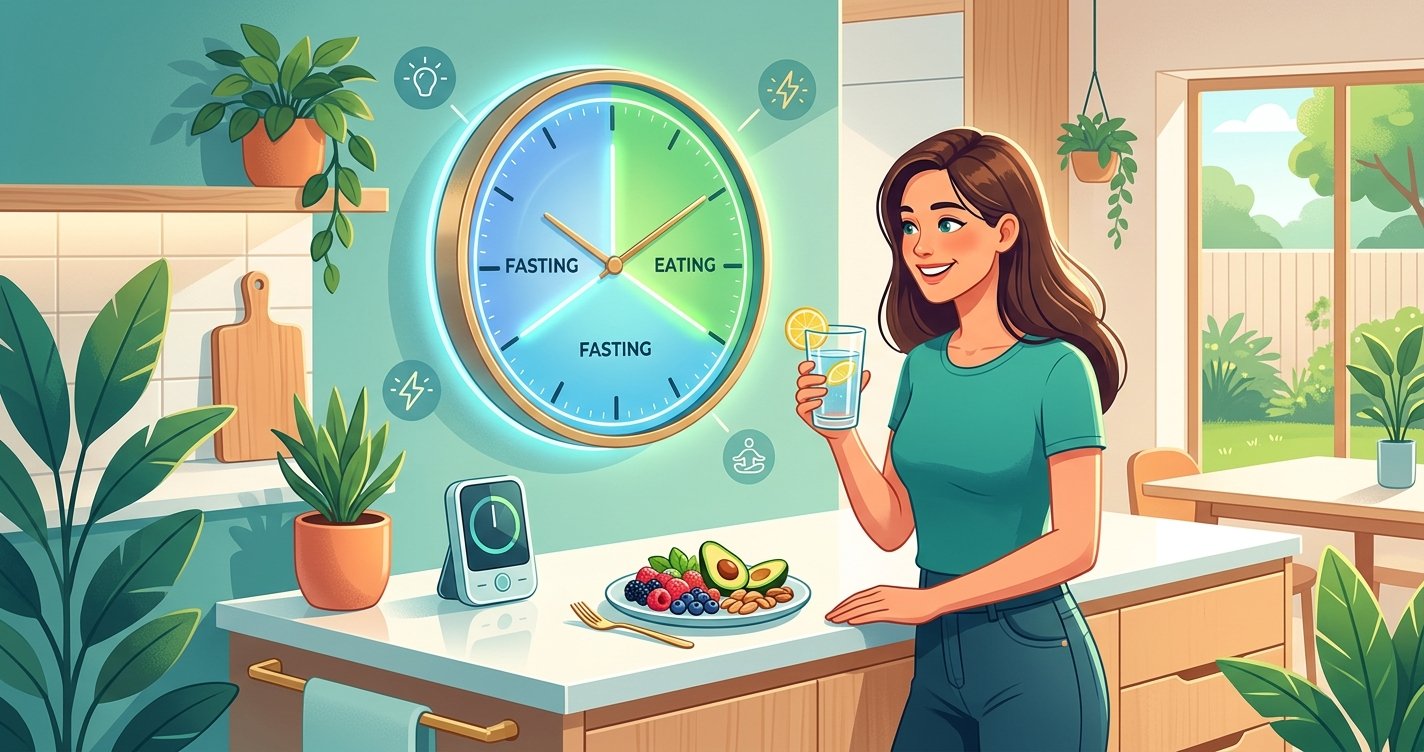
Let's clear up a common misconception: Intermittent Fasting isn't a diet in the traditional sense. It doesn't tell you *what* to eat, but rather *when* to eat. At its core, IF involves cycling between periods of eating and voluntary fasting (abstaining from food). The goal is to extend the time your body spends in a 'fasted state,' which shifts its primary fuel source from glucose (sugar) to stored body fat.
Think of it less as deprivation and more as a structured approach to meal timing that gives your digestive system a regular break. This simple shift can trigger a cascade of beneficial metabolic changes that are incredibly powerful for fat loss and overall health.
The Science-Backed Benefits for Fat Loss
Intermittent Fasting isn't magic, but it does leverage some pretty impressive biological mechanisms to help you shed unwanted fat. Here's how it works:
Insulin Sensitivity: The Fat Storage Hormone
When you eat, especially carbohydrates, your body releases insulin. Insulin's job is to shuttle glucose from your bloodstream into your cells for energy or storage. High and constant insulin levels signal your body to store fat and can make it harder to access existing fat stores for energy. By extending your fasting windows, IF helps to lower insulin levels and improve your body's sensitivity to it. This means your body becomes more efficient at using glucose when it's available and more readily switches to burning stored fat when it's not.
Human Growth Hormone (HGH): Your Natural Fat Burner
During fasting periods, your body naturally increases the production of Human Growth Hormone (HGH). HGH is a powerful hormone that plays a crucial role in fat loss, muscle growth, and overall metabolic health. Higher HGH levels during fasting can help preserve lean muscle mass while simultaneously increasing fat burning – a fantastic combination for achieving a lean physique.
Autophagy: Cellular Cleanup for Metabolic Health
One of the less talked about, yet profoundly beneficial, aspects of fasting is autophagy. This is your body's natural process of 'cellular cleanup,' where old, damaged cells and cellular components are recycled and renewed. While not directly a fat-loss mechanism, enhanced autophagy contributes to better cellular health and improved metabolic function, which indirectly supports a more efficient fat-burning metabolism.
Calorie Deficit (Without Counting Every Single Calorie)
For many, Intermittent Fasting naturally leads to a reduced overall calorie intake without the need for meticulous tracking. By condensing your eating into a shorter window, you often consume fewer meals and snacks, making it easier to achieve the calorie deficit necessary for fat loss. It's a more intuitive way to manage energy balance.
Popular Intermittent Fasting Methods: Find Your Fit!
There's no one-size-fits-all approach to IF. The beauty lies in its flexibility! Here are some of the most popular methods:
The 16/8 Method: Most Popular & Beginner-Friendly
- How it works: You fast for 16 hours each day and eat all your meals within an 8-hour window. For example, you might skip breakfast, eat lunch around 1 PM, and finish dinner by 9 PM.
- Why it's popular: It's easy to adapt to, often just involving skipping one meal (usually breakfast), and fits well into most social schedules.
The 5:2 Method: "Fast Days" and Regular Eating
- How it works: You eat normally for five days of the week, and on two non-consecutive days, you restrict your calorie intake to 500-600 calories.
- Why it's popular: Offers more flexibility for those who prefer longer eating periods most days.
Eat-Stop-Eat: The 24-Hour Fast
- How it works: Involves one or two non-consecutive 24-hour fasts per week. For example, you might finish dinner on Monday at 7 PM and not eat again until dinner on Tuesday at 7 PM.
- Why it's popular: Can be effective for those who are more experienced and comfortable with longer fasts.
OMAD (One Meal A Day): The Advanced Approach
- How it works: As the name suggests, you eat only one large meal per day.
- Why it's popular: Can be very effective for fat loss, but requires careful nutrient planning to ensure you get all necessary vitamins and minerals in that single meal. Generally recommended for more experienced fasters.
Getting Started with Intermittent Fasting: Your Friendly First Steps
Ready to give it a try? Here's how to ease in and make it a positive experience:
- Start Slow: Don't jump straight into a 24-hour fast. Begin with a shorter eating window, like 12/12, and gradually extend your fasting period as you feel comfortable. The 16/8 method is an excellent starting point.
- Hydration is Key: During your fasting window, stay well-hydrated. Water, black coffee, and plain tea are your best friends. These can help curb hunger and keep you feeling energized.
- Prioritize Nutrient-Dense Foods: When you do eat, focus on whole, unprocessed foods. Lean proteins, healthy fats, fiber-rich vegetables, and complex carbohydrates will provide sustained energy, keep you full, and ensure you're getting essential nutrients. This is crucial for successful and healthy fat loss.
- Break Your Fast Gently: After a longer fast, avoid overeating or binging on unhealthy foods. Start with a balanced meal that includes protein, healthy fats, and fiber to ease your digestive system back into action.
- Listen to Your Body: Intermittent Fasting should feel empowering, not punishing. If you're feeling unwell, excessively tired, or experiencing severe hunger, adjust your schedule or consult a healthcare professional.
Beyond Fat Loss: Other Amazing Benefits of Intermittent Fasting
While fat loss is a primary driver for many, IF offers a host of other incredible health benefits:
- Improved Brain Health: Studies suggest IF can enhance brain function, protect against neurodegenerative diseases, and improve memory.
- Reduced Inflammation: Chronic inflammation is linked to numerous diseases. IF has been shown to reduce inflammatory markers in the body.
- Potential for Longevity: Animal studies indicate that IF may extend lifespan by improving cellular repair processes and metabolic health.
- Simplicity & Time Saving: For many, reducing the number of meals they prepare and eat each day simplifies their routine and frees up time.
Navigating Challenges & When to Be Cautious
Like any lifestyle change, IF can come with its hurdles. It's also not for everyone.
Common Hurdles: Hunger, Energy Dips, Social Situations
- Hunger: Initial hunger pangs are normal. They often pass, especially if you stay hydrated. Over time, your body adapts.
- Energy Dips: Some people experience low energy or headaches initially. Electrolytes (like a pinch of sea salt in water) can sometimes help. Ensure you're getting enough sleep.
- Social Situations: Plan ahead! If you have a dinner engagement, adjust your eating window for that day. Most people are understanding if you explain you're just not eating at that moment.
Who Should Avoid or Consult a Doctor First?
While generally safe for healthy adults, Intermittent Fasting is NOT recommended for everyone. Please consult your doctor before trying IF if you are:
- Pregnant or breastfeeding
- Have a history of eating disorders
- Have diabetes or blood sugar regulation issues
- Are underweight or have nutritional deficiencies
- Are taking medications, especially for blood pressure or blood sugar
- Have specific medical conditions (e.g., adrenal issues, kidney disease)
Making Intermittent Fasting a Sustainable Lifestyle
The key to success with Intermittent Fasting, and fat loss in general, is sustainability. Think of IF not as a temporary diet, but as a flexible tool you can use to optimize your health and body composition for the long term.
Embrace flexibility; some days you might fast longer, others shorter. The goal is progress, not perfection. Combine IF with a diet rich in whole foods, regular physical activity, and adequate sleep for the best results. It's a powerful piece of the wellness puzzle, but it works best when integrated into a holistic healthy lifestyle.
Ready to Begin Your Journey?
Intermittent Fasting offers a refreshing, evidence-based path to fat loss and improved metabolic health. By understanding its mechanisms, finding a method that suits you, and listening to your body, you can unlock its incredible potential. Remember, this is your journey – be patient, be kind to yourself, and enjoy the process of discovering a healthier, stronger you!