Intermittent Fasting for Sustainable Fat Loss: Your Friendly, Evidence-Based Guide
Hey there, future you! Are you tired of complicated diets and endless calorie counting that leave you feeling deprived and frustrated? What if there was a simpler, more flexible approach to fat loss that could also boost your overall health? Enter Intermittent Fasting (IF) – a powerful eating pattern that’s gaining immense popularity, not just for its effectiveness in shedding unwanted pounds, but also for its remarkable health benefits. But let’s be honest, it can sound a bit intimidating at first, right? Fasting? For fat loss? Don't worry, you're in the right place!
This comprehensive guide is designed to demystify intermittent fasting, particularly how it can be a game-changer for sustainable fat loss. We'll dive into the science, explore practical methods, debunk common myths, and provide you with actionable tips to make IF a friendly, effective, and enjoyable part of your lifestyle. Get ready to unlock a healthier, leaner you without the constant struggle! this excellent wellness product
What Exactly is Intermittent Fasting (IF)? It's Simpler Than You Think!
At its core, intermittent fasting isn't a diet in the traditional sense; it's an eating pattern that cycles between periods of eating and voluntary fasting. It doesn't tell you what to eat, but rather when to eat. This distinction is crucial because it offers incredible flexibility and can be tailored to fit almost any lifestyle. Think of it less as deprivation and more as strategic eating.
The beauty of IF lies in its simplicity. Instead of constantly grazing or following strict meal plans, you define an 'eating window' and a 'fasting window' each day or week. During your eating window, you consume all your meals. During your fasting window, you abstain from caloric intake, though water, black coffee, and plain tea are generally allowed and encouraged.
The Science-Backed Secret: How IF Helps You Burn Fat
So, how does simply changing when you eat lead to fat loss? It all comes down to a few powerful metabolic shifts in your body. This isn't just about eating less; it's about optimizing your body's fat-burning machinery.
Insulin Sensitivity: The Game Changer for Fat Loss
Perhaps the most significant mechanism behind IF's fat-loss power is its impact on insulin. When you eat, especially carbohydrates, your body releases insulin to shuttle glucose (sugar) into your cells for energy. High, frequent insulin levels signal to your body to store fat. During a fasted state, insulin levels drop significantly. Low insulin levels tell your body, 'Hey, we need energy! Let's tap into those fat stores!' This shift makes your body more efficient at burning stored fat for fuel, rather than relying solely on incoming food.
Growth Hormone & Norepinephrine: Your Body's Natural Fat Burners
Fasting also triggers an increase in human growth hormone (HGH) and norepinephrine (noradrenaline). HGH is crucial for muscle preservation and fat metabolism. Norepinephrine helps break down stored body fat into free fatty acids, which can then be burned for energy. Essentially, IF turns your body into a more effective fat-burning machine, even while preserving your precious muscle mass – a key factor for sustainable fat loss and a healthy metabolism.
Cellular Repair and Autophagy: Beyond Just Losing Weight
While not directly a fat-loss mechanism, it's worth noting that fasting initiates cellular repair processes, including autophagy. This is where your cells clean out old, damaged components, literally recycling them for new ones. Think of it as your body's internal spring cleaning, contributing to longevity and overall metabolic health, which indirectly supports a healthier body composition.
Finding Your Perfect Fit: Popular IF Approaches for Beginners
There are several ways to practice intermittent fasting, but the key is finding a method that fits your lifestyle and feels sustainable. Remember, consistency beats intensity!
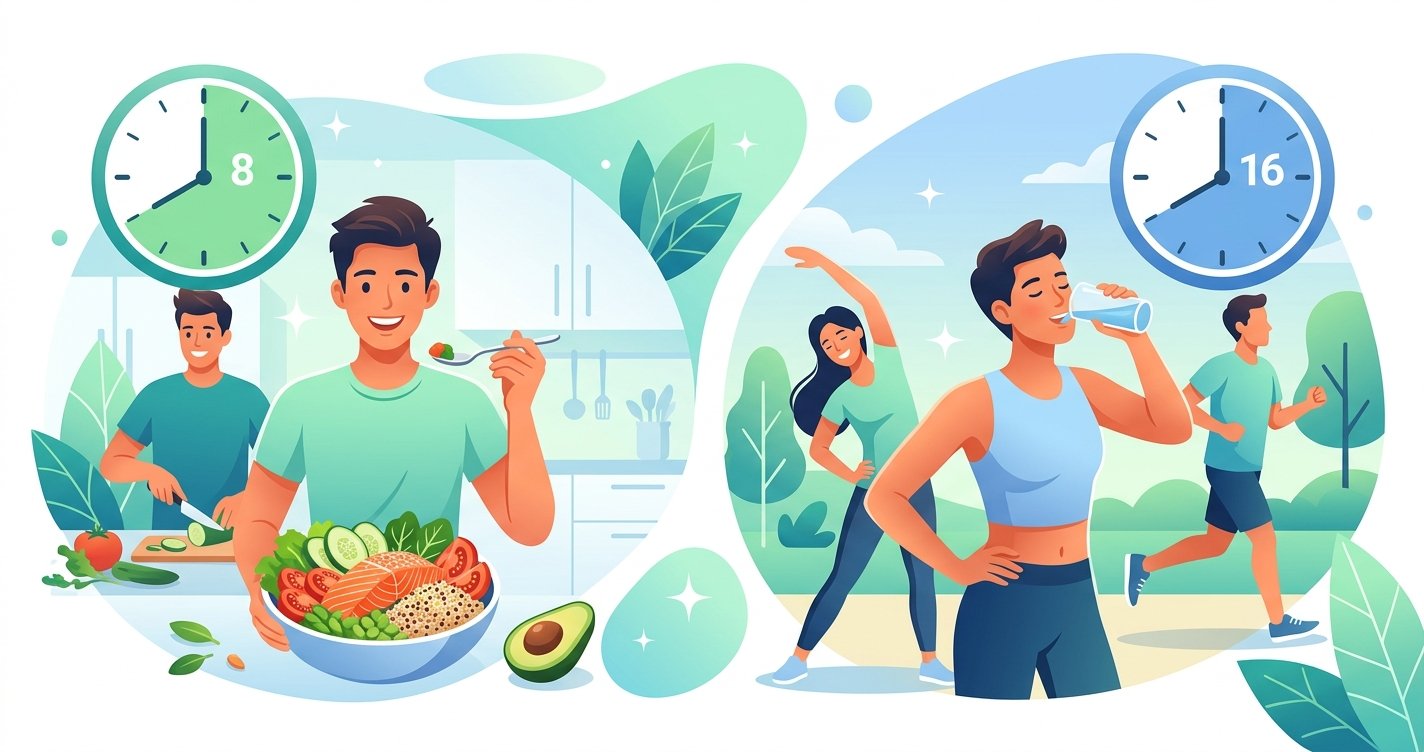
- The 16/8 Method (Leangains Protocol): This is the most popular and often recommended method for beginners. It involves fasting for 16 hours and having an 8-hour eating window. For example, you might finish dinner by 8 PM and not eat again until 12 PM the next day, effectively skipping breakfast. This method is highly flexible and easy to integrate into a busy schedule.
- The 12/12 Method: If 16 hours seems too long, start here! A 12-hour fast with a 12-hour eating window is a gentle introduction, often achieved simply by not eating after dinner and before breakfast.
- Eat-Stop-Eat: This involves a 24-hour fast, once or twice a week. For example, finishing dinner on Monday and not eating again until dinner on Tuesday. This is a more advanced method and not typically recommended for beginners.
- 5:2 Diet: With this approach, you eat normally for five days a week and restrict calories (around 500-600 calories) on two non-consecutive days.
For most people aiming for sustainable fat loss, the 16/8 method is an excellent starting point. It's manageable, provides significant benefits, and allows for social eating without feeling overly restricted.
Beyond the Scale: Amazing Health Perks of Intermittent Fasting
While fat loss is often the primary motivator, the benefits of IF extend far beyond just shedding pounds. Embracing this eating pattern can lead to a host of other health improvements:
- Improved Insulin Sensitivity: As mentioned, this is huge for preventing type 2 diabetes and managing blood sugar.
- Reduced Inflammation: Chronic inflammation is linked to numerous diseases, and IF can help calm it down.
- Boosted Brain Health: Studies suggest IF can enhance brain function, protect against neurodegenerative diseases, and improve memory.
- Heart Health Benefits: It can improve blood pressure, cholesterol levels, and other markers of heart health.
- Potential for Longevity: By promoting cellular repair and reducing oxidative stress, IF may contribute to a longer, healthier life.
These additional benefits make IF a truly holistic approach to wellness, not just a temporary fix for weight.
Making IF Sustainable: Practical Tips for a Smooth Journey
Ready to give IF a try for your fat loss journey? Here are some friendly tips to help you get started and stick with it:
Stay Hydrated Like a Pro
This is non-negotiable! During your fasting window, drink plenty of water. Black coffee and plain tea are also fine and can help with hunger pangs. Sometimes, what feels like hunger is actually thirst.
Focus on Nutrient-Dense Foods During Your Eating Window
IF isn't a license to eat junk. To maximize fat loss and health benefits, prioritize whole, unprocessed foods. Think lean proteins, healthy fats, plenty of vegetables, and complex carbohydrates. Quality still matters!
Listen to Your Body (Always!)
Everyone is different. Some days you might feel great, others a bit more challenged. Don't push yourself to the point of extreme discomfort or lightheadedness. Adjust your eating window if needed. IF should feel empowering, not punishing.
Start Slow and Be Patient
If 16 hours seems daunting, begin with a 12-hour fast and gradually extend it. Your body needs time to adapt. Don't expect instant results; sustainable fat loss takes time and consistency.
Plan Your Meals
Knowing what you'll eat during your window can prevent impulsive, unhealthy choices. Meal prepping can be a huge help.
Addressing Your Concerns: Common Myths & Important Considerations
Like any popular health trend, IF comes with its share of myths. Let's clear up some common misconceptions:
- Myth: IF slows your metabolism. Fact: Studies actually show IF can boost metabolism due to increased norepinephrine.
- Myth: You'll lose muscle mass. Fact: When combined with adequate protein intake and resistance training, IF is excellent at preserving muscle while burning fat.
- Myth: You'll be constantly hungry. Fact: While there's an adjustment period, most people find their hunger signals regulate, and they experience less constant cravings.
Is Intermittent Fasting Right for Everyone? Important Considerations:
While generally safe and beneficial for most healthy adults, IF isn't suitable for everyone. It's crucial to consult with your doctor or a healthcare professional before starting IF, especially if you:
- Are pregnant or breastfeeding.
- Have a history of eating disorders.
- Are underweight.
- Have diabetes or blood sugar regulation issues.
- Are on medication (especially for blood pressure or diabetes).
- Are under 18 years old.
Ready to Transform? Your Sustainable Fat Loss Journey Starts Now!
Intermittent fasting offers a refreshing, flexible, and evidence-based approach to sustainable fat loss and improved health. It's not a magic bullet, but a powerful tool that, when combined with a balanced diet and an active lifestyle, can help you achieve your body composition goals and feel incredible.
Remember, this is your journey. Be kind to yourself, experiment to find what works best for you, and focus on consistency. The path to lasting health and a leaner physique doesn't have to be a struggle. With intermittent fasting, you might just discover a simpler, more enjoyable way to live well and thrive.
So, are you ready to embrace the power of strategic eating and unlock your body's natural fat-burning potential? Your sustainable fat loss success story begins today!