Introduction: Unlocking Your Fat Loss Potential with Intermittent Fasting
Are you looking for a sustainable, effective way to shed those stubborn pounds and feel great? You’ve likely heard the buzz around Intermittent Fasting (IF), and for good reason! It’s not just another fad diet; it’s an eating pattern that cycles between periods of eating and voluntary fasting. Unlike traditional diets that dictate what you eat, IF focuses more on when you eat, offering a refreshing and often more flexible approach to fat loss and overall health.
In this friendly, evidence-based guide, we’ll dive deep into how intermittent fasting works, explore popular methods, and provide practical tips to help you integrate it into your lifestyle safely and effectively. Our goal is to empower you with the knowledge to make informed choices, paving your way to sustainable fat loss and improved well-being. this excellent wellness product
The Science Behind Intermittent Fasting and Fat Loss
Intermittent fasting isn't magic, but it does leverage some powerful physiological mechanisms to help your body tap into its fat stores. Let's break down the science:
The Insulin Connection
When you eat, especially carbohydrates, your body releases insulin. Insulin's job is to shuttle glucose (sugar) from your bloodstream into your cells for energy or storage. High insulin levels signal your body to store fat, and they also prevent your body from burning stored fat. During a fasting period, insulin levels drop significantly. This low insulin state tells your body, “Hey, we need energy! Let’s go get it from our fat reserves.”
Tapping into Stored Fat
Once your body has used up its readily available glucose (glycogen stores), which typically takes 10-12 hours, it switches gears. It begins to break down stored fat for fuel. This process, known as fat oxidation, is the cornerstone of IF for weight loss. You're literally burning your own body fat!
Growth Hormone Boost
Surprisingly, fasting can lead to a significant increase in Human Growth Hormone (HGH). HGH is crucial for fat loss, muscle preservation, and overall metabolic health. Higher HGH levels during fasting help protect your muscle mass while you're losing fat, which is a fantastic benefit often missed in conventional calorie-restricted diets.
Autophagy: Cellular Renewal
Beyond fat loss, fasting triggers a cellular repair process called autophagy (meaning “self-eating”). During autophagy, your cells clean out old, damaged components and regenerate new, healthier ones. Think of it as your body’s natural detox and recycling program. While more research is needed on its direct impact on fat loss, improved cellular health certainly contributes to overall metabolic efficiency.
The Calorie Deficit Angle
While IF isn't strictly about calorie restriction, it often naturally leads to one. By narrowing your eating window, you might find yourself consuming fewer calories overall without consciously counting them. This spontaneous reduction in calorie intake, combined with the hormonal shifts, creates a powerful environment for fat loss.
Popular Intermittent Fasting Methods: Find Your Fit
There are several ways to practice intermittent fasting, and the best method for you depends on your lifestyle, preferences, and goals. Here are some of the most popular approaches:
The 16/8 Method (Time-Restricted Eating)
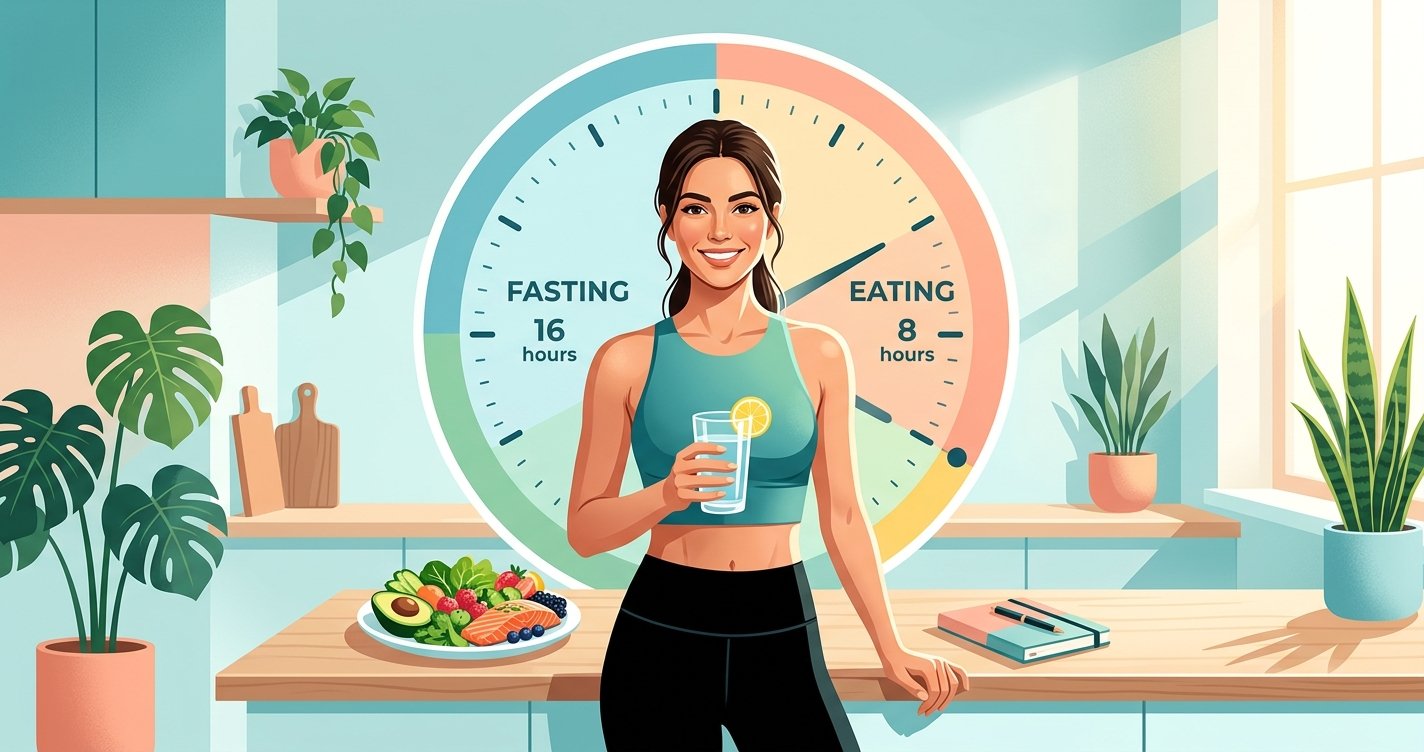
- How it works: This is arguably the most popular and easiest method to start with. You fast for 16 hours each day and eat all your meals within an 8-hour window. For example, if you finish dinner at 8 PM, you wouldn't eat again until 12 PM the next day.
- Benefits: It's relatively easy to adhere to, as much of the fasting occurs while you're sleeping. Skipping breakfast is a common practice here.
- Common Schedule: Fast from 8 PM to 12 PM (noon) the next day, then eat between 12 PM and 8 PM.
The 5:2 Diet
- How it works: With this method, you eat normally for five days of the week. For the other two non-consecutive days, you significantly reduce your calorie intake to about 500-600 calories (typically one small meal).
- Benefits: Offers flexibility on your non-fasting days, and some find it easier to manage two low-calorie days than daily restricted windows.
Eat-Stop-Eat (24-Hour Fast)
- How it works: This involves fasting for a full 24 hours, once or twice a week. For example, you might eat dinner on Monday at 7 PM and then not eat again until dinner on Tuesday at 7 PM.
- Considerations: This is a more advanced method and can be challenging initially. It's best to build up to this after gaining experience with shorter fasts.
While other methods like OMAD (One Meal A Day) exist, they are often more restrictive and might be better suited for experienced fasters.
Getting Started: Practical Tips for a Smooth Journey
Ready to give intermittent fasting a try? Here’s how to set yourself up for success:
Start Slow and Be Patient
Don't jump straight into a 24-hour fast. Begin with the 16/8 method, or even a shorter fast like 12 hours, and gradually extend your fasting window as your body adapts. It can take a few days or even a couple of weeks to fully adjust.
Prioritize Hydration
During your fasting window, it's crucial to stay hydrated. Drink plenty of water, black coffee, or plain unsweetened tea. These beverages can also help curb hunger pangs.
Focus on Nutrient-Dense Meals
When it’s time to eat, make your meals count! Focus on whole, unprocessed foods rich in protein, healthy fats, fiber, and complex carbohydrates. Think lean meats, fish, eggs, nuts, seeds, avocados, vegetables, and whole grains. This will keep you feeling full, provide essential nutrients, and support your energy levels.
Listen to Your Body
Intermittent fasting is not about suffering. If you feel dizzy, excessively weak, or unwell, stop your fast. Pay attention to your energy levels, mood, and hunger cues. This is a journey of self-discovery, and what works for one person might not work for another.
Mindset Matters
Approach IF with a positive attitude. See it as a tool for health and well-being, rather than a punishment. Focus on the benefits you’re gaining, both physically and mentally.
Beyond Fat Loss: The Broader Health Benefits
While fat loss is a primary driver for many, intermittent fasting offers a range of other potential health benefits:
- Improved Metabolic Health: Better insulin sensitivity and blood sugar control.
- Reduced Inflammation: Lowering chronic inflammation, a known culprit in many diseases.
- Enhanced Brain Health: Some studies suggest improved brain function and protection against neurodegenerative diseases.
- Increased Longevity: Animal studies have shown IF can extend lifespan, though human research is ongoing.
Who Should (and Shouldn't) Consider Intermittent Fasting
Intermittent fasting can be a powerful tool for many, but it's not suitable for everyone. It's always a good idea to consult with a healthcare professional before making significant dietary changes.
Who it's generally good for:
- Healthy adults looking for a sustainable fat loss strategy.
- Individuals seeking to improve metabolic markers like insulin sensitivity.
- People who prefer a simpler eating schedule without constant meal prep.
Important Considerations & Who Should Avoid It:
Intermittent fasting is generally not recommended for:
- Pregnant or breastfeeding women: Nutritional needs are higher during these periods.
- Individuals with a history of eating disorders: IF can potentially trigger unhealthy patterns.
- People with Type 1 diabetes or advanced Type 2 diabetes: Requires careful medical supervision due to blood sugar fluctuations.
- Individuals on certain medications: Especially those that need to be taken with food.
- Children and adolescents: Still growing and have different nutritional requirements.
- People who are underweight or have nutritional deficiencies.
If you have any underlying health conditions, it's absolutely essential to discuss intermittent fasting with your doctor or a registered dietitian.
Common Myths About Intermittent Fasting Debunked
Let's clear up some common misconceptions that might be holding you back:
“It slows down your metabolism.”
Quite the opposite! Short-term fasting can actually boost metabolism by increasing norepinephrine (adrenaline). Studies show that metabolism can increase by 3-14% during fasts lasting up to 48 hours. Only prolonged fasts (several days or more) have been shown to slow metabolism.
“You'll lose muscle.”
While any form of weight loss can lead to some muscle loss, IF appears to be quite effective at preserving muscle mass, especially when combined with resistance training and adequate protein intake during your eating window. The increase in HGH during fasting also helps protect muscle tissue.
“You'll be starving all the time.”
Initial hunger is common, but your body adapts. Many people report feeling less hungry once they've adjusted to their fasting schedule. Plus, staying hydrated and consuming nutrient-dense meals can significantly help manage hunger.
Conclusion: Your Path to Sustainable Fat Loss
Intermittent fasting is more than just a diet; it’s a flexible eating pattern that can be a powerful tool for sustainable fat loss and overall health improvement. By understanding the science, choosing a method that fits your lifestyle, and listening to your body, you can unlock its many benefits.
Remember, consistency and a focus on nutrient-rich foods during your eating windows are key. While IF offers incredible potential, it’s always a personal journey. Be kind to yourself, celebrate small victories, and consider consulting with a healthcare professional to ensure it’s the right path for you. Here’s to a healthier, happier you!