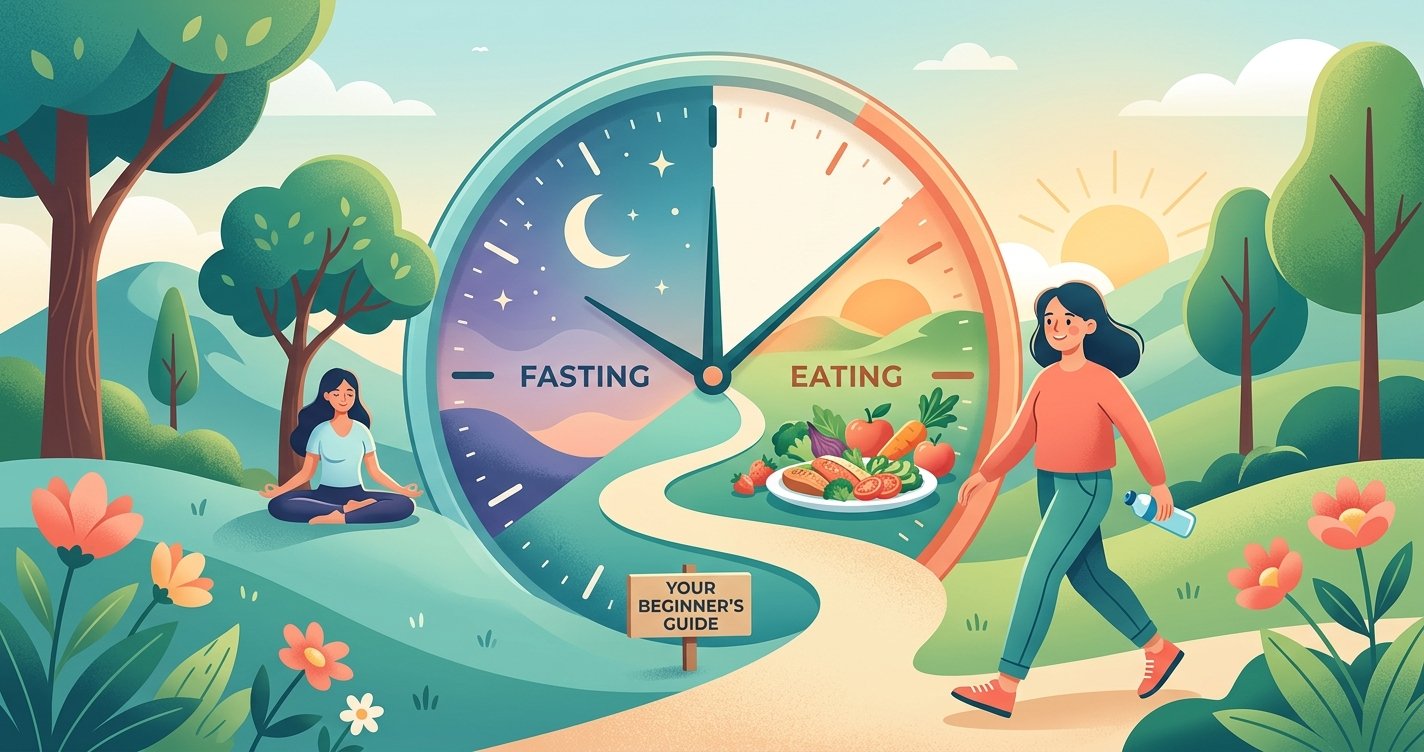
Intermittent Fasting for Sustainable Fat Loss: Your Friendly Beginner's Guide
Feeling stuck in a rut with traditional diets? You’re not alone! Many people find the constant counting, restricting, and rigid meal plans unsustainable. What if there was a more flexible approach that not only helped you shed unwanted fat but also offered a host of other health benefits? Enter intermittent fasting (IF) – a powerful and increasingly popular strategy for sustainable fat loss that focuses on when you eat, rather than just what you eat.
Intermittent fasting isn't a diet in the conventional sense, but rather an eating pattern. It’s about cycling between periods of eating and fasting. And while it might sound intimidating at first, it’s far more approachable than you might think. This guide will demystify intermittent fasting, explore the science behind its fat-loss benefits, and provide you with practical, friendly advice to help you get started on your journey towards a healthier, leaner you. this excellent wellness product
What Exactly *Is* Intermittent Fasting (IF), Anyway?
Let's clear up any misconceptions right away. Intermittent fasting isn't about starvation or depriving yourself of essential nutrients. Instead, it’s a structured approach to meal timing. You’re simply condensing your eating into a specific window each day or week, and then taking a break from food during the fasting window.
Think of it less as a diet and more as a lifestyle adjustment. During your eating window, you’re still aiming to consume nutritious, whole foods that fuel your body. During your fasting window, you typically consume only water, black coffee, or plain tea.
The Most Popular IF Methods for Beginners:
- The 16/8 Method: This is arguably the most popular and easiest method to start with. You fast for 16 hours and have an 8-hour eating window. For many, this means skipping breakfast, eating lunch around noon, and finishing dinner by 8 PM.
- The 5:2 Method: With this approach, you eat normally for five days of the week and restrict your calorie intake to 500-600 calories on two non-consecutive days.
- Eat-Stop-Eat: This involves one or two 24-hour fasts per week, for example, finishing dinner on Monday and not eating again until dinner on Tuesday. This is often seen as more advanced.
The beauty of IF is its flexibility. You can choose the method that best fits your schedule and lifestyle, making it a sustainable choice for long-term fat loss.
The Science Behind IF and Fat Loss: How It Works
Intermittent fasting isn't just a trend; it's backed by fascinating science that explains its effectiveness for fat loss and overall health. When you fast, several metabolic changes occur in your body that promote fat burning.
1. Hormonal Changes for Fat Burning
- Insulin Sensitivity: When you eat, your body releases insulin to shuttle glucose from your bloodstream into your cells for energy. High, constant insulin levels can make it harder for your body to access stored fat for fuel. Fasting periods allow insulin levels to drop significantly, which signals your body to start burning stored fat.
- Human Growth Hormone (HGH): Studies show that fasting can significantly increase levels of Human Growth Hormone, a powerful hormone that aids in fat loss and muscle preservation. More HGH means your body is more efficient at burning fat while holding onto lean muscle mass.
- Norepinephrine (Noradrenaline): Fasting can also increase norepinephrine, a hormone that boosts your metabolism, helping you burn more calories even at rest.
2. Cellular Repair and Autophagy
During fasting, your body initiates cellular repair processes, including autophagy. Autophagy is when your cells clean out old, damaged components, making way for newer, healthier ones. While not directly a fat loss mechanism, improved cellular health can contribute to better metabolic function overall, which supports your fat loss goals.
3. Natural Calorie Reduction
Perhaps one of the most straightforward ways IF aids fat loss is by naturally leading to a reduction in overall calorie intake. By compressing your eating into a smaller window, most people naturally eat fewer meals and snacks, making it easier to create the calorie deficit necessary for losing weight without feeling overly deprived.
Mastering Your Eating Window: Fueling Your Body Right
While IF focuses on when you eat, what you eat during your eating window is still crucially important for both fat loss and overall health. Intermittent fasting is not a license to indulge in unhealthy, processed foods.
Tips for Smart Eating During Your Window:
- Prioritize Whole, Unprocessed Foods: Focus on lean proteins (chicken, fish, beans), healthy fats (avocado, nuts, olive oil), complex carbohydrates (whole grains, sweet potatoes), and plenty of fruits and vegetables.
- Stay Hydrated: Drink plenty of water throughout the day, especially during your fasting window. Black coffee and plain tea are also acceptable and can help with hunger.
- Break Your Fast Gently: Avoid overeating or binging. Start with a balanced meal that includes protein, healthy fats, and fiber to help you feel full and satisfied.
- Listen to Your Body: Pay attention to hunger and fullness cues. Eat until you’re satisfied, not stuffed.
Tips for a Smooth Intermittent Fasting Journey
Starting any new eating pattern can have its challenges, but with a few strategies, you can make your IF journey a smooth and successful one.
- Start Gradually: Don't jump straight into a 24-hour fast. Begin with the 16/8 method and slowly extend your fasting window as you get more comfortable.
- Stay Busy: Distract yourself during fasting periods. Work, hobbies, exercise – keeping your mind occupied can help you forget about hunger.
- Electrolyte Balance: Especially if you're active or fasting for longer periods, consider adding a pinch of sea salt to your water or using an electrolyte supplement to prevent headaches and fatigue.
- Prioritize Sleep: Quality sleep is crucial for hormone balance and managing hunger. Aim for 7-9 hours of restful sleep each night.
- Incorporate Exercise: While you can exercise during your fasting window, listen to your body. Many find combining IF with strength training helps preserve muscle mass while losing fat.
- Be Patient: Fat loss takes time. Be consistent, trust the process, and celebrate small victories along the way.
Is Intermittent Fasting Right for Everyone?
While intermittent fasting offers numerous benefits for many, it's not universally suitable. It's always best to consult with your doctor or a registered dietitian before starting any new eating pattern, especially if you have underlying health conditions.
Who should exercise caution or avoid IF:
- Pregnant or breastfeeding women
- Individuals with a history of eating disorders
- People with diabetes or blood sugar regulation issues
- Those on certain medications that require food intake
- Individuals with chronic stress or adrenal fatigue
For most healthy adults, however, intermittent fasting can be a safe and highly effective tool for sustainable fat loss and improved metabolic health.
Embrace the Change, See the Results
Intermittent fasting offers a refreshing alternative to the complexities of traditional dieting. By focusing on mindful eating windows and allowing your body to tap into its natural fat-burning mechanisms, you can achieve sustainable fat loss, improve your metabolic health, and cultivate a healthier relationship with food. Remember, consistency and listening to your body are key. Take it one step at a time, embrace the journey, and get ready to unlock a healthier, leaner you!