Unlock Sustainable Fat Loss with Intermittent Fasting: Your Friendly, Evidence-Based Guide
You've probably heard the buzz around intermittent fasting (IF). It seems like everyone from celebrities to health gurus is talking about it, often touting it as a revolutionary approach to weight loss and overall well-being. But what exactly is intermittent fasting, and can it truly be a game-changer for sustainable fat loss?
We get it – the world of dieting can be confusing, filled with conflicting advice and fads that promise quick fixes but rarely deliver lasting results. That's why we're here to cut through the noise with a friendly, evidence-based look at intermittent fasting. Our goal is to empower you with clear, actionable information so you can decide if IF is the right tool for your fat loss journey, not just for a few weeks, but for the long haul. this excellent wellness product
Forget extreme deprivation and complicated meal plans. Intermittent fasting isn't a diet in the traditional sense; it's an eating pattern that focuses on *when* you eat, rather than strictly *what* you eat. Ready to explore how strategically timing your meals could be the key to unlocking a healthier, leaner you? Let's dive in!
What Exactly *Is* Intermittent Fasting?
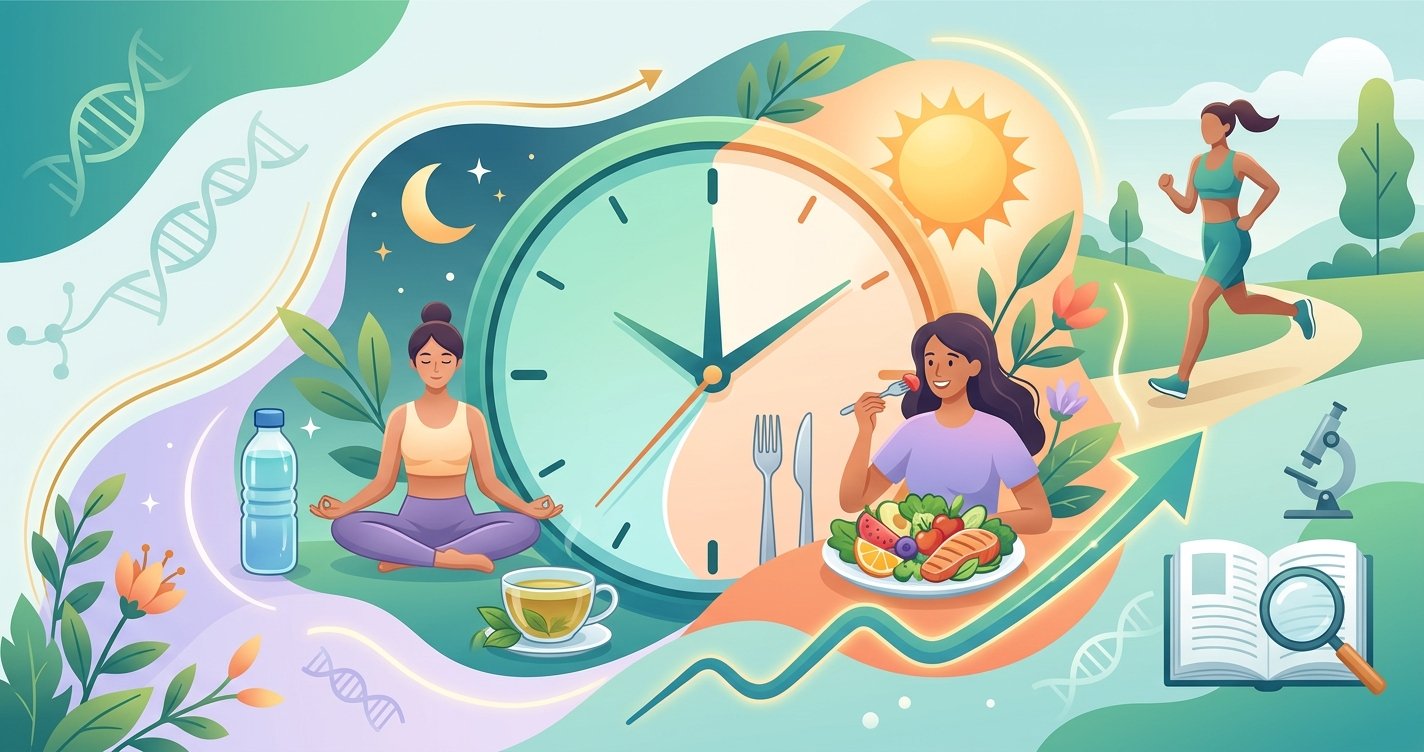
At its core, intermittent fasting is a simple concept: you cycle between periods of eating and voluntary fasting. It's not about starving yourself or cutting out entire food groups. Instead, it's about creating a consistent window each day (or week) where you consume all your meals, and then a longer window where you abstain from food.
Think of it as giving your digestive system a regular break. Our ancestors didn't have access to food 24/7; they naturally experienced periods of fasting. In many ways, IF is a return to a more natural, ancestral eating pattern that our bodies are well-equipped to handle.
During your fasting window, you typically consume calorie-free beverages like water, black coffee, or plain tea. When your eating window opens, the focus remains on nourishing your body with whole, unprocessed foods. It’s crucial to remember that IF isn't a license to binge on unhealthy foods during your eating window; sustainable fat loss still requires making smart, nutritious choices.
The Science-Backed Secret: How IF Aids Fat Loss
So, how does simply changing *when* you eat lead to fat loss? It's not magic; it's a clever interplay of metabolic and hormonal changes within your body. Scientific research has shed light on several key mechanisms:
1. Natural Caloric Deficit
Perhaps the most straightforward way IF contributes to fat loss is by naturally reducing your overall calorie intake. By compressing your eating into a shorter window, many people find it easier to consume fewer calories than they would if they were grazing throughout the day. You might skip breakfast, for example, and naturally eat less without feeling deprived.
2. Hormonal Optimization for Fat Burning
This is where IF truly shines. Fasting triggers several crucial hormonal shifts that encourage your body to tap into its fat stores:
- Insulin Sensitivity: When you eat, your body releases insulin to shuttle glucose from your blood into your cells for energy. Constant eating keeps insulin levels elevated, making it harder for your body to burn stored fat. Fasting lowers insulin levels, improving insulin sensitivity over time. This means your body becomes more efficient at using insulin when it's present, and it spends more time in a fat-burning state.
- Human Growth Hormone (HGH) Boost: Fasting has been shown to significantly increase the production of Human Growth Hormone. HGH is vital for muscle preservation and fat metabolism. Higher HGH levels during fasting can help you maintain muscle mass while burning fat, which is ideal for body composition.
- Norepinephrine (Noradrenaline) Release: Your body releases norepinephrine during fasting, a hormone that signals fat cells to break down stored fat into free fatty acids, making them available for energy. This essentially primes your body to use its fat reserves.
3. Metabolic Switching and Ketosis
When you fast, your body eventually depletes its glycogen (stored glucose) reserves. Once these are low, your body switches its primary fuel source from glucose to fat. This process can lead to a state called ketosis, where your body starts burning fat for energy and producing ketones. This metabolic flexibility is a hallmark of a healthy metabolism and a powerful tool for fat loss.
Popular IF Methods for Beginners
While there are several ways to practice intermittent fasting, some methods are more beginner-friendly than others. The key is to find a pattern that fits your lifestyle and feels sustainable.
The 16/8 Method (Leangains Protocol)
This is by far the most popular and easiest method for most people to adopt. It involves fasting for 16 hours each day and confining all your meals to an 8-hour eating window. For example, you might finish dinner by 8 PM and then not eat again until 12 PM the next day. This typically means skipping breakfast, which many people find simple to integrate into their routine.
Other Variations:
- Eat-Stop-Eat: Involves one or two 24-hour fasts per week (e.g., fasting from dinner on Monday until dinner on Tuesday). This can be more challenging and is generally not recommended for beginners.
- 5:2 Diet (The Fast Diet): This involves eating normally for five days a week and restricting calorie intake to 500-600 calories on the remaining two non-consecutive days.
For sustainable fat loss, we highly recommend starting with the 16/8 method. It's flexible, less restrictive, and allows your body to adapt gradually.
Beyond the Scale: Other Health Benefits of IF
While fat loss is a primary driver for many considering IF, its benefits extend far beyond just shedding pounds. Research suggests intermittent fasting can offer a host of other health advantages:
- Improved Brain Health: Studies indicate IF may boost brain-derived neurotrophic factor (BDNF), which supports the growth of new brain cells and may protect against neurodegenerative diseases.
- Reduced Inflammation: Chronic inflammation is linked to numerous health problems. IF has been shown to reduce markers of inflammation in the body.
- Cellular Repair (Autophagy): During fasting, your body initiates a cellular waste removal process called autophagy, where old, damaged cells are cleaned out and recycled. This process is crucial for cellular health and longevity.
- Better Metabolic Health: Beyond insulin sensitivity, IF can improve blood sugar control, reduce blood pressure, and positively impact cholesterol levels.
- Longevity Potential: Animal studies suggest that intermittent fasting may extend lifespan, though more human research is needed in this area.
Is Intermittent Fasting Right for YOU?
While IF offers compelling benefits, it's not a one-size-fits-all solution. It's crucial to consider your individual health, lifestyle, and consult with a healthcare professional before making significant dietary changes.
Who Can Benefit from IF?
- Healthy adults looking for a sustainable approach to fat loss and weight management.
- Individuals seeking to improve metabolic markers like insulin sensitivity and blood sugar control.
- Those who prefer a structured eating pattern that simplifies meal times.
- People who want to explore the potential broader health benefits like improved brain health and cellular repair.
Who Should Exercise Caution or Avoid IF?
- Pregnant or Breastfeeding Women: Nutritional needs are higher during these periods, and fasting can be detrimental.
- Individuals with a History of Eating Disorders: IF can potentially trigger or exacerbate disordered eating patterns.
- Children and Adolescents: Their bodies are still developing and require consistent nutrition.
- Individuals with Certain Medical Conditions: Especially those with diabetes (type 1 or 2), low blood pressure, or who are on medications that require food intake.
- Those with Adrenal Fatigue or Chronic Stress: Fasting can sometimes add additional stress to the body.
Always, always consult your doctor or a registered dietitian before starting any new eating regimen, especially if you have underlying health conditions or are on medication.
Your Step-by-Step Guide to Getting Started
Ready to give IF a try? Here’s a friendly guide to ease you into the process and set you up for success:
Start Slow:
Don't jump straight into 16/8 if you're used to eating all day. Begin with a 12-hour fast (e.g., stop eating at 8 PM, eat breakfast at 8 AM). Once comfortable, gradually extend your fasting window by an hour or two each week until you reach your desired goal (e.g., 14/10, then 16/8).Hydration is Your Best Friend:
During your fasting window, drink plenty of water, black coffee, and unsweetened tea. This helps manage hunger, keeps you hydrated, and provides electrolytes (consider adding a pinch of sea salt to water).Prioritize Nutrient-Dense Foods:
When your eating window opens, focus on whole, unprocessed foods. Load up on lean proteins, healthy fats, fiber-rich vegetables, and complex carbohydrates. This will keep you feeling full, provide essential nutrients, and prevent overeating.Listen to Your Body:
IF should feel sustainable, not punishing. If you feel dizzy, excessively weak, or unwell, stop fasting and re-evaluate. It’s okay to adjust your fasting window or take a break if needed.Patience and Consistency:
Fat loss is a journey, not a sprint. It takes time for your body to adapt. Be consistent with your chosen IF schedule, but also be patient with yourself.Combine with Exercise:
For optimal fat loss and body composition, combine IF with regular exercise, including both strength training and cardiovascular activity.
Common Pitfalls and How to Sail Past Them
Even with the best intentions, it's easy to stumble when trying a new eating pattern. Here are some common intermittent fasting pitfalls and how to avoid them:
- Overeating During the Eating Window: The biggest mistake! IF is not an excuse to gorge on unhealthy foods. If you consume more calories than your body needs during your eating window, you won't lose fat. Focus on balanced, nutritious meals.
- Lack of Hydration: Dehydration can mimic hunger pangs and lead to headaches and fatigue. Keep that water bottle handy!
- Poor Food Choices: Filling your eating window with processed foods, sugary drinks, and unhealthy snacks will sabotage your efforts. Remember, *what* you eat is still crucial for health and fat loss.
- Ignoring Hunger Cues Completely: While some hunger is normal during fasting, extreme, debilitating hunger might be a sign you're pushing too hard or not fueling adequately during your eating window.
- Getting Discouraged by Slow Progress: Fat loss isn't always linear. There will be weeks of faster progress and weeks of slower progress. Focus on consistency and the non-scale victories (more energy, better sleep, improved clothes fit).
Embrace a Smarter Approach to Fat Loss
Intermittent fasting isn't a magic bullet, but it is a powerful, evidence-based tool that, when implemented correctly, can significantly aid in sustainable fat loss and offer a wealth of other health benefits. By understanding the science, choosing a method that suits you, and focusing on nourishing your body during your eating windows, you can harness the power of IF to achieve your health and body composition goals.
Remember, the goal is long-term well-being, not just a temporary drop on the scale. Be kind to yourself, listen to your body, and always consult with a healthcare professional to ensure IF is the right path for your unique health journey. Here's to a healthier, leaner, and more vibrant you!