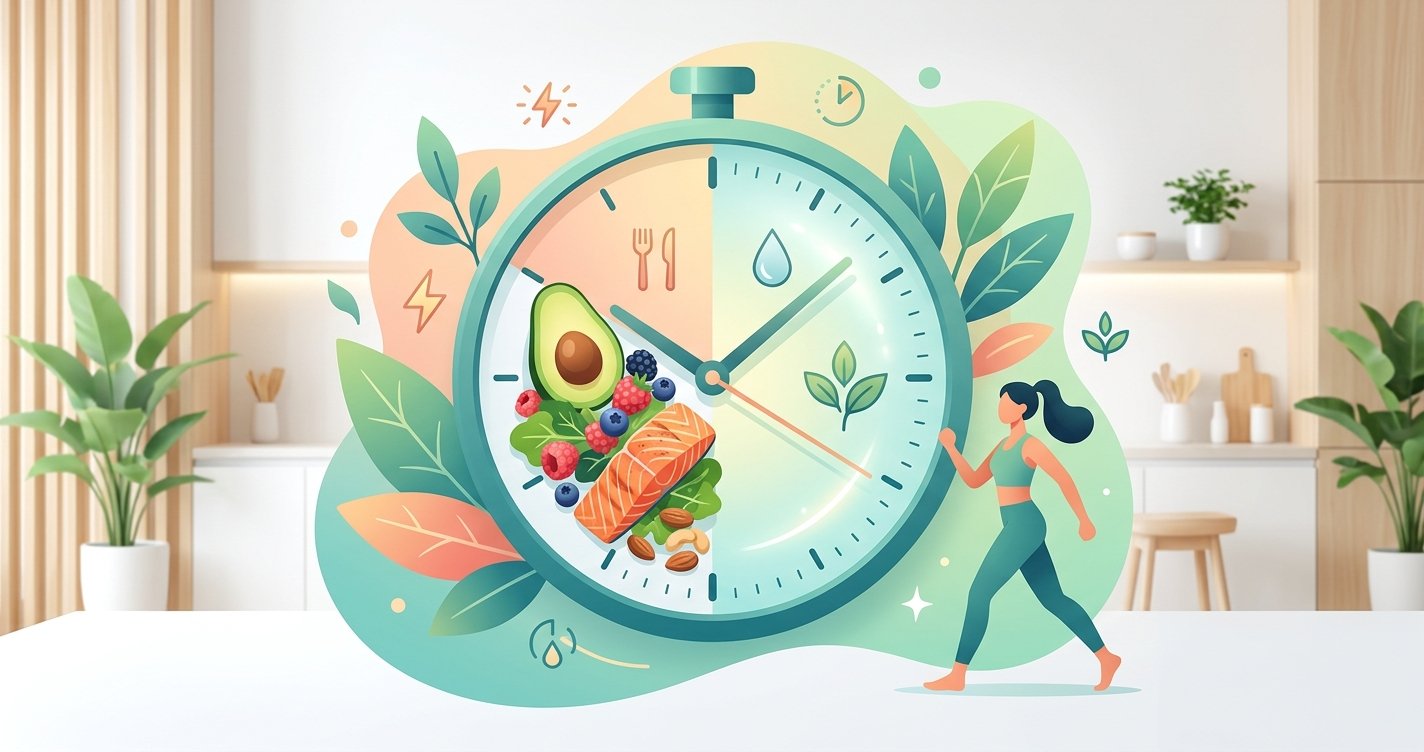
Are you tired of restrictive diets that leave you feeling deprived and demotivated? Do you dream of a simpler, more flexible approach to shedding unwanted fat and improving your overall health? If so, you're in the right place! Intermittent Fasting (IF) isn't just another fad diet; it's an eating pattern that has gained significant traction for its potential to unlock sustainable fat loss, boost metabolic health, and simplify your relationship with food. And the best part? It might be much easier to integrate into your life than you think.
At its core, Intermittent Fasting isn't about what you eat, but when you eat. It cycles between periods of eating and voluntary fasting, shifting your body's focus from constantly digesting food to tapping into its stored energy reserves – hello, fat loss! Backed by a growing body of scientific evidence, IF offers a unique pathway to not only reduce body fat but also enhance cellular repair, improve insulin sensitivity, and even boost brain function. Ready to explore how this powerful strategy can work for you? Let's dive in! this excellent wellness product
What Exactly is Intermittent Fasting (IF)?
Forget everything you think you know about traditional dieting. Intermittent Fasting isn't a diet in the conventional sense; it's an eating pattern. Instead of focusing on specific foods or calorie counts (though these still matter for overall health), IF structures your day into specific eating windows and fasting windows. During your eating window, you consume all your meals. During your fasting window, you abstain from food, typically consuming only water, black coffee, or plain tea.
Common Intermittent Fasting Methods:
- 16/8 Method (Leangains Protocol): This is arguably the most popular and easiest method for beginners. It involves fasting for 16 hours each day and confining your eating to an 8-hour window. For example, you might skip breakfast, eat your first meal at 1 PM, and finish your last meal by 9 PM.
- 5:2 Diet: With this method, you eat normally for five days of the week and restrict your calorie intake to 500-600 calories on two non-consecutive days.
- Eat-Stop-Eat: This involves one or two 24-hour fasts per week. For example, you might finish dinner on Monday at 7 PM and not eat again until dinner on Tuesday at 7 PM.
- Warrior Diet: This involves eating small amounts of raw fruits and vegetables during the day and then feasting on one large meal at night within a 4-hour eating window.
The beauty of IF lies in its flexibility. You can choose the method that best fits your lifestyle, schedule, and preferences, making it a sustainable choice for many.
How Does Intermittent Fasting Aid Fat Loss? The Science-Backed Edge
While often leading to natural calorie reduction, IF's fat-burning prowess goes beyond simply eating less. It triggers several powerful physiological changes in your body:
- Hormonal Optimization:
- Insulin Sensitivity: Fasting significantly lowers insulin levels, which is crucial because insulin is a fat-storing hormone. When insulin is low, your body can more easily access and burn stored fat for energy.
- Human Growth Hormone (HGH): Studies show that fasting can dramatically increase HGH levels, a hormone vital for muscle preservation and fat metabolism. Higher HGH means you're more likely to burn fat while holding onto lean muscle mass.
- Norepinephrine (Noradrenaline): Your body releases more norepinephrine during fasting, which signals fat cells to break down stored fat into free fatty acids, making them available for energy.
- Autophagy: Though not directly a fat loss mechanism, fasting stimulates autophagy, a cellular "housekeeping" process where your body cleans out damaged cells and regenerates new ones. This contributes to overall cellular health and can indirectly support a more efficient metabolism.
- Metabolic Flexibility: IF encourages your body to become more adept at switching between using glucose (sugar) and ketones (from fat) for fuel. This metabolic flexibility is key for sustained energy and efficient fat burning.
- Reduced Calorie Intake (Often Unintentional): By naturally shortening your eating window, many people find they consume fewer calories overall without consciously restricting or counting, creating the necessary calorie deficit for fat loss.
Making IF Sustainable & Effective for YOU: Practical Tips
Ready to give IF a try? Here's how to set yourself up for success and ensure it's a positive, long-term change:
Start Slow and Listen to Your Body
- Begin with a shorter fast: Don't jump straight into 24-hour fasts. Start with a 12-hour fast (e.g., stopping eating after dinner and not eating until breakfast), then gradually extend to 14 or 16 hours as you feel comfortable.
- Hydrate, hydrate, hydrate: Water, black coffee, and unsweetened tea are your best friends during the fasting window. They help manage hunger and keep you hydrated.
- Electrolytes are key: Especially if you're feeling sluggish or getting headaches, a pinch of sea salt in your water or an electrolyte supplement (without artificial sweeteners or calories) can make a huge difference.
Optimize Your Eating Windows
- Prioritize Whole, Nutrient-Dense Foods: When you do eat, make those calories count! Focus on lean proteins, healthy fats, complex carbohydrates, and plenty of fruits and vegetables. This provides essential nutrients, keeps you feeling full, and supports metabolic health.
- Don't Overcompensate: It's tempting to "feast" after a fast, but overeating processed foods or excessive calories will negate the benefits. Aim for balanced, satisfying meals.
- Fiber and Protein are Your Allies: These macronutrients are incredibly satiating and help manage hunger, making your fasting window much easier.
Integrate Lifestyle Factors for Enhanced Results
- Combine with Strength Training: While IF helps with fat loss, strength training is crucial for preserving and building muscle mass. More muscle means a higher resting metabolism, which is fantastic for long-term fat loss and body composition.
- Prioritize Quality Sleep: Poor sleep can wreak havoc on your hormones, increasing hunger and making fat loss harder. Aim for 7-9 hours of quality sleep per night.
- Manage Stress: Chronic stress elevates cortisol, a hormone that can promote fat storage, especially around the belly. Incorporate stress-reduction techniques like meditation, yoga, or spending time in nature.
Common Myths & Misconceptions About Intermittent Fasting
Let's bust some common myths that might be holding you back:
- Myth: "IF slows your metabolism."
Fact: Short-term fasts can actually boost metabolism due to increased norepinephrine. Only prolonged, extreme calorie restriction (not IF) tends to slow metabolism.
- Myth: "You'll lose muscle mass."
Fact: When done correctly (especially combined with resistance training and adequate protein during eating windows), IF is very effective at preserving muscle while burning fat. The rise in HGH also helps protect muscle tissue.
- Myth: "You'll be starving all the time."
Fact: While initial hunger is common as your body adapts, most people report that hunger pangs decrease significantly over time. Your body learns to use fat for fuel, reducing the constant need for food. Many even report increased mental clarity and sustained energy.
Who Should Be Cautious or Avoid Intermittent Fasting?
While IF offers many benefits, it's not for everyone. Always consult with a healthcare professional before making significant dietary changes, especially if you fall into any of these categories:
- Pregnant or breastfeeding women.
- Individuals with a history of eating disorders.
- People with type 1 diabetes or other conditions requiring strict blood sugar management.
- Those taking medications that need to be taken with food.
- Individuals who are underweight or have significant nutrient deficiencies.
- Children and adolescents.
Embrace a Smarter Way to Fat Loss
Intermittent Fasting isn't a magic bullet, but it is a powerful, evidence-based tool that can simplify your approach to fat loss and metabolic health. By strategically structuring your eating, you empower your body to become a more efficient fat-burning machine, all while enjoying the flexibility to live your life without constant food focus.
Remember, consistency and listening to your body are paramount. Start small, be patient, nourish yourself with quality foods during your eating windows, and combine it with a healthy, active lifestyle. You might just discover that sustainable fat loss and a healthier, more energized you are well within reach. Here's to a smarter, simpler path to your goals!