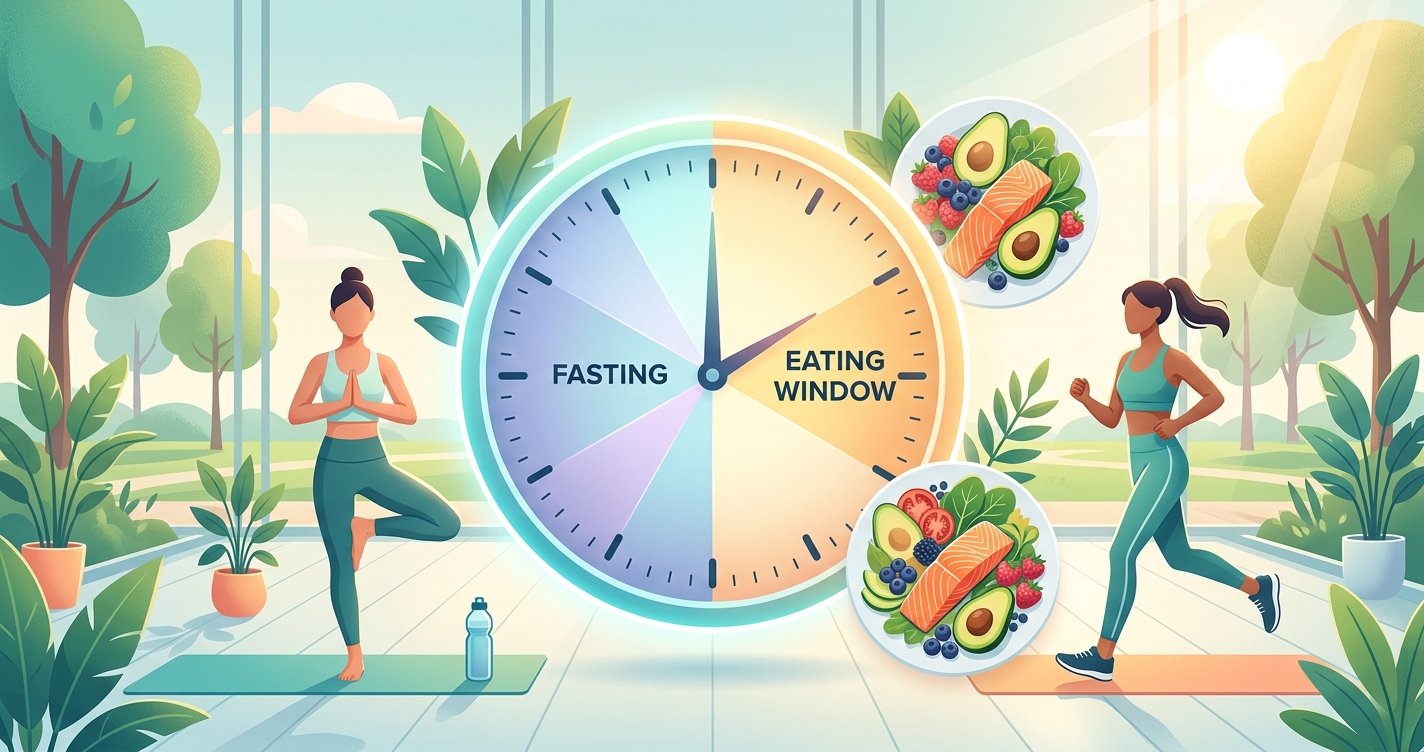
Intermittent Fasting for Sustainable Fat Loss: Your Friendly, Evidence-Based Guide
Feeling stuck on your fat loss journey? You're not alone! Many people struggle to find a sustainable approach that fits their lifestyle and delivers real results. If you've been hearing buzz about intermittent fasting (IF) and wondering if it's the right path for you, you've come to the right place. This guide will demystify intermittent fasting, explain how it supports fat loss, and provide practical, evidence-based tips to help you get started successfully.
Forget restrictive diets that leave you feeling deprived and defeated. Intermittent fasting isn't about what you eat, but when you eat. It's a pattern of eating that cycles between periods of eating and voluntary fasting, and it's gaining popularity not just for its fat loss benefits, but also for its potential health advantages. this excellent wellness product
What Exactly Is Intermittent Fasting (IF)?
At its core, intermittent fasting is an eating pattern, not a diet. It doesn't dictate specific foods you should eat, but rather focuses on scheduling your meals. The idea is to give your body a break from constant digestion, allowing it to tap into stored fat for energy. While there are several methods, they all share the common principle of extended periods without calorie intake.
Common Intermittent Fasting Methods:
- The 16/8 Method (Leangains Protocol): This is perhaps the most popular and easiest to start with. You fast for 16 hours each day and restrict your eating to an 8-hour window. For example, if you finish dinner at 8 PM, you wouldn't eat again until 12 PM the next day, effectively skipping breakfast.
- The 5:2 Method (The Fast Diet): With this approach, you eat normally for five days of the week and restrict your calorie intake to 500-600 calories on two non-consecutive days.
- Eat-Stop-Eat: This involves one or two 24-hour fasts per week. For instance, you might finish dinner on Monday at 6 PM and not eat again until dinner on Tuesday at 6 PM.
- The Warrior Diet: This method involves fasting for 20 hours a day and eating one large meal within a 4-hour window, typically in the evening.
The beauty of IF is its flexibility. You can choose the method that best fits your lifestyle and gradually adjust as you become more comfortable.
How Does Intermittent Fasting Help You Lose Fat?
Intermittent fasting isn't magic, but it leverages several physiological mechanisms to promote fat loss. It's more than just a fancy way to cut calories; it actually optimizes your body's hormonal environment.
Key Mechanisms for Fat Loss:
- Insulin Sensitivity: When you eat, your body releases insulin to manage blood sugar. High insulin levels signal your body to store fat. During fasting periods, insulin levels drop significantly, allowing your body to more easily access and burn stored fat. Regular fasting can also improve your body's sensitivity to insulin, making it more efficient at managing blood sugar.
- Hormonal Optimization: Beyond insulin, IF can positively influence other fat-burning hormones. It can boost levels of human growth hormone (HGH), which aids in fat loss and muscle preservation. It also increases norepinephrine (noradrenaline), a hormone that signals fat cells to release fatty acids for energy.
- Calorie Deficit Creation: For many, simply compressing their eating window naturally leads to consuming fewer calories overall, even without consciously counting them. Skipping a meal or two often means a net reduction in daily caloric intake, which is fundamental for fat loss.
- Metabolic Flexibility: Regular fasting encourages your body to become more adept at switching between burning glucose (sugar) and burning fat for fuel. This 'metabolic flexibility' is crucial for efficient fat loss and sustained energy.
By shifting your body into a fat-burning state and creating a sustainable calorie deficit, IF provides a powerful tool for achieving your fat loss goals.
Getting Started: Choosing Your IF Method and Practical Tips
Ready to give it a try? Here's how to choose a method and set yourself up for success:
1. Pick a Starting Method:
- For Beginners: The 16/8 method is highly recommended. It's easy to integrate into most schedules and the fasting window often includes your sleep time, making it feel less daunting. Try skipping breakfast and having your first meal at noon, or finish dinner earlier and skip a late-night snack.
- Consider Your Lifestyle: If you have social commitments, a job with irregular hours, or specific training schedules, think about which method would be least disruptive.
2. Hydration is Key:
During your fasting window, it's crucial to stay hydrated. Drink plenty of water. Black coffee, plain tea, and sparkling water are also generally allowed and can help curb hunger.
3. Focus on Nutrient-Dense Foods:
When it's time to eat, make your meals count! Prioritize whole, unprocessed foods like lean proteins, healthy fats, fiber-rich vegetables, and complex carbohydrates. Eating nutritious meals will keep you full, provide essential nutrients, and support your fat loss efforts.
4. Listen to Your Body:
Initial hunger pangs are normal as your body adjusts. However, if you feel unwell, dizzy, or excessively weak, break your fast. IF should enhance your well-being, not diminish it. Adjust your fasting window or method as needed.
5. Be Patient and Consistent:
Fat loss is a journey, not a sprint. Consistency is more important than perfection. Don't get discouraged by occasional slip-ups. Stick with it for a few weeks to allow your body to adapt and to see results.
6. Combine with Exercise:
While IF can help with fat loss on its own, combining it with regular exercise, especially strength training, will amplify your results. Exercise helps preserve muscle mass while you lose fat, leading to a more toned physique and a healthier metabolism.
Who Should Be Cautious or Avoid Intermittent Fasting?
While IF offers many benefits, it's not for everyone. Always consult with a healthcare professional before starting any new eating regimen, especially if you have underlying health conditions.
- Pregnant or Breastfeeding Women: Nutritional needs are significantly higher during these periods.
- Individuals with a History of Eating Disorders: IF can potentially trigger or exacerbate disordered eating patterns.
- People with Diabetes or Blood Sugar Regulation Issues: Fasting can impact blood sugar levels, requiring careful medical supervision.
- Individuals on Certain Medications: Some medications need to be taken with food, or their efficacy might be affected by fasting.
- Children and Teenagers: Their bodies are still growing and have different nutritional requirements.
Beyond Fat Loss: Other Potential Benefits
Many people who practice intermittent fasting report a range of other positive effects, which can contribute to overall well-being and make the journey more sustainable:
- Improved Mental Clarity and Focus: Some find they experience less brain fog and more sustained energy.
- Reduced Inflammation: Fasting periods may help lower markers of inflammation in the body.
- Cellular Repair (Autophagy): During fasting, your body initiates cellular repair processes, including 'autophagy,' where cells remove waste materials and regenerate.
- Simplicity: Fewer meals to plan and prepare can simplify your daily routine.
Embrace a Sustainable Approach
Intermittent fasting can be a highly effective and sustainable strategy for fat loss, offering not just a path to a leaner body, but also potential improvements in metabolic health and overall well-being. By understanding how it works, choosing a method that fits your life, and focusing on nutrient-dense foods during your eating windows, you can harness its power.
Remember, this is your journey. Start small, be kind to yourself, and celebrate every step forward. With consistency and a friendly, evidence-based approach, you can achieve sustainable fat loss and feel fantastic!