The Secret to Lasting Fat Loss: Mastering the Sustainable Calorie Deficit
Are you tired of the endless cycle of fad diets, quick fixes, and the frustration of seeing the scale bounce back up? You're not alone. Many people embark on a fat loss journey with enthusiasm, only to be met with unsustainable methods that lead to burnout and disappointment. The truth is, while countless strategies promise rapid results, the fundamental principle for truly lasting fat loss remains consistent: a calorie deficit. But here's the crucial twist – it has to be sustainable.
Forget deprivation and extreme restrictions. This isn't about suffering; it's about smart, evidence-based choices that empower you to reach your goals and maintain them long-term. In this guide, we're going to demystify the calorie deficit, help you understand how to implement it effectively, and equip you with the knowledge to make it a sustainable part of your lifestyle. Get ready to transform your approach to fat loss and finally achieve the lasting results you deserve! this excellent wellness product
What Exactly is a Calorie Deficit? The Science Simplified
At its core, a calorie deficit is simple math: you consume fewer calories than your body burns. Think of your body as an engine. It needs fuel (calories from food) to perform all its functions, from breathing and thinking to exercising and digesting. When you provide less fuel than your engine needs, your body taps into its stored energy reserves – primarily body fat – to make up the difference. This is the magic behind fat loss.
Your body is constantly burning calories, even when you're at rest. This is your Basal Metabolic Rate (BMR). Add in the calories you burn through daily activities, exercise, and even digesting food, and you get your Total Daily Energy Expenditure (TDEE). To create a deficit, your caloric intake needs to be consistently below your TDEE. It's not about starving yourself; it's about providing just enough energy to function well while encouraging your body to use its fat stores.
Why "Sustainable" Matters More Than Anything
You might be thinking, "If I just eat really, really little, I'll lose fat super fast!" While technically true in the very short term, an overly aggressive calorie deficit is a recipe for disaster. It can lead to:
- Severe fatigue and irritability: Making everyday tasks feel like a monumental effort.
- Nutrient deficiencies: Depriving your body of essential vitamins and minerals.
- Muscle loss: Your body might break down muscle for energy, slowing your metabolism.
- Metabolic adaptation: Your metabolism can slow down to conserve energy, making further fat loss harder.
- Rebound weight gain: Extreme diets are hard to maintain, often leading to overeating and gaining back lost weight (and sometimes more!).
A sustainable deficit is one that allows for steady, consistent fat loss (typically 0.5-1 pound per week) without compromising your energy levels, mood, or overall health. It's the difference between a quick crash diet and a lifelong journey toward a healthier you.
Calculating Your Personalized Calorie Needs (No Guesswork!)
To create a sustainable calorie deficit, you first need to know your starting point. This involves estimating your Total Daily Energy Expenditure (TDEE). While perfect accuracy is difficult, good estimates are absolutely achievable.
Understanding Your Basal Metabolic Rate (BMR) and Total Daily Energy Expenditure (TDEE)
Your Basal Metabolic Rate (BMR) is the number of calories your body needs to perform basic, life-sustaining functions when at rest (breathing, circulation, cell production, etc.). Your Total Daily Energy Expenditure (TDEE) is your BMR plus the calories you burn through physical activity, exercise, and the thermic effect of food (digestion).
You can estimate your BMR using formulas like the Mifflin-St Jeor equation or Harris-Benedict equation, but the easiest way is to use a reliable online TDEE calculator. These calculators will ask for your age, gender, height, weight, and activity level. Be honest about your activity level – most people overestimate!
Finding Your "Sweet Spot" Deficit
Once you have an estimate for your TDEE, you can create your calorie deficit. For sustainable fat loss, a good starting point is to aim for a 300-500 calorie deficit below your TDEE. This typically results in a healthy and sustainable fat loss of about 0.5 to 1 pound per week, which is backed by evidence as being more likely to lead to long-term success.
For example, if your TDEE is 2500 calories, aiming for 2000-2200 calories per day would put you in a sustainable deficit. Remember, these are estimates. Listen to your body, track your progress (weight, measurements, how your clothes fit), and adjust your intake as needed. If you're losing weight too quickly and feeling exhausted, slightly increase your calories. If progress is stalled, you might gently reduce them further, or increase your activity.
Fueling Your Body Smartly: Quality Over Strict Restriction
Creating a calorie deficit isn't just about eating less; it's about eating smarter. The types of foods you choose play a huge role in your satiety, energy levels, and overall health during your fat loss journey.
The Power of Protein
Protein is your best friend when it comes to fat loss. Here's why:
- Satiety: Protein is incredibly filling, helping you feel fuller for longer and reducing cravings.
- Muscle Preservation: Adequate protein intake helps preserve lean muscle mass, which is crucial for maintaining a healthy metabolism.
- Higher Thermic Effect: Your body burns more calories digesting protein compared to fats or carbohydrates.
Aim to include a lean protein source at every meal. Think chicken breast, fish, lean beef, eggs, Greek yogurt, cottage cheese, tofu, or legumes.
Embrace Fiber-Rich Carbs and Healthy Fats
Don't be afraid of carbohydrates and fats! The key is choosing the right kinds:
- Fiber-Rich Carbohydrates: Found in fruits, vegetables, and whole grains, fiber adds bulk to your meals, promoting fullness and aiding digestion. These complex carbs provide sustained energy without the blood sugar spikes and crashes associated with refined sugars.
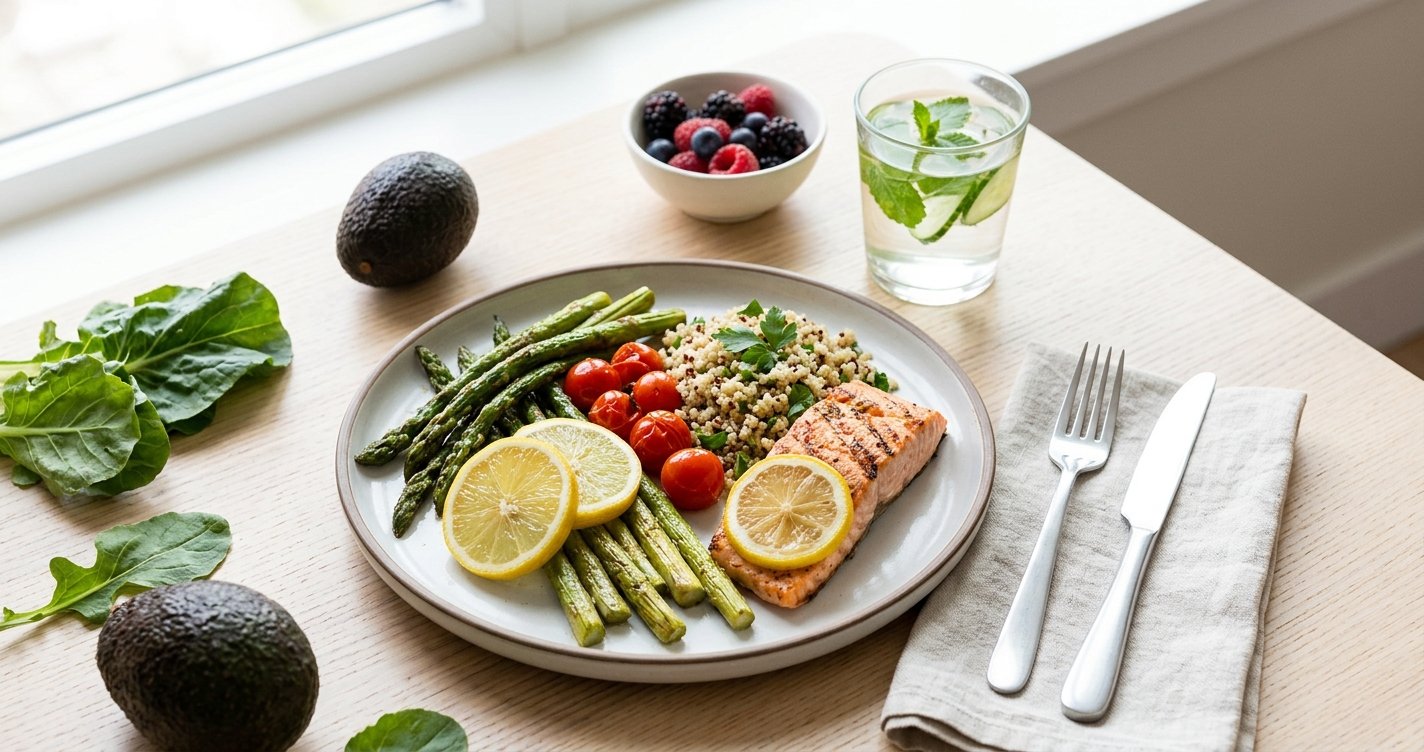
- Healthy Fats: Essential for hormone production, nutrient absorption, and overall health. They also contribute to satiety. Incorporate sources like avocados, nuts, seeds, olive oil, and fatty fish (like salmon) in moderation.
Mindful Eating and Portion Control
Even healthy foods contribute calories. Practicing mindful eating – paying attention to your hunger and fullness cues – can be transformative. Slow down, savor your food, and put your fork down between bites. Initially, it can be helpful to measure portions to understand what appropriate serving sizes look like, especially for calorie-dense foods.
Beyond Food: Lifestyle Pillars for Enhanced Fat Loss
While nutrition is paramount, your lifestyle choices outside of eating have a significant impact on your body's ability to lose fat and sustain that loss.
Sleep: Your Unsung Fat Loss Hero
Poor sleep can derail even the best nutrition plan. Lack of sleep disrupts hunger-regulating hormones: ghrelin (which makes you feel hungry) increases, and leptin (which signals fullness) decreases. This leads to increased cravings, especially for high-calorie foods, and makes it harder to stick to your deficit. Aim for 7-9 hours of quality sleep per night.
Stress Management: Taming Cortisol
Chronic stress elevates cortisol levels. While cortisol is necessary for survival, consistently high levels can promote fat storage, particularly around the abdominal area. Find healthy ways to manage stress: meditation, yoga, spending time in nature, hobbies, or connecting with loved ones. Prioritizing mental well-being is just as important as physical health.
Hydration: Simple Yet Powerful
Drinking enough water is a simple habit with big fat loss benefits. Water can help you feel fuller, potentially reducing overall calorie intake. It's also crucial for metabolic processes and energy production. Sometimes, what feels like hunger is actually just thirst, so try drinking a glass of water before reaching for a snack.
Movement: More Than Just "Burning Calories"
While diet is king for fat loss, physical activity plays a vital supporting role:
- Strength Training: Builds and preserves muscle mass, which is metabolically active (burns more calories at rest). It also shapes your body and improves strength.
- NEAT (Non-Exercise Activity Thermogenesis): This includes all the calories you burn from everyday movements that aren't formal exercise – walking, standing, fidgeting, taking the stairs. Increasing your NEAT can significantly boost your daily calorie expenditure.
- Cardio: Excellent for cardiovascular health and can contribute to your calorie deficit. Find an activity you enjoy, whether it's brisk walking, jogging, cycling, or dancing.
Navigating the Journey: Common Pitfalls and Solutions
Even with the best intentions, the fat loss journey can present challenges. Knowing these common pitfalls can help you prepare and overcome them.
The "Too Aggressive" Deficit Trap
As discussed, trying to lose weight too fast by creating a massive calorie deficit is often counterproductive. It leads to extreme hunger, fatigue, nutrient deficiencies, and often results in giving up and regaining the weight. Solution: Be patient. Aim for a moderate deficit (300-500 calories below TDEE) and focus on consistency over speed. Slow and steady wins the race for lasting results.
Plateaus: They're Normal!
At some point, your weight loss will likely slow down or temporarily stop. This is a plateau, and it's completely normal. As you lose weight, your body requires fewer calories to maintain itself, meaning your TDEE decreases. Solutions:
- Re-evaluate your calorie intake: Your initial TDEE calculation might no longer be accurate. Recalculate and adjust.
- Increase activity: Add more steps, longer workouts, or try a new form of exercise.
- "Diet Breaks": Occasionally, a short period (1-2 weeks) at maintenance calories can help alleviate metabolic adaptation and give you a mental break.
Emotional Eating and Mindset Challenges
Food is often tied to emotions, comfort, and celebration. Stress, boredom, or sadness can trigger emotional eating, making it difficult to stick to your calorie goals. Solutions:
- Identify Triggers: Keep a journal to pinpoint when and why you're eating emotionally.
- Develop Coping Mechanisms: Find non-food ways to deal with emotions – a walk, calling a friend, meditation, reading, a warm bath.
- Practice Self-Compassion: Don't beat yourself up for slip-ups. Acknowledge them, learn from them, and get back on track.
The Mindset Shift: Patience, Consistency, and Self-Compassion
True fat loss isn't just about physical changes; it's a mental game. Cultivating the right mindset is arguably the most critical ingredient for long-term success.
It's a Marathon, Not a Sprint
Sustainable fat loss takes time. Embrace the journey, focusing on building healthy habits rather than chasing arbitrary numbers on the scale. Celebrate non-scale victories – increased energy, better sleep, clothes fitting better, improved strength, and a more positive outlook. These are true indicators of progress!
Be Kind to Yourself
There will be days when you don't hit your calorie target perfectly, or you miss a workout. That's okay. Perfection is the enemy of progress. Instead of dwelling on a misstep, acknowledge it, learn from it, and gently guide yourself back on track. Self-compassion is a powerful tool for resilience.
Seek Support
You don't have to do this alone. Share your goals with supportive friends or family. Consider working with a coach or nutritionist who can provide personalized guidance and accountability. A strong support system can make all the difference.
Your Sustainable Fat Loss Journey Starts Now
Mastering the sustainable calorie deficit is the most powerful tool you have for lasting fat loss. It’s not a secret diet; it’s a scientific principle applied with mindfulness and patience. By understanding your body's needs, fueling it with nutritious foods, prioritizing sleep and stress management, and embracing consistent movement, you’re building a foundation for health that extends far beyond just losing weight.
Remember, this is about creating a lifestyle you can maintain and enjoy, not a temporary restriction. Start small, make gradual changes, listen to your body, and be kind to yourself every step of the way. You have the power to transform your health and achieve the lasting results you've always wanted. Let's do this!