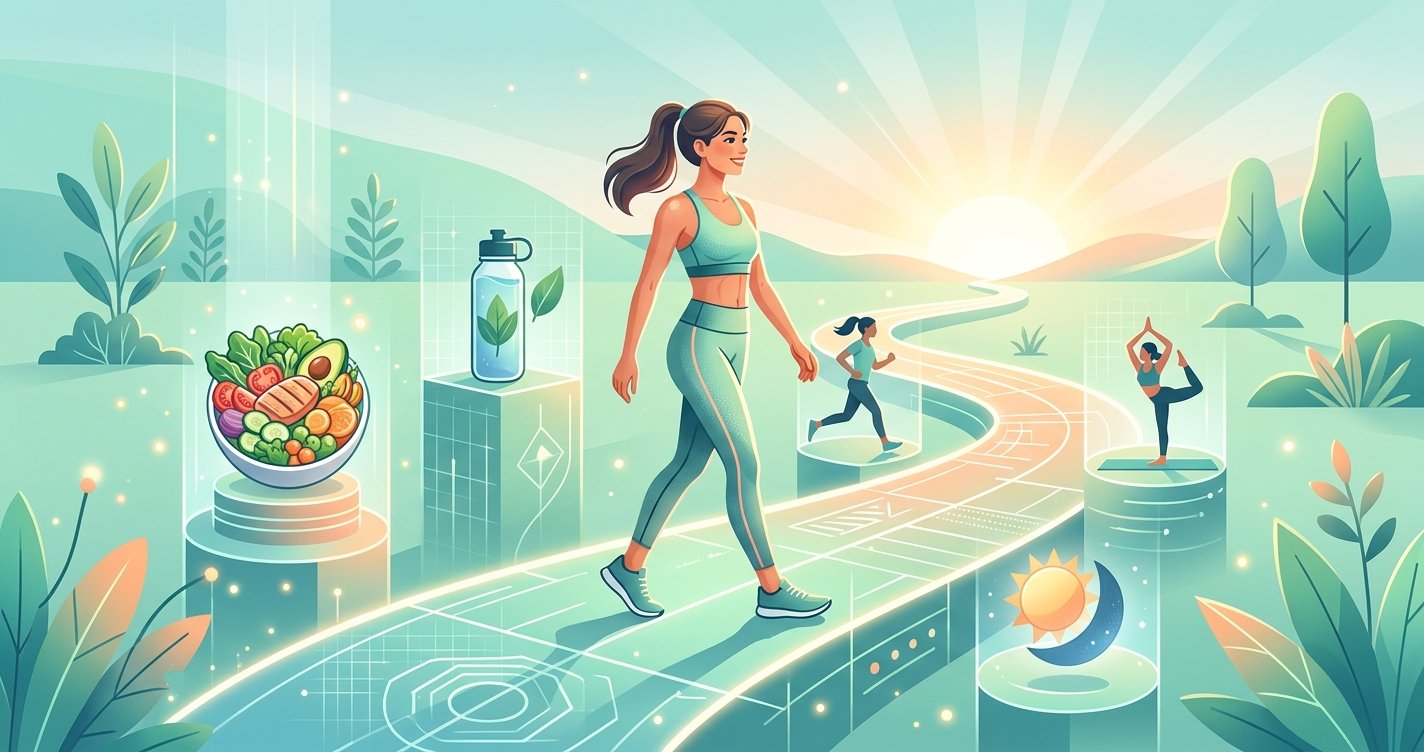
Unlock Lasting Fat Loss: Your Blueprint for a Sustainable Calorie Deficit
Are you tired of diet fads that promise quick results but leave you feeling deprived, frustrated, and right back where you started? You’re not alone. The world of fat loss is often clouded with misinformation and unrealistic expectations. But what if there was a simpler, more sustainable path to achieving your body composition goals?
The good news is, there is! It’s rooted in science, empowers you with knowledge, and focuses on long-term health rather than fleeting fixes. This comprehensive guide will walk you through the evidence-based principles of a sustainable calorie deficit, showing you how to shed fat effectively, preserve muscle, and build habits that last a lifetime. Get ready to transform your approach to fat loss, once and for all! this excellent wellness product
The Core Principle: Understanding the Calorie Deficit
What Exactly is a Calorie Deficit?
At its heart, fat loss boils down to one undeniable scientific truth: you must consume fewer calories than your body expends. This fundamental concept is known as a “calorie deficit.” Think of your body as a bank account; if you consistently withdraw more money than you deposit, your balance will decrease. Similarly, if you consistently burn more energy (calories) than you consume, your body will tap into its stored energy reserves – primarily body fat – for fuel.
This isn't about starvation or extreme deprivation. It's about creating a manageable energy gap that signals your body to use its fat stores. Without a calorie deficit, no amount of exercise, special foods, or supplements will lead to significant fat loss.
Why "Sustainable" is the Magic Word
While any calorie deficit will technically lead to weight loss, a sustainable deficit is the key to losing fat without sacrificing your health, sanity, or long-term results. An overly aggressive deficit might lead to rapid initial weight loss, but it often comes with severe drawbacks:
- Muscle Loss: Your body might catabolize precious muscle tissue for energy, which slows your metabolism.
- Nutrient Deficiencies: Restricting too much can lead to inadequate intake of essential vitamins and minerals.
- Metabolic Adaptation: Your metabolism might slow down significantly in response to severe restriction, making continued fat loss harder.
- Rebound Weight Gain: Extreme diets are nearly impossible to maintain, often leading to binge eating and regaining lost weight (and sometimes more).
- Poor Energy & Mood: You'll likely feel tired, irritable, and constantly hungry, making adherence impossible.
A sustainable deficit is typically modest (e.g., 300-500 calories below maintenance) and allows you to continue enjoying life, feel energized, and maintain your metabolism, making fat loss a gradual, enjoyable, and lasting process.
Beyond Calories: The Power of Macronutrients for Fat Loss
While calories are king for fat loss, what those calories are made of – your macronutrients – plays a crucial role in how you feel, how much muscle you retain, and how successful you are.
Protein: Your Best Friend in a Calorie Deficit
If there's one macronutrient to prioritize during fat loss, it's protein. Here's why:
- Satiety: Protein is the most filling macronutrient, helping you feel fuller for longer and reducing cravings.
- Muscle Preservation: Adequate protein intake is vital for preserving muscle mass during a calorie deficit. More muscle means a higher resting metabolism, even at rest!
- Thermic Effect of Food (TEF): Protein requires more energy to digest and metabolize than carbs or fats, meaning you burn more calories just by eating it.
Aim for a higher protein intake, generally 1.6-2.2 grams per kilogram of body weight. Excellent sources include lean meats, poultry, fish, eggs, dairy (Greek yogurt, cottage cheese), legumes, and protein powders.
Carbohydrates: Fueling Your Workouts and Mood
Carbohydrates have been unfairly demonized, but they are not the enemy! They are your body's primary source of energy, especially important for fueling workouts and maintaining mood. The key is choosing the right types:
- Complex Carbs: Prioritize whole grains (oats, quinoa, brown rice), fruits, and vegetables. These are rich in fiber, which aids digestion, promotes fullness, and provides sustained energy.
- Timing: Consuming carbs around your workouts can optimize performance and recovery.
Don't cut carbs drastically. Instead, focus on quality and adjust quantities based on your activity level and individual needs.
Fats: Essential for Health and Hormones
Dietary fats are crucial for hormone production, nutrient absorption (especially fat-soluble vitamins A, D, E, K), and overall health. They also contribute to satiety.
- Healthy Sources: Include sources like avocados, nuts, seeds, olive oil, and fatty fish (salmon, mackerel).
- Calorie Density: While essential, fats are calorie-dense, so portion control is important. A little goes a long way.
Aim for 20-30% of your total daily calories from healthy fats.
Integrating Movement: Exercise as a Fat Loss Accelerator
While nutrition creates the deficit, exercise acts as a powerful accelerator, improving body composition and overall health.
Strength Training: Build Muscle, Boost Metabolism
If you're not lifting weights, you're missing out on a huge fat loss advantage. Strength training is critical because it:
- Preserves Muscle: Helps maintain or even build muscle mass during a calorie deficit, which is crucial for a healthy metabolism.
- Boosts Metabolism: Muscle tissue is metabolically active, meaning it burns more calories at rest than fat tissue.
- Shapes Your Body: Improves muscle tone and overall body composition, giving you a leaner, more sculpted look.
Aim for 2-4 strength training sessions per week, focusing on compound movements that work multiple muscle groups.
Cardio: The Calorie Burner and Heart Helper
Cardiovascular exercise directly burns calories and offers immense benefits for heart health, endurance, and mood.
- Direct Calorie Burn: An effective way to increase your daily calorie expenditure, contributing to your deficit.
- Heart Health: Improves cardiovascular fitness, reducing the risk of chronic diseases.
- Stress Relief: Many find cardio a great way to de-stress and boost mood.
Whether you prefer high-intensity interval training (HIIT) or steady-state cardio (LISS) like walking or jogging, find what you enjoy and aim for 3-5 sessions per week.
NEAT: The Unsung Hero of Daily Calorie Burn
Non-Exercise Activity Thermogenesis (NEAT) refers to the calories you burn from all activities that aren't formal exercise, eating, or sleeping. This includes walking, fidgeting, taking the stairs, cleaning, and gardening. Small increases in NEAT throughout your day can add up significantly over time, boosting your overall calorie expenditure without feeling like a workout.
- Take the stairs instead of the elevator.
- Park further away.
- Walk during phone calls.
- Stand more, sit less.
Practical Strategies for Implementing Your Sustainable Plan
Knowledge is power, but application is key. Here are practical steps to put your sustainable fat loss plan into action:
Tracking Your Intake (Initially)
For a short period (2-4 weeks), tracking your food intake using an app like MyFitnessPal or Cronometer can be incredibly insightful. It helps you:
- Understand Portions: Learn what a true serving size looks like.
- Identify Calorie Traps: Discover hidden calories in sauces, drinks, and snacks.
- Ensure Nutrient Targets: Verify you're hitting your protein, carb, and fat goals.
This isn't meant to be a lifelong habit, but a powerful educational tool to build awareness and intuitive eating skills.
Prioritizing Whole, Unprocessed Foods
Focus on nutrient-dense, whole foods. These are generally more filling, provide sustained energy, and are packed with vitamins and minerals. Think fruits, vegetables, lean proteins, whole grains, and healthy fats. Minimizing ultra-processed foods, sugary drinks, and excessive fried items will naturally reduce your calorie intake and improve your overall health.
Meal Planning & Preparation
"Failing to plan is planning to fail," especially in fat loss. Dedicate some time each week to plan your meals and snacks. This could involve:
- Grocery shopping with a list.
- Batch cooking staples like grilled chicken or roasted vegetables.
- Prepping healthy snacks.
Having healthy options readily available reduces the likelihood of impulsive, unhealthy food choices when hunger strikes.
Hydration: Often Overlooked, Always Important
Drinking enough water is fundamental. It can help with:
- Satiety: Sometimes thirst is mistaken for hunger.
- Metabolism: Water is essential for countless bodily functions, including metabolism.
- Performance: Staying hydrated improves energy levels and exercise performance.
Aim for at least 2-3 liters of water per day, and more if you're active or in a hot climate.
Navigating Challenges and Staying Motivated
The journey to lasting fat loss isn't always linear. There will be plateaus, slip-ups, and moments of doubt. How you navigate these challenges determines your long-term success.
Dealing with Plateaus
It's normal for fat loss to slow down or stall. When this happens, don't panic. Re-evaluate your plan:
- Reassess Intake: Are you accurately tracking? Have your maintenance calories decreased with weight loss?
- Increase Activity: Can you add more NEAT or an extra workout session?
- Consider a "Diet Break": Sometimes, a week or two at maintenance calories can help reset hormones and reduce diet fatigue, making it easier to re-enter a deficit.
The Role of Sleep and Stress Management
These two factors are often underestimated but profoundly impact fat loss. Poor sleep and chronic stress can:
- Increase Hunger Hormones: Disrupt ghrelin (hunger) and leptin (satiety), making you crave unhealthy foods.
- Elevate Cortisol: The stress hormone cortisol can promote fat storage, especially around the midsection.
- Reduce Energy: Making it harder to stick to your diet and exercise plan.
Prioritize 7-9 hours of quality sleep and incorporate stress-reduction techniques like meditation, yoga, or spending time in nature.
Patience and Consistency: Your Ultimate Tools
Sustainable fat loss is a marathon, not a sprint. There are no quick fixes that truly last. Embrace the process, focus on consistency over perfection, and celebrate non-scale victories like increased energy, better sleep, stronger lifts, and improved mood.
Your Path to Lasting Fat Loss Starts Now
You now have the blueprint for achieving lasting fat loss through a sustainable calorie deficit. Remember, it's about smart choices, not severe restrictions. Prioritize protein, enjoy nutrient-dense carbs and healthy fats, integrate strength training and enjoyable cardio, and harness the power of NEAT. Combine this with patience, consistency, and a focus on overall well-being, and you'll not only reach your fat loss goals but also build a healthier, happier life.
Start small, stay consistent, and trust the process. Your sustainable transformation awaits!