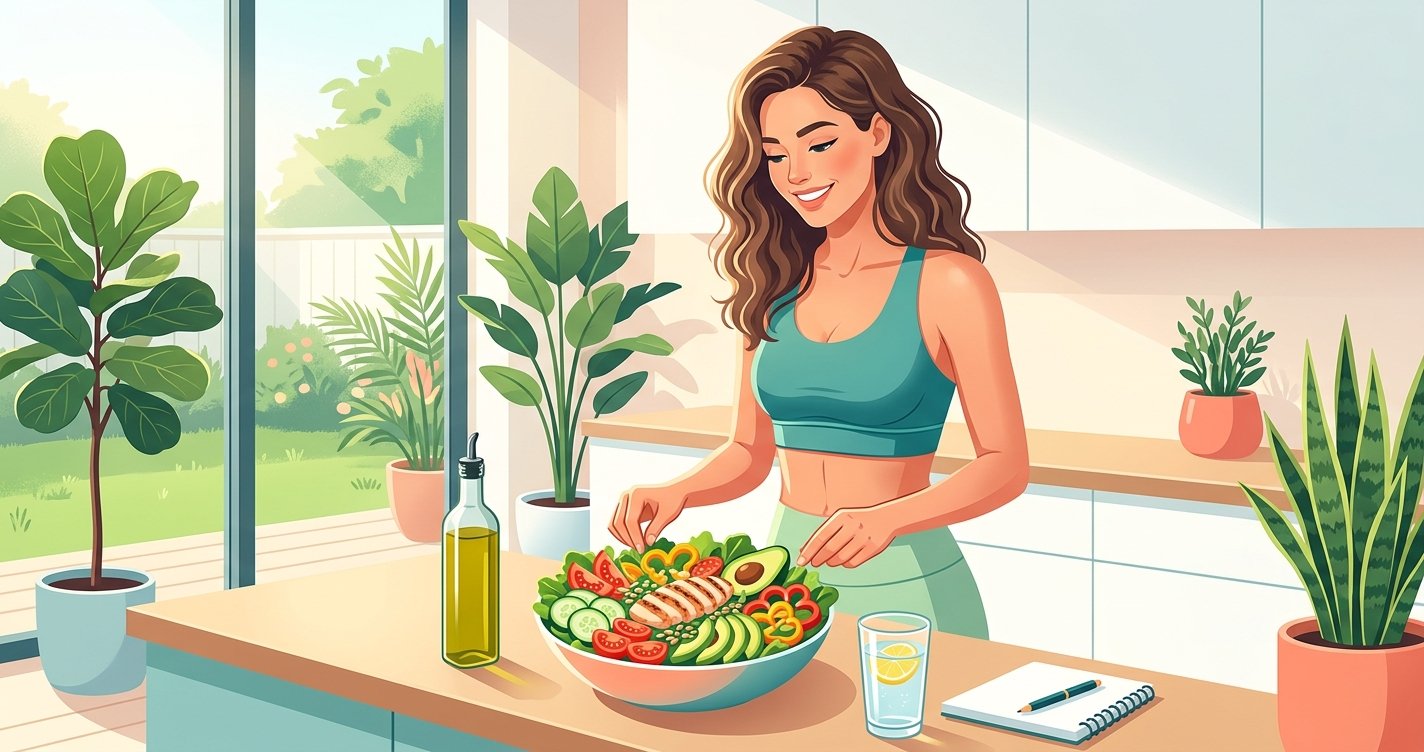
Unlock Lasting Fat Loss: Your Friendly Guide to a Sustainable Calorie Deficit
Are you tired of the endless cycle of restrictive diets, quick fixes, and the frustration of seeing the scale yo-yo? You're not alone. Many people embark on a fat loss journey hoping for rapid results, only to find themselves burnt out, hungry, and no closer to their goals. The truth is, sustainable fat loss isn't about deprivation or extreme measures; it's about understanding your body's energy balance and making smart, consistent choices.
This guide will demystify the most fundamental principle of fat loss: the calorie deficit. We'll explore how to create one intelligently, fuel your body properly, and build habits that lead to lasting success, all backed by evidence and delivered with an encouraging, friendly tone. Get ready to ditch the fads and embrace a sustainable path to a healthier, happier you! this excellent wellness product
What Exactly is a Calorie Deficit, Anyway?
At its core, a calorie deficit simply means consuming fewer calories than your body expends. Think of your body as a car and calories as fuel. If you put less fuel in than the car uses to drive, it will eventually have to tap into its reserves. For your body, those reserves are stored fat.
Every day, your body burns calories just to stay alive (your Basal Metabolic Rate or BMR), plus additional calories through daily activities, exercise, and even digesting food (the Thermic Effect of Food or TEF). The sum of all these is your Total Daily Energy Expenditure (TDEE). To lose fat, you need to consistently eat less than your TDEE. This forces your body to use stored fat for energy, leading to fat loss.
It sounds simple, and in theory, it is! The challenge lies in creating a deficit that's significant enough to produce results but not so drastic that it's unsustainable, unhealthy, or leaves you feeling constantly deprived.
Calculating Your Personalized Calorie Target for Fat Loss
Before you can create a deficit, you need to estimate your TDEE. While exact measurements require lab tests, you can get a very good estimate using online calculators. These typically take into account your age, sex, height, weight, and activity level.
Steps to estimate your TDEE and set your target:
- Calculate your BMR: This is the number of calories your body burns at rest. Common formulas include the Mifflin-St Jeor equation.
- Factor in your activity level: Multiply your BMR by an activity factor (e.g., sedentary, lightly active, moderately active, very active). This gives you your TDEE.
- Create a moderate deficit: For sustainable fat loss, aim for a deficit of 300-500 calories below your TDEE. This typically results in a healthy fat loss of 0.5 to 1 pound per week. A pound of fat is roughly 3,500 calories, so a 500-calorie daily deficit equals 3,500 calories per week.
Example: If your TDEE is estimated at 2,500 calories, aiming for 2,000-2,200 calories per day would create a healthy and sustainable deficit. Remember, these are estimates, and you'll need to listen to your body and adjust as you go.
Smart Food Choices: Fueling Your Deficit Wisely
A calorie deficit doesn't mean eating tiny portions of bland food. It's about making smart, nutrient-dense choices that keep you feeling full, energized, and satisfied. The quality of your calories matters just as much, if not more, than the quantity.
Focus on these pillars:
- Protein Power: Protein is king for fat loss. It's highly satiating, meaning it keeps you feeling fuller for longer, and it helps preserve muscle mass during a calorie deficit. Good sources include lean meats, poultry, fish, eggs, dairy, legumes, and tofu.
- Fiber-Rich Foods: Found in fruits, vegetables, whole grains, and legumes, fiber adds bulk to your meals without adding many calories. It aids digestion and contributes significantly to satiety.
- Healthy Fats: Don't fear fats! Healthy fats (from avocados, nuts, seeds, olive oil) are crucial for hormone production, nutrient absorption, and also contribute to satiety. Just remember they are calorie-dense, so portion control is key.
- Hydration is Key: Often overlooked, drinking plenty of water can help with satiety and overall bodily functions. Sometimes, what feels like hunger is actually thirst!
Prioritize whole, unprocessed foods. They are generally more nutrient-dense and satisfying than their processed counterparts, which often contain hidden sugars and unhealthy fats that can derail your deficit.
Beyond the Plate: Lifestyle Factors That Boost Fat Loss
While nutrition is paramount for creating a calorie deficit, other lifestyle factors play a significant role in making your fat loss journey smoother and more effective.
Don't underestimate these elements:
- Quality Sleep: Lack of sleep can wreak havoc on your hormones, increasing ghrelin (the hunger hormone) and decreasing leptin (the satiety hormone). Aim for 7-9 hours of quality sleep per night to support your body's natural fat-burning processes and reduce cravings.
- Stress Management: Chronic stress elevates cortisol levels, which can promote fat storage, especially around the midsection. Find healthy ways to manage stress, whether it's through meditation, yoga, spending time in nature, or hobbies.
- Non-Exercise Activity Thermogenesis (NEAT): This refers to the calories you burn through everyday movements not related to structured exercise – walking, fidgeting, taking the stairs, cleaning. Increasing your NEAT can significantly boost your daily calorie expenditure without feeling like a workout.
Incorporating these habits will not only support your fat loss goals but also improve your overall health and well-being.
The Role of Exercise: More Than Just Burning Calories
While you can create a calorie deficit through diet alone, incorporating exercise offers a multitude of benefits that accelerate fat loss and improve body composition.
Why exercise matters:
- Muscle Preservation & Growth: Strength training is crucial during a calorie deficit. It helps preserve precious muscle mass, which is metabolically active and helps maintain a higher metabolism. More muscle means your body burns more calories even at rest.
- Calorie Expenditure: Cardio exercises like running, swimming, or cycling directly burn calories, helping to widen your deficit. High-intensity interval training (HIIT) can be particularly effective for burning calories in a shorter amount of time and boosting post-exercise calorie burn.
- Improved Health Markers: Regular physical activity improves cardiovascular health, boosts mood, enhances insulin sensitivity, and contributes to overall longevity.
Remember, you can't out-train a bad diet. Nutrition remains the primary driver of a calorie deficit, but exercise is your powerful ally in optimizing results and building a strong, healthy body.
Common Pitfalls and How to Avoid Them
Even with the best intentions, it's easy to fall into traps that hinder your progress. Being aware of these common pitfalls can help you navigate your journey more effectively.
Watch out for:
- Too Drastic a Deficit: Cutting calories too severely can lead to nutrient deficiencies, extreme hunger, muscle loss, metabolic adaptation (your body slows down), and an unsustainable approach that often ends in rebound weight gain.
- Neglecting Consistency: Fat loss is a marathon, not a sprint. Occasional slip-ups are normal, but consistent adherence to your calorie target and healthy habits is what truly drives results.
- Overtraining: Pushing yourself too hard in the gym without adequate recovery can lead to increased cortisol, fatigue, increased injury risk, and hinder progress. Listen to your body and prioritize rest.
- Emotional Eating: Using food as a coping mechanism for stress, boredom, or sadness can quickly derail a calorie deficit. Develop healthier coping strategies.
- Ignoring Progress Beyond the Scale: The scale doesn't tell the whole story. Pay attention to how your clothes fit, your energy levels, strength gains, and body measurements.
Patience and self-compassion are key. Learning from setbacks rather than giving up is a sign of true resilience.
Making it Sustainable: Mindset and Long-Term Success
The goal isn't just to lose fat, but to keep it off and maintain a healthy lifestyle for good. This requires a shift in mindset from a temporary diet to a permanent lifestyle change.
Cultivate a sustainable mindset:
- Patience is a Virtue: Fat loss takes time. Celebrate small victories, focus on progress over perfection, and don't get discouraged by plateaus, which are a normal part of the process.
- Build Habits, Not Restrictions: Focus on integrating healthy eating and activity into your daily routine in ways that feel natural and enjoyable.
- Listen to Your Body: Pay attention to hunger and fullness cues. Understand what foods make you feel good and energized.
- Flexibility is Key: Life happens! Learn to navigate social events, holidays, and dining out without completely abandoning your goals. One indulgent meal won't ruin your progress, but a week of giving up will.
- Seek Support: Whether it's a friend, family member, coach, or online community, having a support system can make a huge difference.
Your Journey to Lasting Fat Loss Starts Now!
Embracing a sustainable calorie deficit is the most effective, evidence-based path to lasting fat loss. It’s not about quick fixes or extreme measures, but about making informed choices, fueling your body with nutrient-dense foods, staying active, prioritizing sleep, and managing stress.
Remember, this is your journey, and it’s about progress, not perfection. Be kind to yourself, celebrate every step forward, and commit to building habits that will serve you for a lifetime. You have the power to transform your health and achieve the lasting results you desire. Take the first step today!