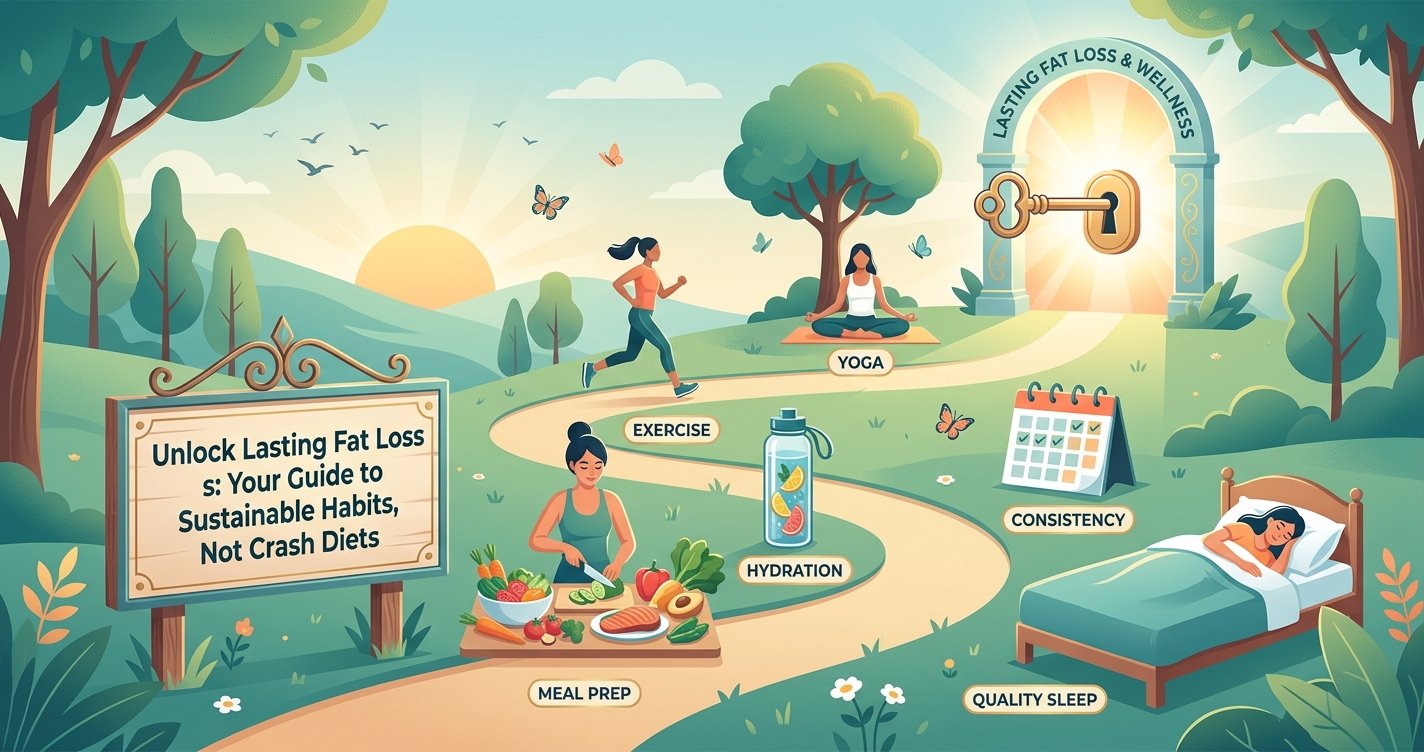
Unlock Lasting Fat Loss: Your Guide to Sustainable Habits, Not Crash Diets
Are you tired of the endless cycle of crash diets, rapid weight loss, and inevitable rebound? You're not alone. Millions embark on fat loss journeys each year, only to find themselves back where they started – or even further behind. The truth is, sustainable fat loss isn't about deprivation or quick fixes; it's about building healthy, lasting habits that support your body and mind. This comprehensive guide will help you ditch the diet mentality and embrace a lifestyle that leads to genuine, long-term success.
The Foundation: Understanding Sustainable Fat Loss
Before we dive into specific strategies, let's understand why most diets fail. They often impose extreme restrictions, create feelings of deprivation, and are simply not sustainable in the real world. Your body isn't designed for constant starvation; it's designed for survival. When you drastically cut calories, your metabolism can slow down, and your body might hold onto fat more stubbornly. this excellent wellness product
Sustainable fat loss, on the other hand, is about creating a slight, consistent caloric deficit over time, primarily by making smarter food choices and increasing activity, rather than severely restricting. It’s a marathon, not a sprint, focusing on gradual progress and celebrating small victories. The goal isn't just to lose weight, but to improve your overall health, energy levels, and relationship with food.
Why Diets Often Miss the Mark:
- Deprivation & Restriction: Leads to cravings and eventual binges.
- Metabolic Adaptation: Can slow your metabolism over time.
- Lack of Education: Doesn't teach sustainable eating patterns.
- Focus on Short-Term: Ignores the psychological and behavioral aspects of health.
Nourish, Don't Punish: Mindful Eating Habits for Fat Loss
Food is fuel, but it's also pleasure, culture, and comfort. A sustainable approach to fat loss doesn't eliminate these aspects; it integrates them mindfully. This means shifting your focus from what you can't eat to what you can eat to nourish your body.
Prioritize Whole, Nutrient-Dense Foods:
Build your meals around lean proteins, plenty of vegetables, fruits, and whole grains. These foods are rich in essential nutrients and fiber, which helps you feel full and satisfied, reducing the likelihood of overeating. Protein, in particular, is crucial for muscle preservation during fat loss and has a high satiety effect.
- Lean Proteins: Chicken breast, fish, tofu, lentils, Greek yogurt.
- Fiber-Rich Vegetables: Broccoli, spinach, bell peppers, carrots.
- Fruits: Berries, apples, bananas.
- Healthy Fats: Avocados, nuts, seeds, olive oil (in moderation).
- Complex Carbs: Oats, quinoa, brown rice, sweet potatoes.
Practice Mindful Eating:
This is a game-changer. Instead of eating on the go or while distracted, take time to savor your meals. Pay attention to your body's hunger and fullness cues. Eating slowly allows your brain to register satiety, preventing you from overeating.
- Eat slowly and chew thoroughly.
- Put your fork down between bites.
- Listen to your body's signals – stop when you're satisfied, not stuffed.
- Avoid distractions like screens while eating.
Hydration is Key:
Often overlooked, adequate water intake plays a vital role in fat loss. Sometimes, your body confuses thirst with hunger. Drinking water before meals can also help you feel fuller and reduce overall calorie intake. Aim for at least 8 glasses of water daily.
Move Your Body: Consistent Activity, Not Just Workouts
While nutrition is paramount, physical activity complements your fat loss efforts beautifully. It burns calories, builds muscle (which boosts your metabolism), improves cardiovascular health, and enhances mood. The key is to find activities you enjoy and can stick with consistently.
Embrace Strength Training:
Don't fear the weights! Strength training is incredibly effective for fat loss. It helps preserve muscle mass while you're in a caloric deficit, and muscle burns more calories at rest than fat tissue. Aim for 2-3 full-body strength sessions per week.
Incorporate Cardiovascular Exercise:
Cardio, whether it's brisk walking, jogging, cycling, or swimming, is excellent for calorie expenditure and heart health. Find an activity you genuinely enjoy to make it a sustainable habit. Aim for 150-300 minutes of moderate-intensity cardio per week.
Increase Non-Exercise Activity Thermogenesis (NEAT):
This refers to the calories you burn from everyday movements outside of structured exercise. Think walking, standing, fidgeting, taking the stairs. Small changes can add up significantly over time.
- Take the stairs instead of the elevator.
- Park further away from your destination.
- Go for a walk during your lunch break.
- Use a standing desk.
- Do household chores more vigorously.
The Unsung Heroes: Sleep and Stress Management
You can eat perfectly and exercise diligently, but if you neglect sleep and stress, your fat loss efforts will be severely hampered. These two factors profoundly impact your hormones, appetite, and energy levels.
Prioritize Quality Sleep:
Lack of sleep disrupts hormones that regulate appetite. Ghrelin, the hunger hormone, increases, while leptin, the satiety hormone, decreases. This makes you feel hungrier and less satisfied, often leading to cravings for unhealthy foods. Aim for 7-9 hours of quality sleep per night.
- Establish a consistent sleep schedule.
- Create a relaxing bedtime routine.
- Ensure your bedroom is dark, quiet, and cool.
- Limit screen time before bed.
Master Stress Management:
Chronic stress elevates cortisol levels, a hormone linked to increased appetite and fat storage, particularly around the abdominal area. Stress can also lead to emotional eating, where food becomes a coping mechanism rather than a source of nourishment.
- Practice mindfulness or meditation.
- Engage in hobbies that relax you.
- Spend time in nature.
- Connect with loved ones.
- Consider journaling to process emotions.
Building a Supportive Environment and Mindset
Your environment and your mental approach play a huge role in your success. Fat loss isn't just physical; it's deeply psychological.
Set Realistic Goals and Track Progress Beyond the Scale:
Focus on small, achievable goals rather than overwhelming transformations. Celebrate non-scale victories like increased energy, better sleep, clothes fitting differently, or improved mood. The scale is just one metric and can fluctuate daily for many reasons.
Cultivate a Positive Self-Image and Self-Compassion:
Be kind to yourself. There will be good days and challenging days. Don't let a setback derail your entire journey. Learn from it, adjust, and get back on track. Your worth isn't determined by your body fat percentage.
Seek Support and Accountability:
Share your goals with supportive friends or family. Consider working with a coach or nutritionist for personalized guidance and accountability. A strong support system can make a significant difference.
Optimize Your Environment:
Make healthy choices easier and unhealthy choices harder. Keep nutritious foods readily available and visible, and minimize tempting, processed foods in your home.
Making it Stick: Consistency Over Perfection
The journey to lasting fat loss isn't about being perfect; it's about being consistent. Small, incremental changes practiced consistently over time yield far greater results than sporadic, extreme efforts.
- Start Small: Don't overhaul everything at once. Pick one or two habits to focus on each week.
- Be Patient: Sustainable fat loss takes time. Trust the process.
- Learn to Adapt: Life happens. Learn to navigate holidays, social events, and busy periods without completely abandoning your healthy habits.
- Embrace Flexibility: A healthy lifestyle includes room for treats and indulgences in moderation. Strict adherence often leads to rebellion.
By shifting your focus from restrictive dieting to building sustainable, healthy habits, you’re not just chasing a number on the scale; you’re investing in a healthier, happier, and more energetic future. This isn't a temporary fix; it's a permanent upgrade to your life. Start today, one habit at a time, and watch as you unlock lasting fat loss and a newfound sense of well-being.